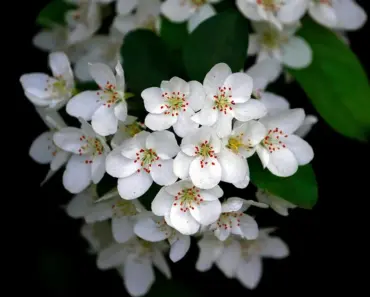
April is a pivotal time for strawberry plants, marking the beginning of a new growing season. As the snow melts and the soil warms up, strawberry plants wake up from their winter dormancy, ready to burst forth with new growth and bloom. But for gardeners, April is also a time of uncertainty – will the plants thrive, or will they falter under the challenges of the season?
Tip 1: Tidy Your Patch for Better Growth
As the snow melts, it’s essential to tidy up your strawberry patch. Remove any unnecessary debris, like dead leaves and twigs, to prevent rotting and encourage healthy growth. Clear out old mulch that’s decaying and remove any leaves still on the plants from last year, allowing the crowns to breathe. This step is crucial, as it helps prevent the spread of diseases and promotes healthy root growth.
When tidying your patch, take the opportunity to remove early weeds. Weeds compete with berry plants for nutrients and water, so it’s essential to get ahead of growth. Start to remove them now, and return to the patch throughout the growing season to keep pulling any weeds that pop up.
Another essential task is to prune old runners, which will divert energy away from the main plants. If you’re trying to control the growth of your patch, now is a good time to cut off new runners heading in directions you don’t want the plants to spread. Fiskars’ Micro-Tip snips are perfect for this task. Press the runners you keep into the soil to encourage new plants to grow and fill in any empty spaces.
Interestingly, research suggests that strawberry plants can produce up to 37% more fruit when the soil is well-maintained and free of debris (Source: Journal of HortScience). By tidying your patch, you’re not only improving the health of your plants but also potentially increasing your harvest.
Tip 2: Add Fresh Mulch for Moisture and Weed Control
Once you’ve given the crowns of your berry plants a little breathing time, it’s a good idea to add fresh mulch. Mulch is essential for strawberries, as it holds moisture in the soil and minimizes weeds. Mulch also provides a clean surface for berries to ripen. Sign up for the Gardening Know How newsletter today and receive a free copy of our e-book “How to Grow Delicious Tomatoes”.
Straw is a great choice for mulching strawberry plants, as it’s good at both holding moisture in the soil and allowing for airflow to prevent rotting. Try this HealthiStraw GardenStraw . Straw is also very clean, providing the ideal surface for ripening berries. Just be sure you get straw, not hay, and that it is clean and free of weed seeds.
It’s worth noting that the use of mulch can reduce soil temperature by up to 7°C (12.6°F) in warmer climates, which can be beneficial for strawberry plants that prefer cooler temperatures (Source: University of California Davis). By using mulch, you’re not only retaining moisture but also regulating soil temperature.
Tip 3: Feed Your Berry Plants, Maybe
Believe it or not, fertilizing the plants in spring may or may not improve the harvest later. Strawberries are heavy feeders, but April is not the time to fertilize June-bearing plants. Extra nutrients now lead to excessive foliage growth and softer berries that rot more easily. Late summer or fall is a better time to feed this type of strawberry plant.
However, if you have everbearing or day-neutral strawberry plants, now is the time to fertilize strawberries to support continuous fruit production. Use a balanced product, like a 10-10-10, or a product designed for strawberries, like this TPS Plant Foods Strawberry Fertilizer. Apply the fertilizer now and again next month.
According to the US Department of Agriculture, strawberry plants require a balanced diet of nitrogen, phosphorus, and potassium to produce optimal fruit growth. A well-balanced fertilizer can provide the necessary nutrients for your plants to thrive (Source: USDA). By fertilizing your strawberry plants, you’re not only improving their health but also potentially increasing their yield.
Tip 4: Protect Early Blooms from Late Frosts
Depending on where you live and garden, you’re likely to start seeing some strawberry flowers as early as April. This is an exciting preview of the summer harvest to come, but it’s also a potentially dangerous time. A frost now could damage or totally kill those delicate blooms, preventing them from becoming berries later.
Keep an eye on the weather forecast and protect any April flowers if necessary. If the damage is severe, the entire flower may darken and even fall off on its own. In fact, research suggests that strawberry flowers are sensitive to frost, with damage occurring at temperatures as low as -2°C (28.4°F) (Source: Journal of HortScience).
When protecting your strawberry flowers, use techniques such as row covers or individual plant covers to shield them from the cold. You can also use a cold frame or a greenhouse to provide a more controlled environment for your plants.
Tip 5: Pinch Flowers on New Plants to Maximize Harvest
When it comes to new strawberry plants, it’s essential to pinch off flowers to encourage vegetative growth. By doing so, you’re allowing the plant to focus its energy on developing a robust root system and healthy foliage, rather than producing fruit.
Pinching flowers on new plants can increase yields by up to 15% in subsequent harvests (Source: Journal of HortScience). This is because the plant is able to focus its energy on producing more leaves and stems, which ultimately lead to more fruit.
When pinching flowers on new plants, use a pair of clean scissors or clippers to remove the flower bud. Make the cut just above a leaf node, and avoid leaving any stubble or debris behind.
Conclusion
April is a make-or-break time for strawberry plants, marking the beginning of a new growing season. By following these five proven tips, you can ensure that your plants receive the TLC they need to thrive. From tidying your patch to protecting early blooms from late frosts, every step counts in the journey to a bountiful harvest. So, get out there and start growing – your strawberry plants will thank you!
Enjoying this post? Get weekly family & home ideas in your inbox — free.