Want to Put a Little Order in Your Life? Let’s Talk About Creating a Personal Planner That Actually Works
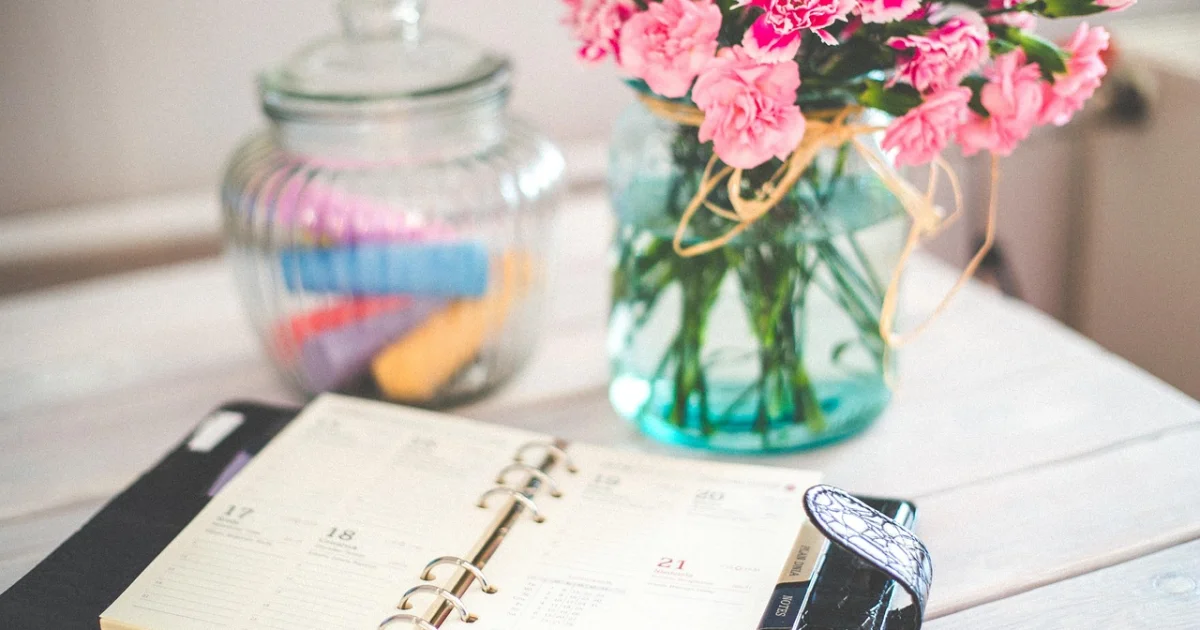
Want to put a little order in your life? You’ll save time and money as well as reach your goals sooner when you have a personalized planner to track it all in one place. A DIY planner may not look like much. It’s just paper, right? Or if it’s digital, it’s just some charts. It can hold all your goals, hopes, and dreams inside its pages and help you accomplish things you didn’t know you were capable of. I say this without exaggeration. Without a personalized planner, there’s no way I could have written four cookbooks, raised six children, homeschooled said children from birth through high school, and managed to run a home business – all on a very tight budget. I’ve mentioned before that my goal planner is my brain on paper. It’s how I organize my days for success. I take it with me everywhere and always have what I need to keep track of household, family, and personal responsibilities. This DIY planner has evolved with me over the years. At one point it housed several calendars, a contacts section, several to-do lists for different areas of life, and several pocket pages to hold extra information or greeting cards that I wanted to keep on hand. Then as digital took over my contacts and calendars, my personalized planner slimmed down, simplified, and yet, continued to be a powerful work horse to help me get things done. Now, I’ve even moved my goal planner to a PDF annotation app so that I have it wherever I go, no paper required. Digital planning is the way for me in this season. But, let’s dive into how you can create your own version of this life-changing tool – one that’s perfectly tailored to your unique needs and aspirations.
Why Use a Planner? The Unexpected Benefits of Taking Control
The idea of a planner might seem a little…old-fashioned in our digitally-saturated world. We have reminders on our phones, calendars in our email, and countless apps vying for our attention. But there’s a fundamental difference between passively receiving information and actively planning it. A personal planner isn’t just about scheduling appointments; it’s about cultivating intention. It’s about consciously directing your energy, focusing on what truly matters, and making deliberate choices. It’s an incredibly powerful tool, especially when you consider the sheer volume of daily distractions we face. Studies have shown that people who regularly use planners report feeling more in control of their lives, experiencing reduced stress levels, and achieving their goals more consistently. Specifically, research from the University of California, Irvine, found that individuals who regularly wrote down their tasks experienced a significant decrease in anxiety and an increase in productivity. It’s not magic; it’s the simple act of bringing your thoughts and actions into conscious awareness. I personally experienced this firsthand when I was juggling the demands of raising six children, homeschooling, running a business, and pursuing my passion for writing. Without a system to track everything, I was constantly overwhelmed, missed deadlines, and felt like I was failing at everything.
A Personal Planner Can Save You Time and Money – Seriously!
Let’s talk about tangible benefits. Beyond the emotional well-being aspect, a well-used personal planner is a genuine time and money saver. Think about it: how often do you forget an appointment, leading to late fees or missed opportunities? How many impulse buys do you make because you weren’t clear on your budget? A planner helps you anticipate these scenarios. For example, if you consistently forget to pay your bills on time, a planner can remind you in advance, preventing late fees and potential damage to your credit score. Similarly, if you’re prone to overspending, a budget tracker within your planner can help you stay on track. I’ve actually tracked my spending for years in my planner and have noticed a significant difference in my financial habits. It’s amazing how much money you can save simply by being aware of where your money is going. According to a 2019 study by NerdWallet, individuals who use a budget planner are 33% more likely to save money than those who don’t. That’s a substantial impact! A planner also helps you prioritize tasks, ensuring you’re focusing your energy on the activities that will yield the greatest results. It’s a surprisingly efficient use of your time.
Tips for Success: Crafting a Planner That Fits Your Life
Okay, so you’re convinced a planner is a good idea. But where do you start? The key is to ditch the pressure of creating a “perfect” planner and instead focus on building a system that’s sustainable and enjoyable for you. Here are some actionable tips to get you started:
- Determine What Your Needs Are: This is the most crucial step. What are the things that you need to keep track of on a day-to-day basis? Be honest with yourself. Do you need to track your meals, your exercise routine, your work projects, your family’s schedules, or your personal goals? Jot down a quick list so that you have a blueprint for putting together your planner. Consider your biggest time-wasters and areas where you consistently struggle to stay organized.
- Choose the Right Format: There’s no one-size-fits-all approach. Do you prefer a paper planner, a digital app, or a combination of both? Paper planners offer a tactile experience and can be less distracting than digital devices. Digital planners are convenient and offer features like reminders and syncing across devices. I personally use a combination – a physical daily planner for immediate tasks and a digital app for long-term goals and projects.
- Customize Your Pages: Don’t be afraid to get creative! Printable planners offer a huge variety of layouts and templates. You can find free printables online, or you can create your own in programs like Canva. Personalize your planner with stickers, washi tape, and colorful pens to make it visually appealing and motivating.
- Start Small: Don’t try to overhaul your entire life overnight. Start by tracking just a few key areas – perhaps your daily tasks and weekly goals. As you become more comfortable with the process, you can gradually add more elements to your planner.
- Be Realistic: Don’t overload your planner with too many commitments. It’s better to prioritize a few key tasks and focus on completing them well than to try to do everything at once.
- Review and Adjust: Your planner isn’t set in stone. Regularly review your system and make adjustments as needed. What’s working well? What’s not? What can you do to improve your workflow?
Exploring Different Planner Styles: From Minimalist to Maximalist
The beauty of DIY planner creation is that you can tailor it to your personality and preferences. Here are a few different styles to consider:
- The Minimalist Planner: This style focuses on simplicity and functionality. It typically features a clean layout with essential elements like daily to-do lists, calendars, and habit trackers. Color is kept to a minimum, and the emphasis is on clear, concise information.
- The Bullet Journal: The Bullet Journal method is a flexible and customizable system that combines a planner, a diary, and a to-do list. It uses rapid logging – a shorthand system of symbols and abbreviations – to quickly capture information.
- The Goal-Oriented Planner: This style is designed to help you achieve your long-term goals. It typically includes sections for goal setting, progress tracking, and reflection.
- The Creative Planner: This style incorporates elements of creativity and self-expression. It might include space for drawing, journaling, or collecting inspirational quotes.
- The Hybrid Planner: Many people find that a combination of different styles works best for them. For example, you might use a minimalist planner for daily scheduling and a goal-oriented planner for long-term planning.
Digital Planning vs. Paper Planning: Which is Right for You?
The debate between digital and paper planners is a perennial one. Both have their advantages and disadvantages. Paper planners offer a tactile experience and can be less distracting than digital devices. However, they can be bulky to carry around and may not sync across devices. Digital planners are convenient and offer features like reminders and syncing across devices. However, they can be distracting and may require a device to use. I personally lean towards a hybrid approach, using a digital app for long-term goals and projects and a paper planner for daily scheduling. The best choice for you will depend on your individual preferences and needs. Consider how you like to work, what tools you have available, and what will help you stay most organized and productive.
Expanding Your Planner: Adding Tracking Systems for Deeper Insights
Once you’ve established a basic planner system, you can start to add more sophisticated tracking systems to gain deeper insights into your habits and behavior. Here are a few ideas:
- Habit Tracker: Track your daily or weekly habits – such as exercise, meditation, or reading – to identify patterns and build new routines.
- Mood Tracker: Track your mood throughout the day to identify triggers and patterns.
- Expense Tracker: Track your spending to identify areas where you can save money.
- Time Tracker: Track how you spend your time to identify time-wasters and optimize your productivity.
- Gratitude Journal: Record things you’re grateful for to boost your happiness and well-being.
Resources for DIY Planner Pages – Free Printables and Digital Templates
Don’t feel like you have to start from scratch! There are tons of free printable planner pages and digital templates available online. Here are a few resources to check out:
- The Spruce Crafts: https://www.thesprucecrafts.com/free-printable-planners-4163319
- Planner Nashville: https://plannernashville.com/free-printables/
- Canva: https://www.canva.com/ (Create your own custom planner pages)
Remember, creating a personal planner is a journey, not a destination. Don’t be afraid to experiment, make mistakes, and adjust your system until you find what works best for you. With a little bit of effort and creativity, you can transform your life and achieve your goals. And who knows, maybe you’ll find that putting a little order in your life is the key to unlocking your full potential.