The vibrant flash of a hummingbird’s wings is a truly captivating sight, and attracting these tiny jewels to your garden is a rewarding experience. While many homeowners turn to exotic flowers and elaborate feeders, a surprisingly simple solution lies in embracing native plants. Choosing native species ensures not only a thriving population of hummingbirds but also contributes to a healthier ecosystem overall. Let’s delve into seven exceptional native plants that will not only delight your avian visitors but also flourish with minimal effort in your garden.
1. Trumpet Honeysuckle (Lonicera sempervirens): A Vine of Vibrant Nectar
Trumpet honeysuckle, often affectionately called coral honeysuckle or woodbine, is arguably one of the most reliable and beloved native plants for hummingbirds. Native to the southeastern United States, this vigorous, twining perennial vine is a powerhouse of nectar production. Its trumpet-shaped flowers, typically a brilliant red or orange, burst into bloom from early spring through fall, providing a consistent food source for hummingbirds for a remarkable three months or more. The plant’s rapid growth habit means it quickly establishes itself, covering trellises, fences, or arbors with a cascade of color. It’s a truly impressive sight and a fantastic way to add vertical interest to your landscape.
What makes trumpet honeysuckle particularly appealing is its adaptability. It thrives in a wide range of conditions – full sun to partial shade – and tolerates a variety of soil types. However, consistent watering during its establishment phase is crucial. Once established, its drought tolerance is excellent. USDA hardiness zones 4-9 cover a vast geographic area, making it a viable choice for many gardeners. Florida Foliage Store offers Trumpet Honeysuckle in packs of three live plants on Amazon, providing a convenient way to begin your hummingbird garden.
Key Features: Rapid growth, continuous bloom season, adaptable to various conditions, readily available. Considerations: Requires support structure (trellis, fence).
2. Manzanita (Arctostaphylos spp.): A Winter Bloom Wonder
If you’re looking for a plant that offers a stunning visual display during the cooler months, manzanita is an exceptional choice. Native to western North America, these shrubs are wonderful hummingbird native plants, blooming profusely before most other plants have even begun to awaken. They typically flower from late winter to early spring, providing a critical nectar source when other pollinators are scarce. The delicate, urn-shaped flowers are often a pale pink or white, and their subtle beauty stands in stark contrast to the muted tones of a winter landscape.
Manzanitas are incredibly drought-tolerant and thrive in well-drained soils – a key factor in their success in their native habitat. They come in a variety of sizes and forms, from sprawling groundcovers to upright shrubs, offering options to suit different garden styles. ‘Howard McMinn’ Manzanita, available as live plants from Nature Hills, is a particularly popular variety known for its attractive peeling bark and abundant blooms. They thrive in USDA hardiness zones 8-10, making them ideal for warmer climates. The multi-layered foliage also provides year-round interest, offering a visual feast even when the flowers are gone.
Key Features: Winter bloom, drought tolerance, diverse forms, attractive bark. Considerations: Prefers well-drained soil.
3. Penstemon (Penstemon spp.): A Rainbow of Tubular Blooms
Often referred to as beardtongues, Penstemon species offer a captivating array of colors and forms, making them a favorite among hummingbirds. All penstemon species attract hummingbirds, so you have a wide selection to choose from. They produce showy, tubular-shaped flowers in shades of red, pink, purple, and even blue, each perfectly adapted to the hummingbird’s long, specialized tongue. The classic ‘Husker Red’ Penstemon, available from Burpee, is a reliably attractive choice. The flower spikes provide an easy landing spot for hummingbirds, and their vibrant colors create a stunning visual impact.
Penstemons are relatively low-maintenance plants, thriving in full sun and well-drained soil. They are surprisingly adaptable, growing well across a broad range of USDA hardiness zones – from 3 to 8. While they appreciate regular watering during their initial establishment, they become quite drought-tolerant once mature. The diversity within the Penstemon genus ensures that you can find varieties that thrive across many hardiness zones. Their early blooming season provides a crucial source of nectar when other plants are still dormant.
Key Features: Wide color range, tubular flowers, easy landing spots, adaptable. Considerations: Prefers full sun and well-drained soil.
4. Salvia (Salvia spp.): A Generous Nectar Provider
The genus Salvia is incredibly diverse, boasting hundreds of species with varying shapes, sizes, and colors. For hummingbird gardeners, native Salvia varieties are particularly valuable, as their flowers are perfectly designed to cater to the hummingbird’s unique tongue. A hummingbird’s tongue is long – it can extend twice the length of its bill – and is tailor-made for the tube-shaped salvia flowers. Planting a salvia variety will undoubtedly attract hummingbirds.
Many native Salvia species thrive in full sun and well-drained soil. They are generally quite drought-tolerant once established. Careful selection of the specific Salvia species is important to ensure it’s well-suited to your local climate and soil conditions. Several species, such as Salvia nemorosa and Salvia leucantha, are known to be particularly attractive to hummingbirds. These perennials for pollinators thrive in USDA hardiness zones 3-8.
Key Features: Large genus with diverse options, excellent nectar production, drought tolerance. Considerations: Species selection is crucial for optimal growth and hummingbird attraction.
5. Columbine (Aquilegia chrysantha): Bell-Like Blooms for Early Hummingbirds
Columbine wildflowers are a delightful addition to any hummingbird garden, particularly for those in regions where hummingbirds begin their migration early. They bloom in shades of red, pink, and yellow, producing bell-like flowers that open just when hummingbirds fly north in search of food. The flowers resemble miniature trumpets, adding a touch of elegance to the garden. These plants are relatively easy to grow and prefer partial shade, making them a great option for areas with less direct sunlight.
You may also enjoy reading: "13 Secrets to Mastering the Botanical Bento Method for Stunning Compartmentalized….
Columbines thrive in well-drained soil and benefit from occasional watering, especially during dry periods. They are generally low-maintenance plants and can be propagated easily from seed. Their early blooming season provides a vital source of nectar for hummingbirds arriving in the spring. They also provide three months or more of food for hummers.
Key Features: Early bloom, bell-shaped flowers, adaptable to partial shade. Considerations: Requires well-drained soil.
6. Fireweed (Epilobium angustifolium): A Late-Season Bloom
Fireweed, a member of the Ericaceae family, is a remarkable native plant that blooms late in the summer, providing a crucial nectar source for hummingbirds as they prepare for migration. The vibrant magenta-red flowers attract hummingbirds and other pollinators, and the plant’s fuzzy seed heads offer winter interest. Fireweed thrives in sunny locations with well-drained soil and is incredibly resilient, often growing in disturbed areas. It’s a valuable addition to any wildlife garden, offering beauty and ecological benefits.
Fireweed’s ability to thrive in challenging conditions makes it an ideal choice for gardeners with less-than-perfect soil. It’s also known for its ability to self-seed, gradually expanding its presence in the garden over time. A little bit of pruning after flowering can help maintain its shape and promote future blooms. It provides a valuable source of nectar during the fall migration season.
Key Features: Late-season bloom, vibrant color, resilient, self-seeding. Considerations: Prefers full sun and well-drained soil.
7. Bee Balm (Monarda spp.): A Colorful Magnet
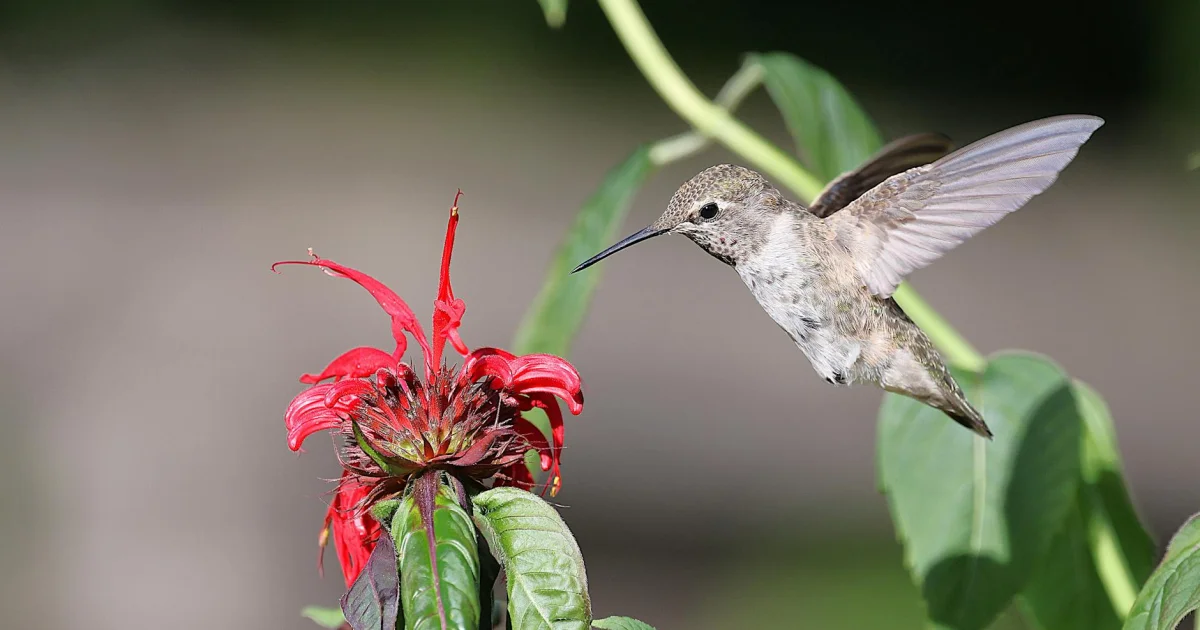
Bee balm, also known as wild bergamot, is a popular choice for attracting hummingbirds and bees alike. These plants produce clusters of vibrant red, pink, or purple flowers that resemble tiny pom-poms, creating a visually stunning display. The flowers are rich in nectar and pollen, making them a favorite among hummingbirds and other pollinators. Bee balm thrives in sunny locations with well-drained soil and is relatively easy to grow. It also has aromatic foliage, which can be used to make tea or potpourri.
While bee balm prefers full sun, it can tolerate partial shade. It’s a relatively low-maintenance plant that is resistant to many common garden pests and diseases. Just ensure you grow them where they will receive a lot of direct light and warmth. They bloom early, and are an early-season source of nectar. Many varieties exist, offering a range of colors and heights to suit different garden styles.
Key Features: Vibrant colors, abundant nectar, aromatic foliage. Considerations: Prefers full sun and well-drained soil.
Creating a native plant garden for hummingbirds is a rewarding experience that benefits both you and the local ecosystem. By choosing these seven exceptional native plants, you can transform your yard into a vibrant haven for these incredible birds and enjoy their beauty and grace for years to come. Remember, native plants are the key to a thriving hummingbird population and a healthy, sustainable garden.