The Overwhelming Toy Avalanche: 7 Signs You Have Too Many Toys
The arrival of a child often brings with it a delightful influx of toys – plush animals, building blocks, dolls, and everything in between. It’s a well-intentioned outpouring of love, a tangible representation of a child’s world blossoming. Yet, for many parents, this initial joy can transform into a feeling of mild panic. The once-charming toy collection quickly morphs into a sprawling landscape of clutter, a constant source of tidying, and a potential catalyst for family stress. While the instinct to provide a plethora of playthings stems from a desire to nurture a child’s development, there comes a point where the sheer volume of toys can actually hinder, rather than help.
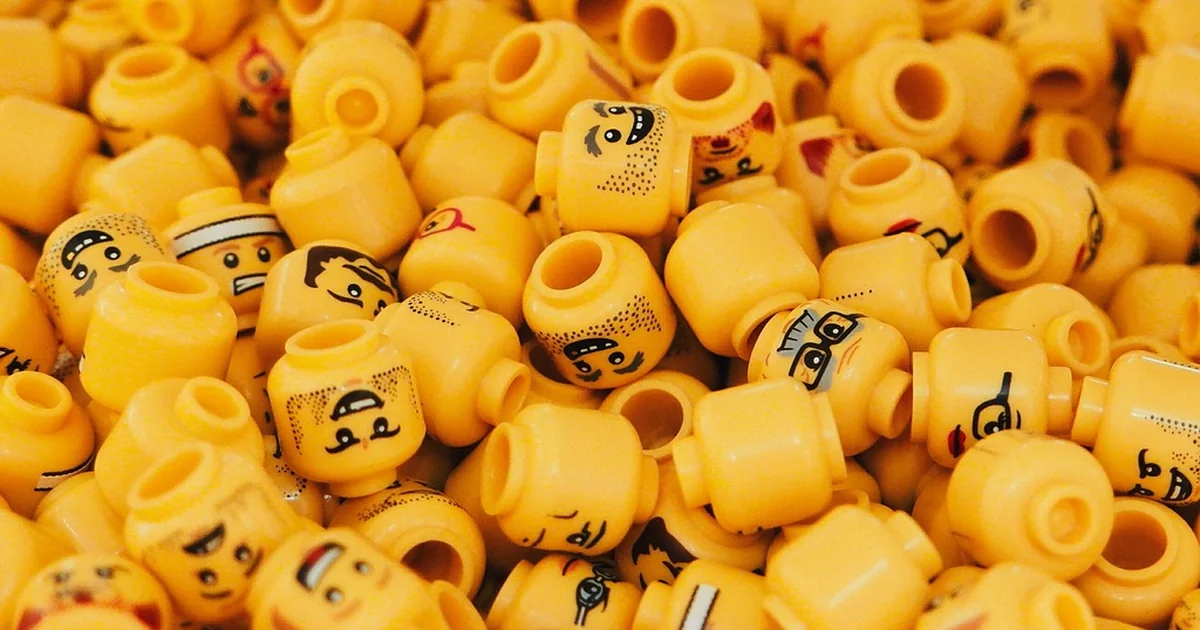
The never-ending stream of gifts, combined with the societal pressure to equip children with every imaginable gadget, can lead to a home overflowing with playthings. This abundance, however, doesn’t automatically equate to more enriching play experiences. In fact, an excess of options can often result in overstimulation, decreased engagement, and even behavioral challenges. If you’re feeling like the toy clutter has reached its tipping point, and you need to downsize, there’s no reason to feel guilty—kids might actually benefit from a less is more approach.
1. The “Toy Overwhelm” Meltdown
One of the most obvious indicators that you might have too many toys is a noticeable increase in meltdowns or frustration when your child is presented with their playthings. This isn’t simply about a momentary burst of emotion; it’s a recurring pattern of distress linked to the sheer number of choices. According to a study published in the journal Developmental Psychology, toddlers between 18 and 30 months showed higher-quality play skills when they played with just 4 toys rather than 16 toys. This finding underscores a crucial point: when children are faced with an overwhelming array of options, they can become easily overstimulated and struggle to focus on any one activity. This can manifest as tantrums, whining, or a general inability to settle down and engage in sustained play.
Consider a scenario: a child surrounded by a mountain of plastic figurines, each with its own intricate backstory and potential for imaginative play. The sheer number can be paralyzing, preventing them from truly connecting with any single toy. They might flit from one item to another, exhibiting restless behavior and failing to develop the concentration needed for deeper engagement. This isn’t a lack of interest in toys; it’s a cognitive overload. The brain struggles to process and prioritize when confronted with too much stimulation. This phenomenon isn’t limited to toddlers; older children can also experience overwhelm, leading to decreased motivation and a sense of being unable to decide what to play with.
2. Short Attention Spans and Rapid Boredom
A common complaint among parents of children with an abundance of toys is a noticeable decrease in attention span. When there’s a vast selection of options readily available, children are less likely to invest time in any one activity. The novelty wears off quickly, and they move on to the next shiny object. This constant shifting can hinder the development of crucial skills like perseverance and focus. The ability to concentrate for extended periods is fundamental to learning and problem-solving, and an overabundance of toys can inadvertently impede this development.
Imagine a child who has access to dozens of different building sets. They might enthusiastically assemble one tower for a few minutes before immediately abandoning it for a different set of blocks or a construction vehicle. This pattern of rapid switching prevents them from mastering the skills inherent in any single building activity. For example, learning to follow instructions and develop spatial reasoning requires sustained effort. With too many options, the child never has the opportunity to fully engage with and master a particular skill.
3. The “Shiny Object Syndrome”
This is closely related to short attention spans and rapid boredom. “Shiny object syndrome” describes the tendency to become fixated on new and exciting things, often at the expense of appreciating or fully utilizing existing possessions. When a child has a plethora of toys, the newest arrival often overshadows the older ones, leading to a cycle of excitement followed by rapid disinterest. This can create a sense of dissatisfaction and prevent children from developing a deeper appreciation for the toys they already own.
Think about the experience of receiving gifts during the holiday season. While the initial excitement is palpable, it often fades quickly as the child’s attention shifts to the next new toy. The previously cherished toys might be relegated to the back of the toy bin, rarely seen or played with. This constant pursuit of the “new” can foster a sense of entitlement and hinder the development of gratitude. It also prevents children from fully exploring the potential of the toys they already have, often overlooking the creative possibilities inherent in familiar playthings.
4. Clutter-Induced Stress for Caregivers
The impact of too many toys isn’t limited to the child; it significantly affects the entire household. A cluttered play area can be a constant source of stress and frustration for parents. Tidying up becomes a never-ending task, and shared spaces can feel cramped and chaotic. The visual clutter can also contribute to a feeling of overwhelm and anxiety, impacting the overall atmosphere of the home. Rachel, a mother of a 6-year-old, articulates this sentiment perfectly: “The visual clutter stresses me out because it sits gathering dust between only occasional bouts of hyper-interest,” she shares. The sheer volume of toys necessitates constant organization, which can divert time and energy from other important tasks.
The logistical challenges of managing a large toy collection are considerable. Finding a specific toy can become a scavenger hunt, and keeping the play area organized requires significant effort. This constant upkeep can be exhausting and detract from the enjoyment of family time. Furthermore, a cluttered environment can hinder creativity and make it difficult for children to focus on play. The visual noise can be distracting, making it harder for them to engage in imaginative play and develop their cognitive skills. The physical space itself becomes a barrier to play.
5. Decreased Imaginative Play
Paradoxically, while an abundance of toys might seem like it would fuel imaginative play, it can actually have the opposite effect. When children have too many options, they may rely on the toys themselves rather than their own imagination to create stories and scenarios. The readily available array of characters and props can stifle the development of creative thinking and problem-solving skills. True imaginative play often thrives on limitations – when children have fewer resources, they are forced to be more resourceful and inventive.
Consider a child with a single wooden block. Faced with this limitation, they might invent a car, a house, a spaceship, or anything else their imagination can conjure. The block becomes a blank canvas for their creativity. Now imagine that same child surrounded by dozens of different toys – cars, dolls, animals, building blocks – and see if their imaginative play is sparked with the same intensity. Often, the abundance can lead to a more passive form of play, where the child simply manipulates the toys without actively engaging their imagination.
6. Difficulty with Prioritization and Value
Having an overwhelming number of toys can make it difficult for children to understand the concept of value and prioritize their possessions. When everything is readily available, there’s less incentive to appreciate or care for any particular item. This can lead to a sense of disposability and a lack of respect for belongings. Learning to value possessions, to take care of them, and to appreciate their worth is an important part of emotional development.
You may also enjoy reading: 13 Essential Items to Pack Now for a Stress-Free Move Later.
Think about the difference between a child who cherishes a few well-loved toys and a child who treats a vast collection of toys with indifference. The former is more likely to take care of their belongings and understand the effort and resources that went into acquiring them. The latter may be quick to discard or neglect toys, demonstrating a lack of appreciation. By reducing the number of toys, you can help children develop a stronger sense of ownership and responsibility for their possessions. This fosters gratitude and teaches them the importance of valuing what they have.
7. The Financial Strain and the Cycle of Consumption
While not directly a sign of having too many toys for the child, the accumulation of a large toy collection often reflects a broader pattern of overconsumption. The constant pressure to buy new toys, driven by marketing and societal expectations, can create a significant financial strain on families. This cycle of purchasing and discarding contributes to environmental concerns and reinforces the idea that happiness is found in material possessions. It’s a cycle that can be difficult to break.
The toy industry is a multi-billion dollar market, and marketing campaigns are expertly designed to appeal to children’s desires. This constant bombardment of advertisements encourages parents to continually purchase new toys, often regardless of what they already have. This can lead to a feeling of obligation to provide the latest gadgets and trends, further contributing to the toy clutter. Shifting towards a more mindful approach to gift-giving, focusing on experiences rather than objects, can help break this cycle and create a more sustainable and less cluttered home.
Finding a Balance: Strategies for Managing Toy Collections
Recognizing the signs that your child might have too many toys is the first step towards creating a more balanced and enriching play environment. The good news is that there are several practical strategies you can implement to manage your family’s toy collection. One effective method is toy rotation, where you keep a portion of your child’s toys in storage and rotate them every few weeks. This keeps the play area fresh and exciting while preventing overwhelm. Another approach is to donate or sell toys that are no longer being played with. Encouraging experiences over objects as gifts can also significantly reduce the influx of new toys. Ultimately, the goal is to create a play space that fosters creativity, focus, and a genuine appreciation for the toys your child does have.
How Many Toys Should One Kid Have?
There isn’t a magic number when it comes to how many toys a child should have. However, experts suggest that 10-15 open-ended toys that can be used in multiple ways offer far more developmental value than over 50 single-use toys. These are the types of toys that spark imagination and encourage sustained play. Consider the function and level of engagement when assessing whether a child truly needs a particular toy. If it doesn’t offer opportunities for creative exploration or long-term play, it might be a candidate for donation or storage.
A Shift in Perspective
Ultimately, the focus should shift from quantity to quality. It’s not about having the most toys, but about having toys that are meaningful, engaging, and support your child’s development. By consciously curating your child’s toy collection and embracing a less-is-more philosophy, you can create a more peaceful, focused, and enriching play environment for everyone in the family. The goal isn’t to deprive children of fun, but to cultivate a deeper appreciation for play and the boundless possibilities of their own imaginations.
Resources for a Minimalist Parenting Approach
For parents seeking guidance on simplifying their lives and embracing a minimalist parenting approach, resources like Simplify Parenthood offer valuable insights and practical strategies. These resources can provide support and inspiration as you navigate the challenges of managing a toy collection and creating a more intentional family life.
Final Thoughts
The abundance of toys, while seemingly a symbol of care and provision, can often lead to overwhelm, decreased engagement, and increased stress for both children and parents. Recognizing the signs that you might have too many toys is the first step towards creating a more balanced and enriching play environment. By focusing on quality over quantity, embracing toy rotation, and prioritizing experiences over objects, you can foster a deeper appreciation for play and cultivate a more peaceful home. It’s about shifting from a mindset of accumulation to one of mindful curation, ultimately benefiting your child’s development and your family’s well-being.
References
- Developmental Psychology Journal Study: Replace with actual link
- Simplify Parenthood: Replace with actual link