Creating a Harmonious Outdoor Space for You and Your Pets
The pleasure of a beautiful garden and the companionship of beloved pets are cherished aspects of family life. A pet friendly garden allows you to enjoy both without constant conflict. It’s about thoughtful planning that prioritizes the safety and enjoyment of all creatures inhabiting your outdoor space. This guide explores how to cultivate a thriving garden that welcomes your furry friends, offering practical advice and insights to create a safe and beautiful environment for everyone.
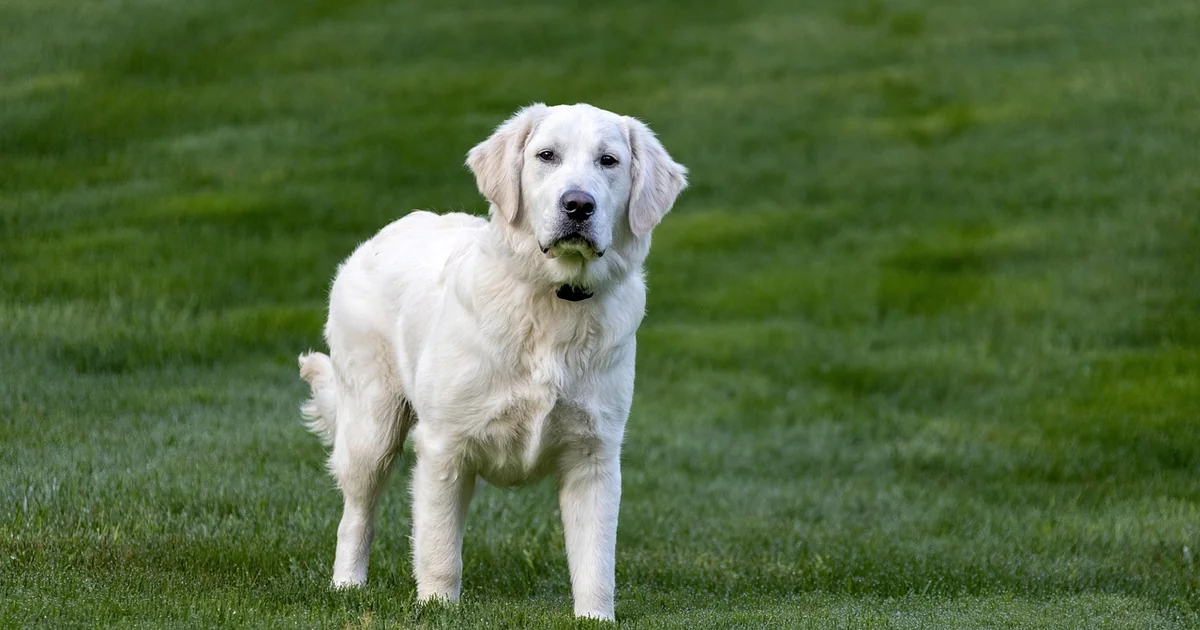
Designing a pet friendly garden isn’t drastically different from creating a traditional one, but it involves a few crucial adjustments. By understanding your pet’s natural behaviors and incorporating pet-safe elements, you can cultivate a space where both you and your animals can relax and play. It’s about finding a balance – a space that nourishes your horticultural desires while respecting your pets’ instincts.
Why Create a Pet-Friendly Garden?
The reasons to dedicate a portion of your outdoor space to your animal companions are numerous. Perhaps the most significant is the simple desire for shared enjoyment. Life with pets is fleeting, and creating a space where you can spend quality time together, surrounded by nature, is a wonderful investment in your relationship. “A garden is meant to be enjoyed by all members of the planet,” says Kasey Bersett Eaves, owner of Vivant Gardening Services in Chicago, Illinois. “Make sure your garden has a space for everyone.” Beyond companionship, a pet friendly garden can reduce stress for both you and your animals. A designated area for digging, sniffing, and exploring can redirect unwanted behaviors and prevent damage to more delicate plantings. Furthermore, a well-designed pet-friendly garden can enhance your home’s overall aesthetic and increase your property value.
Plants to Avoid: Ensuring Safety First
One of the most critical aspects of a pet friendly garden is selecting plants that are non-toxic. Many popular garden varieties can be harmful if ingested by dogs or cats. Some plants are mildly irritating, causing digestive upset, while others can lead to more severe health complications. It’s essential to research the toxicity of any plant before introducing it to your garden. “Some plants are toxic to pets and should be avoided, especially if your pet loves to nibble on anything they can find,” Eaves explains. Here are a few common offenders:
- Lily of the Valley: This fragrant spring flower contains cardiac glycosides, which can cause severe drops in heart rate, vomiting, and diarrhea.
- Azaleas and Rhododendrons: These beautiful flowering shrubs contain grayanotoxins that can lead to vomiting, diarrhea, weakness, and even heart problems.
- Oleander: All parts of the oleander plant are highly toxic, containing cardiac glycosides that can cause serious heart and respiratory issues.
- Sago Palm: This popular ornamental plant is extremely toxic, with all parts containing cycasin, which can cause liver failure and death. Even the dust from broken palm seeds is dangerous.
- Castor Bean: The beans contain ricin, a potent toxin that can cause organ failure and death.
It’s a good practice to consult the ASPCA’s list of toxic and non-toxic plants for a comprehensive reference.
Fragile Plants: Adapting to Energetic Gardeners
Even if a plant isn’t toxic, its fragility can pose a problem in a garden frequented by playful pets. A dog with a penchant for zoomies or a cat who enjoys batting at foliage can quickly wreak havoc on delicate plants. “If you have a dog that loves to do zooms around the garden, then you’ll need to be careful about planting easily-damaged plants,” Eaves advises. Instead of avoiding all plants with a delicate structure, consider incorporating more resilient species. Lean into grasses, shrubs, and fast-regenerating plants to allow plants to rebound after a game of fetch or chase.
Protecting Your Plants: Barriers and Distractions
While choosing pet-safe and durable plants is important, sometimes a little extra protection is necessary. Physical barriers can create a safe zone for your plants without excluding your pets entirely. From aesthetic fencing to raised garden beds, there are various ways to keep plants out of reach of curious paws. Raised beds, for example, offer a convenient way to elevate plants, making them less accessible to dogs and cats. Soft barriers, such as low edging or decorative stones, can also deter pets from venturing into certain areas. Another smaller-scale way to protect plants is to strategically redirect your pet’s attention, especially if they’re tempted to tinkle in the garden. “Dogs naturally seek large porous and seemingly permanent objects to leave their mark,” Eaves explains. “Placing them around delicate plantings and corners can go a long way to protect the garden overall.”
Additional Design Considerations for a Pet-Friendly Oasis
The best pet friendly garden designs integrate your pets’ natural instincts. Understanding how your animals behave will allow you to create a space that caters to their needs while maintaining your horticultural goals. “Design your garden around their instincts and tracks, and you will not have to worry about fighting them out of your garden beds,” Eaves suggests. Consider incorporating elements that appeal to your pets’ senses and behaviors:
You may also enjoy reading: Easy Mother’s Day Flower Arrangements She’ll Adore.
- Digging Zones: Many dogs have a natural instinct to dig. Create a designated digging area filled with sand or loose soil where they can satisfy this urge without destroying your flowerbeds.
- Water Features: A shallow water bowl or a small, pet-friendly fountain can provide a refreshing spot for your pets to cool off on warm days. Ensure the water is changed regularly to prevent bacterial growth.
- Shady Resting Spots: Pets need places to escape the sun. Incorporate shady areas with comfortable bedding or a pet house. Consider planting trees or shrubs to provide natural shade.
- Sensory Gardens: Introduce plants with interesting textures and smells that appeal to your pets. Catnip, for example, is a favorite among many felines. Safe herbs like chamomile can also be enjoyed by dogs.
Flexibility is key in a pet friendly garden. Even with careful planning, your pets may occasionally test the boundaries. A flexible gardener is a successful gardener! Be prepared to adapt your design as needed and enjoy the process of creating a shared outdoor space that brings joy to both you and your furry companions.
By thoughtfully considering plant selection, physical barriers, and your pets’ natural behaviors, you can transform your garden into a beautiful and inviting space for everyone to enjoy. It’s about creating a harmonious outdoor environment where both you and your beloved animals can thrive.
What if my pet is particularly persistent in trying to eat plants, even after I’ve avoided toxic varieties?
Even with careful plant selection, some pets may still exhibit a desire to nibble on greenery. This can be due to boredom, nutritional deficiencies, or simply instinct. Providing alternative outlets for their chewing behavior can help. Offer safe chew toys, such as durable rubber or nylon options. Consider incorporating edible, pet-safe herbs like parsley or basil in a designated area. Regular exercise and mental stimulation can also reduce boredom-related plant consumption. If the behavior persists or you suspect a nutritional issue, consult with your veterinarian.
How do I choose plants that are durable enough to withstand regular pet activity?
When selecting plants for a pet friendly garden, prioritize those with sturdy stems, dense foliage, and resilient growth habits. Grasses like ornamental fescue and sturdy shrubs like boxwood are generally more tolerant of pet interaction than delicate flowering plants. Look for plants with thorny or prickly leaves, which can act as a natural deterrent. Consider grouping plants together to create a more substantial barrier. Remember, even durable plants can be damaged by excessive play, so a combination of plant selection and protective measures is often the most effective approach.
Why is it important to consider both toxicity and fragility when selecting plants?
Considering both toxicity and fragility is crucial for a truly pet friendly garden. A plant might be non-toxic but easily damaged, leading to frustration for both you and your pet. Conversely, a non-fragile plant could be toxic, posing a health risk. A comprehensive approach ensures a safe and aesthetically pleasing garden that caters to your pets’ needs without compromising your horticultural efforts. By evaluating both factors, you can create a balanced landscape where your pets can enjoy the outdoors safely without causing excessive damage.