Why Some Seeds Prefer the Ground
For years, the prevailing wisdom in gardening has leaned heavily towards starting seeds indoors. The image of meticulously arranged seed trays in a greenhouse – a controlled environment promising a head start on the growing season – is deeply ingrained in many gardeners’ practices. However, a recent video by TikTok creator @emjorealdavies challenged this long-held belief, sparking a lively discussion among gardening enthusiasts. She highlighted several flower varieties – sweet peas, calendula, ammi majus, nasturtiums, strawflowers, and snapdragons – that thrive when sown directly into the garden soil. It turns out, this isn’t a radical notion but rather a well-understood principle among experienced gardeners. The reality is far more nuanced than simply opting for one method over the other; it all hinges on the unique biological needs of each seed. The idea that a greenhouse automatically guarantees success isn’t universally true.
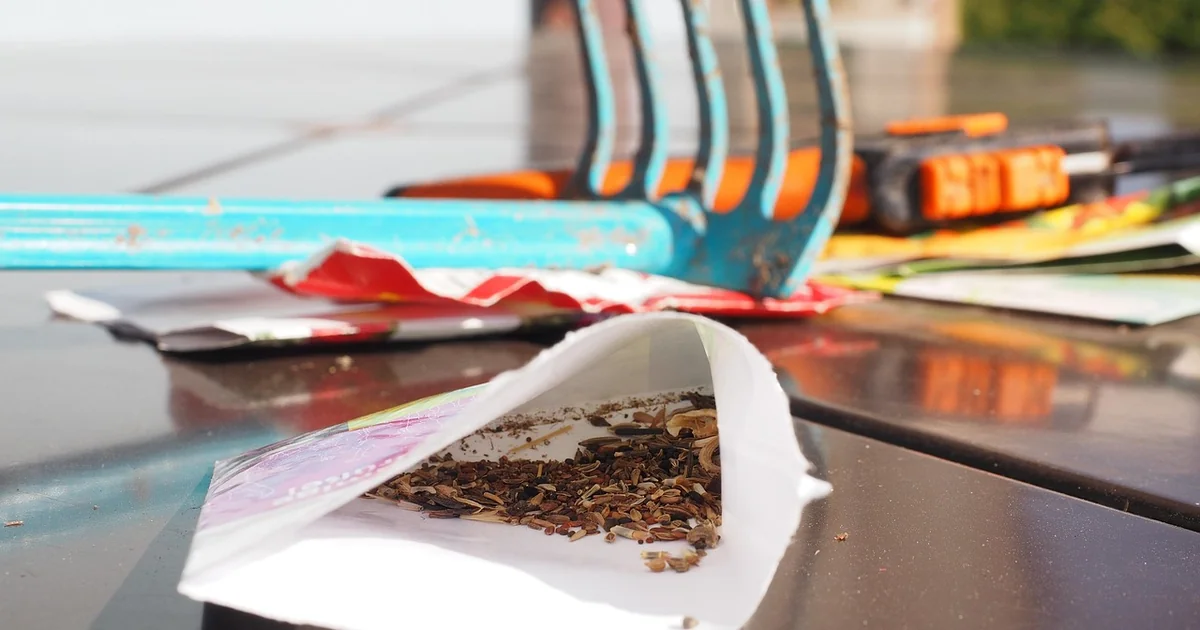
James Smith, product marketing manager at Rural Supplies, clarifies the underlying science. He explains that plants with taproots or brittle root systems simply don’t recover well once disturbed. Direct sowing avoids this disruption, allowing for uninterrupted root development and ultimately leading to a more robust plant. “These plants are very particular about their roots,” Smith says. “They don’t handle being moved around well, and the shock can stunt their growth or even kill them.” This is exactly why gardeners who have tried to transplant these varieties from seed trays often encounter disappointment. While you may still need to provide water, you want to avoid drowning delicate seedlings – a rosehead watering can, like this one available on Amazon, is perfect for precise watering.
The Biology of Root Systems
Different plants have evolved with varying root systems, each with its own set of requirements. Taproots, which grow straight down into the soil, are common in plants like carrots, beets, and sweet peas. These roots require a stable environment and are easily damaged when transplanted. Brittle root systems, found in many annual flowers, are also susceptible to damage. When disturbed, these roots can break, hindering the plant’s ability to absorb water and nutrients. In contrast, fibrous root systems, which spread out horizontally, are more resilient to transplanting. These are characteristic of many vegetables like tomatoes and peppers, as well as some perennials. While a fine mesh cloche (like this one on Amazon) is beneficial for protecting newly germinated seedlings from slugs and pests during the vulnerable early stage without resorting to chemicals, the initial sowing location is critical.
Staci Hill, co-author of The Preserver’s Garden and co-founder of Gooseberry Bridge Farm, concurs. “Things that germinate and grow quickly and don’t like root disturbance tend to do the best outside,” she notes. Hill emphasizes that while greenhouses have their place, they aren’t a universal solution. “You have to consider the specific needs of the plant,” she advises. For those who want a middle ground, she recommends winter sowing: starting plants inside a mini greenhouse made from a recycled milk jug. This method works exceptionally well for cool-weather vegetables, herbs, and perennial flowers. The natural fluctuations in temperature and light experienced during winter mimic the conditions these plants prefer, preparing them for a successful transition to the garden.
What the Greenhouse Is Actually Good For
It’s important to note that the assertion that some seeds thrive outdoors doesn’t diminish the value of greenhouses. They remain invaluable for cultivating plants with specific needs. For instance, warmer-season crops like tomatoes, peppers, and eggplants need a longer growing season and more warmth to germinate and thrive. These seeds benefit significantly from the controlled environment of a greenhouse, where temperature and humidity can be regulated. Similarly, seeds that require a longer period of daylight, like many herbs and some flowering plants, can benefit from the extended hours of light provided by a greenhouse. These are generally slower-growing varieties that can tolerate transplanting and require a longer season to produce.
The decision of whether to start seeds indoors or sow them directly outdoors isn’t always black and white. It’s a balancing act between the plant’s individual requirements and your local climate and growing season. Your climate and season length determine if you should start seeds ahead of time or direct sow them outdoors. For those who want to maximize their garden yield, direct sowing offers a practical solution, especially for those with limited space. You can simply plant more seeds directly in the ground, knowing that a good percentage will likely take root. This approach also aligns with organic gardening practices, as it avoids the need for transplanting, which can sometimes stress plants.
Why Are Some Seeds More Suited to Direct Sowing Than Others?
Several factors contribute to why certain seeds perform better when sown directly outdoors. One key aspect is soil temperature. Different seeds have optimal soil temperature ranges for germination. Some, like lettuce and spinach, can germinate successfully in cooler soils, while others, such as tomatoes and basil, require warmer temperatures. Direct sowing ensures that the seeds are immediately in the optimal temperature zone, maximizing their chances of sprouting. This is a crucial consideration, as soil temperature can fluctuate significantly, particularly in early spring.
Another factor is the role of seed dormancy. Some seeds have a natural dormancy period, requiring specific conditions – such as cold stratification or scarification – to break dormancy and germinate. Direct sowing allows these seeds to undergo these natural processes in the soil, rather than relying on artificial methods. For example, many woodland wildflowers benefit from being exposed to a period of cold and moisture before they will germinate. Furthermore, direct sowing encourages the development of a healthy root system from the outset. The roots have immediate access to the soil food web – the beneficial microbes that help plants absorb nutrients. This early interaction with beneficial soil organisms can give seedlings a significant advantage.
Practical Considerations for Direct Sowing
While direct sowing is often simpler, it does require some preparation. Before sowing, it’s essential to prepare the soil properly. This involves loosening the soil, removing weeds and debris, and amending it with compost or other organic matter to improve its fertility and drainage. The ideal soil structure provides good aeration for root growth while retaining enough moisture. The best time to direct sow depends on your local climate and the specific seed. Consult seed packets or local planting guides for recommended sowing times. When planting several seeds at once, as most people tend to do, a seed dibber can make 6 holes at once, saving you time and energy. Remember, even with careful preparation, there’s always a chance that some seeds may not germinate, so it’s wise to sow more than you need to ensure a good yield.
For those who are new to gardening, direct sowing can seem daunting. However, it’s a rewarding and straightforward method. It connects you directly with the natural cycles of growth and provides a tangible sense of accomplishment. You’ll learn to read your soil, understand the weather patterns, and appreciate the resilience of plants. It’s a far cry from the controlled environment of a greenhouse, but for many seeds, it’s the best path to a thriving garden.
The impact of soil temperature on seed germination success is significant – even a few degrees can make a difference. Understanding the specific needs of your seeds and choosing the right sowing method – whether it’s direct sowing or starting indoors – is key to a successful gardening season. While greenhouses certainly have their place, don’t underestimate the power and simplicity of planting directly into the ground. It’s a practice that experienced gardeners have relied on for generations, and for many varieties, it remains the most effective way to cultivate a bountiful harvest.
A Note on Watering
Regardless of whether you choose to start seeds indoors or sow them directly outdoors, consistent and appropriate watering is crucial. Newly sown seeds and seedlings are particularly vulnerable to drying out, so maintaining adequate moisture is essential for successful germination and establishment. A watering can with a rose head, like the Jorzer watering can available on Amazon, is ideal for gentle watering that won’t disturb delicate seedlings. Avoid overhead watering, which can dislodge seeds or seedlings and increase the risk of fungal diseases. Instead, water at the soil level, ensuring that the soil is consistently moist but not waterlogged.
Consider using mulch to help retain soil moisture and suppress weed growth. Organic mulches, such as straw or wood chips, also improve soil health as they decompose. The frequency of watering will depend on the weather conditions and the type of soil you have. Sandy soils drain quickly and require more frequent watering than clay soils, which retain moisture for longer. Monitor your plants regularly and adjust your watering schedule accordingly. It’s always better to err on the side of slightly less water than too much, as overwatering can be just as detrimental to plant health as underwatering.
For a surprisingly long list of seeds – including some of the most popular flowers in a cutting garden – the ground itself is the best place to start. The natural environment offers a wealth of benefits, including optimal soil conditions, beneficial microbes, and the opportunity for plants to develop strong, resilient root systems. By understanding the unique needs of your seeds and choosing the right sowing method, you can cultivate a thriving garden and enjoy the rewards of a successful growing season.
Resources for Further Learning
To delve deeper into the world of gardening, consider exploring these resources:
- Gardening Know How: Offers a wealth of articles, guides, and tips for gardeners of all levels.
- The Old Farmer’s Almanac: Provides seasonal planting calendars, weather forecasts, and gardening advice.
- Better Homes & Gardens: Features articles on gardening, home decor, and family living.
- HGTV: Offers gardening shows, articles, and design inspiration.
Disclaimer
The information provided in this article is for general knowledge and informational purposes only, and does not constitute professional advice. It is essential to consult with local gardening experts and resources for specific recommendations tailored to your region and growing conditions. The author and publisher are not responsible for any outcomes resulting from the use of this information.
/humanizer
Why Some Seeds Prefer the Ground
For years, the prevailing wisdom in gardening has leaned heavily towards starting seeds indoors. The image of meticulously arranged seed trays in a greenhouse – a controlled environment promising a head start on the growing season – is deeply ingrained in many gardeners’ practices. However, a recent video by TikTok creator @emjorealdavies challenged this long-held belief, sparking a lively discussion among gardening enthusiasts. She highlighted several flower varieties – sweet peas, calendula, ammi majus, nasturtiums, strawflowers, and snapdragons – that thrive when sown directly into the garden soil. It turns out, this isn’t a radical notion but rather a well-understood principle among experienced gardeners. The reality is far more nuanced than simply opting for one method over the other; it all hinges on the unique biological needs of each seed. The idea that a greenhouse automatically guarantees success isn’t universally true.
James Smith, product marketing manager at Rural Supplies, clarifies the underlying science. He explains that plants with taproots or brittle root systems simply don’t recover well once disturbed. Direct sowing avoids this disruption, allowing for uninterrupted root development and ultimately leading to a more robust plant. “These plants are very particular about their roots,” Smith says. “They don’t handle being moved around well, and the shock can stunt their growth or even kill them.” This is exactly why gardeners who have tried to transplant these varieties from seed trays often encounter disappointment. While you may still need to provide water, you want to avoid drowning delicate seedlings – a rosehead watering can, like this one available on Amazon, is perfect for precise watering.
You may also enjoy reading: 11 Creative Ways to Make Your Own Clay Plant Markers from Scratch.
The Biology of Root Systems
Different plants have evolved with varying root systems, each with its own set of requirements. Taproots, which grow straight down into the soil, are common in plants like carrots, beets, and sweet peas. These roots require a stable environment and are easily damaged when transplanted. Brittle root systems, found in many annual flowers, are also susceptible to damage. When disturbed, these roots can break, hindering the plant’s ability to absorb water and nutrients. In contrast, fibrous root systems, which spread out horizontally, are more resilient to transplanting. These are characteristic of many vegetables like tomatoes and peppers, as well as some perennials. While a fine mesh cloche (like this one on Amazon) is beneficial for protecting newly germinated seedlings from slugs and pests during the vulnerable early stage without resorting to chemicals, the initial sowing location is critical.
Staci Hill, co-author of The Preserver’s Garden and co-founder of Gooseberry Bridge Farm, concurs. “Things that germinate and grow quickly and don’t like root disturbance tend to do the best outside,” she notes. Hill emphasizes that while greenhouses have their place, they aren’t a universal solution. “You have to consider the specific needs of the plant,” she advises. For those who want a middle ground, she recommends winter sowing: starting plants inside a mini greenhouse made from a recycled milk jug. This method works exceptionally well for cool-weather vegetables, herbs, and perennial flowers. The natural fluctuations in temperature and moisture mimic the conditions these plants prefer, preparing them for a successful transition to the garden.
What the Greenhouse Is Actually Good For
It’s important to note that the assertion that some seeds thrive outdoors doesn’t diminish the value of greenhouses. They remain invaluable for cultivating plants with specific needs. For instance, warmer-season crops like tomatoes, peppers, and eggplants need a longer growing season and more warmth to germinate and thrive. These seeds benefit significantly from the controlled environment of a greenhouse, where temperature and humidity can be regulated. Similarly, seeds that require a longer period of daylight, like many herbs and some flowering plants, can benefit from the extended hours of light provided by a greenhouse. These are generally slower-growing varieties that can tolerate transplanting and require a longer season to produce.
The decision of whether to start seeds indoors or sow them directly outdoors isn’t always black and white. It’s a balancing act between the plant’s individual requirements and your local climate and growing season. Your climate and season length determine if you should start seeds ahead of time or direct sow them outdoors. For those who want to maximize their garden yield, direct sowing offers a practical solution, especially for those with limited space. You can simply plant more seeds directly in the ground, knowing that a good percentage will likely take root. This approach also aligns with organic gardening practices, as it avoids the need for transplanting, which can sometimes stress plants.
Why Are Some Seeds More Suited to Direct Sowing Than Others?
Several factors contribute to why certain seeds perform better when sown directly outdoors. One key aspect is soil temperature. Different seeds have optimal soil temperature ranges for germination. Some, like lettuce and spinach, can germinate successfully in cooler soils, while others, such as tomatoes and basil, require warmer temperatures. Direct sowing ensures that the seeds are immediately in the optimal temperature zone, maximizing their chances of sprouting. This is a crucial consideration, as soil temperature can fluctuate significantly, particularly in early spring.
Another factor is the role of seed dormancy. Some seeds have a natural dormancy period, requiring specific conditions – such as cold stratification or scarification – to break dormancy and germinate. Direct sowing allows these seeds to undergo these natural processes in the soil, rather than relying on artificial methods. For example, many woodland wildflowers benefit from being exposed to a period of cold and moisture before they will germinate. Furthermore, direct sowing encourages the development of a healthy root system from the outset. The roots have immediate access to the soil food web – the beneficial microbes that help plants absorb nutrients. This early interaction with beneficial soil organisms can give seedlings a significant advantage.
Practical Considerations for Direct Sowing
While direct sowing is often simpler, it does require some preparation. Before sowing, it’s essential to prepare the soil properly. This involves loosening the soil, removing weeds and debris, and amending it with compost or other organic matter to improve its fertility and drainage. The ideal soil structure provides good aeration for root growth while retaining enough moisture. The best time to direct sow depends on your local climate and the specific seed. Consult seed packets or local planting guides for recommended sowing times. When planting several seeds at once, as most people tend to do, a seed dibber can make 6 holes at once, saving you time and energy. Remember, even with careful preparation, there’s always a chance that some seeds may not germinate, so it’s wise to sow more than you need to ensure a good yield.
For those who are new to gardening, direct sowing can seem daunting. However, it’s a rewarding and straightforward method. It connects you directly with the natural cycles of growth and provides a tangible sense of accomplishment. You’ll learn to read your soil, understand the weather patterns, and appreciate the resilience of plants. It’s a far cry from the controlled environment of a greenhouse, but for many seeds, it’s the best path to a thriving garden.
Regardless of whether you choose to start seeds indoors or sow them directly outdoors, consistent and appropriate watering is crucial. Newly sown seeds and seedlings are particularly vulnerable to drying out, so maintaining adequate moisture is essential for successful germination and establishment. A watering can with a rose head, like the Jorzer watering can available on Amazon, is ideal for gentle watering that won’t disturb delicate seedlings. Avoid overhead watering, which can dislodge seeds or seedlings and increase the risk of fungal diseases. Instead, water at the soil level, ensuring that the soil is consistently moist but not waterlogged.
Consider using mulch to help retain soil moisture and suppress weed growth. Organic mulches, such as straw or wood chips, also improve soil health as they decompose. The frequency of watering will depend on the weather conditions and the type of soil you have. Sandy soils drain quickly and require more frequent watering than clay soils, which retain moisture for longer. Monitor your plants regularly and adjust your watering schedule accordingly. It’s always better to err on the side of slightly less water than too much, as overwatering can be just as detrimental to plant health as underwatering.
For a surprisingly long list of seeds – including some of the most popular flowers in a cutting garden – the ground itself is the best place to start. The natural environment offers a wealth of benefits, including optimal soil conditions, beneficial microbes, and the opportunity for plants to develop strong, resilient root systems. By understanding the unique needs of your seeds and choosing the right sowing method, you can cultivate a thriving garden and enjoy the rewards of a successful growing season.
Resources for Further Learning
To delve deeper into the world of gardening, consider exploring these resources:
- Gardening Know How: Offers a wealth of articles, guides, and tips for gardeners of all levels.
- The Old Farmer’s Almanac: Provides seasonal planting calendars, weather forecasts, and gardening advice.
- Better Homes & Gardens: Features articles on gardening, home decor, and family living.
- HGTV: Offers gardening shows, articles, and design inspiration.
Disclaimer
The information provided in this article is for general knowledge and informational purposes only, and does not constitute professional advice. It is essential to consult with local gardening experts and resources for specific recommendations tailored to your region and growing conditions. The author and publisher are not responsible for any outcomes resulting from the use of this information.