The Key Differences: A Closer Look
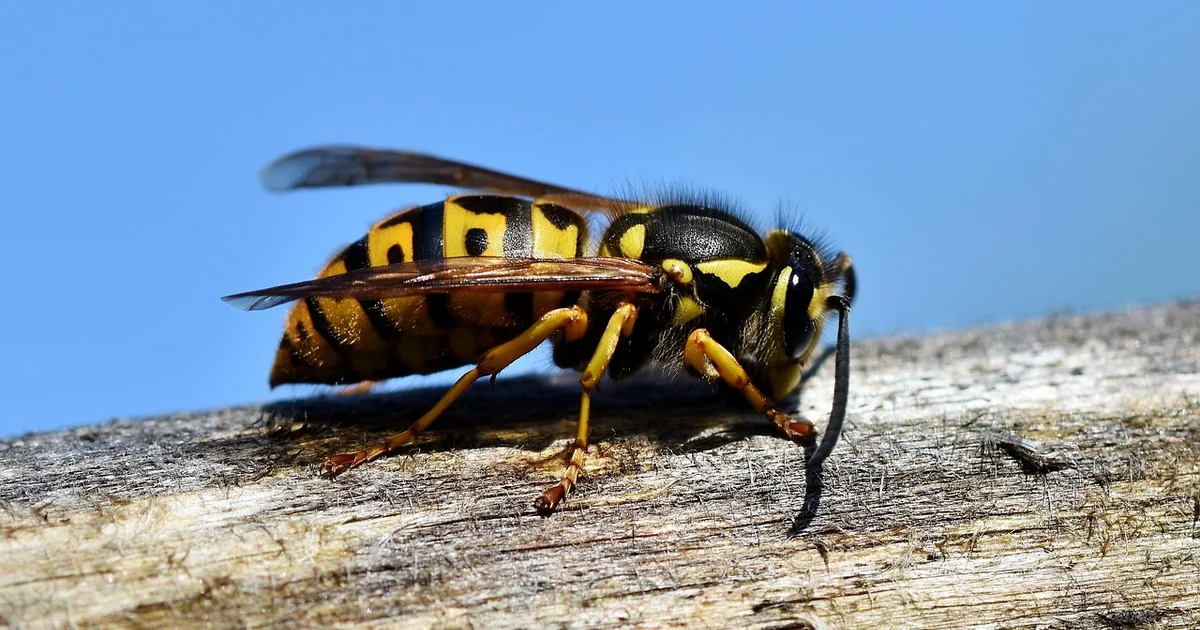
At their core, hornets are a type of wasp, belonging to the Vespidae family. However, several key features differentiate them from other wasps. The most noticeable difference often lies in size and temperament. Generally, hornets are larger and exhibit a more aggressive behavior than most wasps. This difference in disposition can significantly impact the severity of a sting.
Size and Appearance
Hornet vs. Wasp Identification begins with observing their physical attributes. Hornets typically range from 1.5 to 2 inches in length, making them considerably larger than most wasps. Their bodies are robust and often have a more defined, elongated shape. In contrast, wasps vary in size depending on the species, but many are smaller and more slender.
Another visual cue lies in their color patterns. While both hornets and wasps share a characteristic black and yellow or black and white banding, the specific arrangement differs. Hornets typically have black and white rings, while wasps often display black and yellow bands. This distinction can be particularly helpful when making a quick identification.
Temperament and Aggression
The temperament of hornets and wasps is a significant factor in how they behave around humans. Hornets are generally more defensive and readily aggressive, especially when their nest is threatened. They are fiercely protective of their colony and will not hesitate to sting if they perceive a danger. Most wasps, on the other hand, are solitary creatures and tend to avoid confrontation. They are less likely to sting unless directly provoked.
It’s important to note that this is a generalization, and individual behavior can vary depending on the species and the circumstances. For instance, yellowjackets, a type of wasp, are known for their aggressive nature, particularly in late summer and fall when their food sources become scarce.
Sting Severity
All wasps and hornets possess a smooth, hollow stinger that they use for hunting and defense. However, the venom composition and the amount injected can vary. While bee stings are often considered the least painful due to the barbed nature of their stinger (which gets lodged in the skin), hornet stings are generally regarded as the most painful. The venom contains a higher concentration of alkaloids, which cause intense pain, swelling, and itching.
The severity of a sting depends on several factors, including the species of insect, the amount of venom injected, and the individual’s allergic reaction.
Common Types of Hornets and Wasps
The world of wasps and hornets is incredibly diverse, with tens of thousands of species found across the globe. Here are some of the most common types encountered in North America:
European Hornets
The only true hornet species native to the United States is the European hornet (Vespa crabro). These large insects can reach up to 2 inches in length and are characterized by their black and white markings. European hornets are highly defensive of their nests and are most likely to sting if they feel threatened. They generally prefer to avoid confrontation but will aggressively defend their colony and food sources.
European hornets typically build large, paper-like nests in sheltered locations such as trees, shrubs, or building eaves. Their nests can contain several hundred individuals.
Bald-faced Hornets
Bald-faced hornets (Dolichovespula maculata) are another common sight in North America. Despite their name, they are actually a type of yellowjacket, not a true hornet. They are easily identified by their distinctive black and white markings on their head and thorax. Bald-faced hornets are known for their aggressive behavior, particularly if you get too close to their nest.
These hornets build large, umbrella-shaped nests made of paper-like material, typically suspended from tree branches, shrubs, or building structures. A small, open-faced nest under your porch or eaves is likely a bald-faced hornet nest.
Paper Wasps
Paper wasps (family Vespidae) are characterized by their habit of building open-comb nests made of a papery material created from chewed wood fibers. These nests resemble small, umbrella-shaped structures and are often found hanging from eaves, porches, or tree branches.
Many species of paper wasps are docile and are not prone to stinging unless directly threatened. They are beneficial insects that prey on other nuisance insects like flies, caterpillars, and spiders. Paper wasps play an important role in controlling pest populations.
Yellowjackets
Yellowjackets are wasps (bald-faced hornets are also part of the yellowjacket family) that are easily recognized by their yellow and black banding. They are highly sensitive to threats and are not afraid to use their stingers. Yellowjackets can build hanging nests similar to bald-faced hornets but also nest in wall voids, attic spaces, and burrows.
Burrow nests are often the most dangerous because yellowjackets can quickly emerge from underground and attack unsuspecting individuals. Sounds in your walls at night can indicate a rodent or animal, but rustling, chewing, or buzzing sounds heard throughout the day could indicate a possible wall void nest.
Hornet vs. Wasp vs. Bee Stings: What to Do
While hornets and wasps can be intimidating, understanding the difference between their stings and those of bees is important. Bees use their stingers for protection when threatened, but unlike wasps and hornets, they die after stinging due to the barbed nature of their stinger, which becomes lodged in the skin.
All types of these stings cause swelling, pain, and itching. However, the severity of the reaction can vary depending on the individual’s sensitivity and the amount of venom injected. Some people may experience mild discomfort, while others may have a more severe reaction.
You may also enjoy reading: 7 Simple Steps to Buy & Enjoy Tinned Fish (Beginner’s Guide).
If you experience a sting, it is important to take the following steps:
- Clean the area with soap and water.
- Apply a cold compress to reduce swelling.
- Take an over-the-counter pain reliever.
- Apply a topical antihistamine cream to relieve itching.
- Monitor for signs of an allergic reaction, such as difficulty breathing, hives, or swelling of the face or throat. If you experience any of these symptoms, seek immediate medical attention.
Identifying and Addressing Nest Concerns
Discovering a nest on your property can be alarming. Here’s how to approach different types of nests and when to call for professional help.
Paper Wasp Nests
If you find a small paper wasp nest, you can attempt to remove it yourself. Use a broom to gently knock down the nest and then stomp on it immediately. While you don’t have to stomp, doing so prevents the wasps from rebuilding a larger nest nearby.
Bald-faced Hornet Nests
Bald-faced hornet nests are best left to professionals. These hornets are highly defensive, and attempting to remove their nest yourself can be dangerous. If you spot a bald-faced hornet nest, contact a pest control service for safe removal.
Yellowjacket Nests
Yellowjacket nests, especially those found in wall voids or underground, pose a significant risk. Do not attempt to remove these nests yourself. Contact a professional pest control service immediately. They have the expertise and equipment to safely and effectively eliminate yellowjacket nests.
European Hornet Nests
European hornets are considered a concern due to their aggressive nature and potential impact on honeybee populations. If you discover a European hornet nest, it’s crucial to report it to your local authorities or a professional pest control service. They will have the necessary protocols to manage the situation responsibly.
Preventing Hornet and Wasp Problems
Taking preventative measures can help minimize the risk of encounters with hornets and wasps. Here are a few tips:
- Seal any cracks or openings in your home’s exterior to prevent wasps from nesting in wall voids.
- Keep garbage cans tightly covered.
- Avoid wearing brightly colored clothing or perfumes, as these can attract wasps.
- Don’t leave food or drinks unattended outdoors.
- Regularly inspect your property for signs of nests.
When to Call a Professional
While some homeowners may feel equipped to handle minor wasp or hornet issues, there are situations where it’s best to call a professional pest control service.
- If you have a known allergy to insect stings.
- If the nest is large or located in a difficult-to-reach area.
- If you are uncomfortable dealing with stinging insects.
- If you suspect a nest is located inside your home.
- If you are dealing with a European hornet nest.
Professional pest control services have the training, equipment, and expertise to safely and effectively eliminate wasp and hornet nests. They can also provide advice on preventing future problems.