Stepping into a bathroom with a traditional design feels like entering a sanctuary that has gracefully evolved over time. It’s not about replicating a single historical period, but rather about curating a sense of enduring comfort and elegance. This aesthetic avoids the sharp edges of ultra-modern trends and the potential whimsy of overly themed decor, instead finding its strength in balanced proportions, quality materials, and a layered, collected feel. The goal is a space that feels both established and inviting, a personal retreat that promises to remain just as charming in a decade as it is today.
The Philosophy of Timeless Traditional Design
What exactly makes a bathroom design “timeless”? It’s a style that transcends the decade it was created in. Unlike a trend-driven space that can feel dated within a few years, a timeless traditional bathroom draws from a broad historical palette—perhaps the clean lines of Shaker cabinetry, the ornate curves of a Victorian clawfoot tub, or the geometric patterns of Art Deco tile. The magic happens when these elements are combined with intention, not as a historical recreation, but as a harmonious blend. A 2021 survey by the National Kitchen & Bath Association found that nearly 68% of homeowners prefer designs that incorporate classic elements they believe will have long-term appeal, underscoring this shift away from fleeting fads. The focus is on creating a foundation of neutral, enduring materials and colors, then layering in character through fixtures, hardware, and accessories that have proven their aesthetic staying power.
Avoiding the “Showroom” Look
A common pitfall in traditional design is creating a space that feels too perfectly matched or sterile, resembling a furniture showroom more than a lived-in home. When every piece is from the same collection and finished in the same polished chrome, the room can lack soul and warmth. The challenge is to achieve cohesion without monotony.
The solution lies in the principle of collected elegance. Instead of buying a full matching suite, mix metals thoughtfully. Pair polished nickel faucets with unlacquered brass cabinet hardware. Introduce a piece with a history, like an antique dresser repurposed as a vanity or a vintage rug. Vary textures extensively: pair smooth marble with nubby linen towels, glossy tile with matte painted wood, and sleek porcelain with woven seagrass baskets. This approach creates visual interest and a sense that the room has been assembled over time, which is the very heart of a timeless traditional feel.
Five Timeless Traditional Bathroom Design Ideas
To translate this philosophy into reality, let’s explore five concrete design concepts. Each embodies the principles of mixing eras, prioritizing quality materials, and fostering a serene, collected atmosphere. These ideas are starting points meant to be adapted to your space, lighting, and personal taste.
1. The Statement Vanity: Beyond the Standard Cabinet
The vanity often serves as the anchor of a bathroom, and in a traditional setting, it presents a prime opportunity to inject character. Moving beyond a standard stock cabinet can instantly elevate the entire room. Consider repurposing a genuine antique dresser or sideboard. This adds instant history and unique detailing—think dovetail joinery, turned legs, or inlaid wood. To make it functional, a contractor can cut openings in the top for sinks and run plumbing through the back or sides. Top it with a slab of marble or quartzite for a luxurious, practical surface. In a smaller space, a pedestal sink offers classic, airy appeal, but for storage, look to a freestanding cupboard or a wall-mounted console table with shelves below. The key is choosing a piece that feels like furniture first, bathroom fixture second.
2. The Enduring Color Palette: Mastering Neutrals and Hues
Color sets the mood, and timeless traditional bathrooms often rely on a sophisticated, restrained palette. The classic black-and-white scheme remains perpetually powerful for a reason: it offers stark, graphic contrast that feels both crisp and historic. Imagine hexagonal floor tiles in a monochrome pattern or subway tile walls with dark grout. However, timeless doesn’t have to mean colorless. Deep, muted hues like navy blue, forest green, or charcoal gray on walls or cabinetry can feel incredibly rich and traditional. These are often offset by plentiful white on ceilings, trim, and tile to keep the space feeling bright and open. For a more organic feel, soft earth tones like sage, ochre, or putty provide a warm, soothing backdrop. A pro tip is to look at historical paint collections from reputable brands; these colors have literally stood the test of time and are formulated to replicate authentic pre-20th century pigments.
3. The Art of Tile: Pattern, Scale, and Material
Tile is the workhorse of the bathroom and one of the most impactful ways to establish a traditional aesthetic. While large-format porcelain slabs are modern, traditional design often embraces smaller tiles with pattern. Encaustic cement tiles with intricate geometric designs can anchor a floor. Classic subway tile, laid in a herringbone or vertical stack bond pattern, refreshes a wall. For a touch of vintage luxury, consider incorporating border accents with a Greek key or dentil motif. Don’t shy away from scale; oversized tiles in a classic color, like a rich cobalt or emerald green, can make a dramatic, modern-traditional statement when used sparingly on a shower niche or behind a vanity. The material matters, too. Natural stone like marble, travertine, or limestone, while requiring more maintenance, offers a vein-led uniqueness that mass-produced ceramics cannot replicate, directly connecting your space to centuries of architectural use.
4. The Focal Point: Celebrating the Tub and Fixture
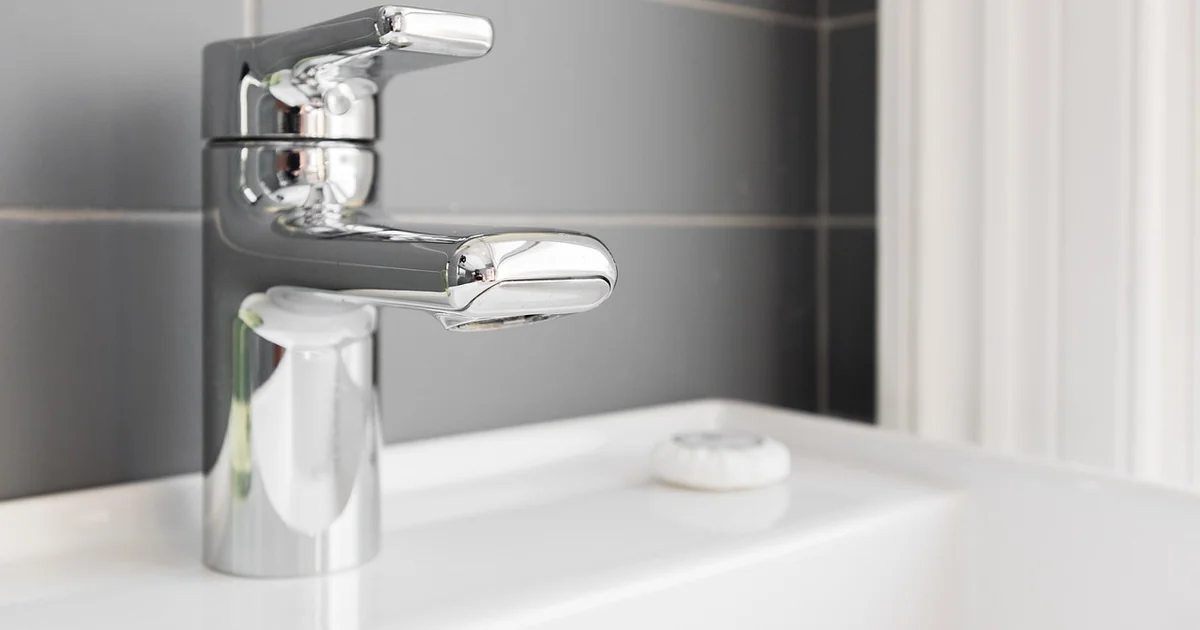
A traditional bathroom frequently features a bathing fixture as a sculptural centerpiece. A clawfoot or pedestal tub, especially if positioned in front of a window or under a statement chandelier, immediately evokes a sense of relaxation and luxury. For a more integrated look, a built-in soaking tub with a marble apron provides a solid, grounded feel. The surrounding hardware—often called the “jewelry” of the bathroom—is crucial. Cross-handle faucets, showerheads with a rounded, exposed pipe design, and towel rings with clear crystal details are all hallmarks. The current trend of mixing metal finishes is actually very traditional; a room might feature polished chrome for the shower fixture, brushed brass for the vanity faucet, and oil-rubbed bronze for the toilet paper holder. This layered approach feels curated rather than catalog-ordered.
5. The Layered Finish: Textiles, Lighting, and the Collected Touch
The final layer is what makes the room feel finished and personal. Lighting should be ambient and flattering. A central pendant or small chandelier provides general light, while sconces or swing-arm lamps mounted at mirror height are essential for task lighting without shadows. Textiles introduce softness and color: a plush bath mat, high-quality cotton towels in a complementary hue, and perhaps a simple window treatment like a Roman shade in a linen fabric. Finally, incorporate a few well-chosen accessories that serve a purpose while adding charm. A wooden stool beside the tub to hold a book and candle, a ceramic jar for cotton balls, a piece of art that resonates with you, or a small live plant. These are the elements that stop the room from feeling like a hotel and start feeling like your own timeless retreat.
You may also enjoy reading: 5 Flooring Trends Designers Say Are Going Everywhere in 2026.
Implementing Your Traditional Bathroom Vision
Bringing these traditional bathroom design ideas to life requires a blend of planning and trust in your own aesthetic instincts. Start by gathering inspiration, creating a physical or digital mood board. Notice what consistently draws your eye—is it the warmth of wood, the coolness of marble, or the pattern of tile? Next, identify your non-negotiables. If a deep soaking tub is a must, plan the layout around it. If ample storage is critical, focus on vanity solutions first. Always order samples of tiles, paint colors, and wood finishes. View them in the actual space at different times of day, as lighting dramatically changes how colors and textures are perceived. Remember, the most successful traditional spaces look effortlessly assembled, not designed in a single day. Allow yourself to find the perfect vintage mirror or the right piece of art over time, letting the room evolve into its fullest character.
Common Questions About Traditional Bathrooms
Can a traditional bathroom feel modern and fresh?
Absolutely. The key is in the editing and mixing. Pair a traditional clawfoot tub with a very simple, modern floor tile. Use classic shaker-style cabinetry but paint it a contemporary color like a deep slate blue or a warm greige. Choose traditional forms but in updated finishes; for example, a polished nickel faucet feels more current than overly ornate gold. The contrast between old and new is what keeps the look alive and interesting.
Is traditional bathroom design more expensive?
It can be, but it doesn’t have to be. Investment in key, hard-to-change elements like tile, flooring, and a quality tub is wise. You can then save on other areas. A stock shaker-style vanity can be painted and fitted with unique hardware. Beautiful but affordable ceramic tile can mimic the look of pricier stone. The “collected” aspect also allows you to incorporate less expensive vintage finds or family heirlooms that add immense character without a high cost.
What is the best wall color for a traditional bathroom?
Whites and off-whites are perpetually safe and brightening, especially in rooms with less natural light. For more depth, consider soft, historical colors like pale gray-green, creamy oyster, or a very light powder blue. If your tile and fixtures are bold, a quieter wall color provides a necessary balance. Always test samples on the wall and observe them for a full 24-hour cycle.
How do I add storage without compromising the style?
Look to furniture-style pieces. A freestanding wooden cupboard, a set of open shelving with matching baskets for concealment, or a wall-mounted medicine cabinet with a mirror front that looks like a framed picture. Recessed niches in the shower or beside the tub are also excellent, space-saving solutions that keep clutter off surfaces.
Can I achieve this look in a very small bathroom?
Yes, in fact, a clear, uncluttered traditional aesthetic can make a small space feel larger and more orderly. Use a light, consistent color palette. Choose a pedestal sink or a wall-mounted vanity to expose more floor space. Use large mirrors to reflect light. Select one or two small-scale traditional patterns, like a border tile or a classic floor design, to add interest without overwhelming the room. The principles of proportion and quality still apply, just on a more compact scale.
Creating a timeless traditional bathroom is an exercise in thoughtful curation rather than strict period reproduction. It’s about building a foundation of well-proportioned, quality materials and then layering in personality through fixtures, finishes, and found objects that speak to you. By focusing on harmony, contrast, and a collected sensibility, you design a space that isn’t tied to a fleeting trend but offers a lasting sense of calm and elegance—a true sanctuary for years to come.