Discovering a network of tiny surface tunnels crisscrossing your lawn or finding the bark mysteriously stripped from the base of a young fruit tree can feel like a personal affront after all your gardening care. Often, the culprit is a small, mouse-like rodent called a vole. Unlike their carnivorous cousins the moles, voles have a strictly vegetarian appetite that targets the very heart of your garden—the roots and stems. The good news is that you can reclaim your green space using safe and effective natural vole control methods.
Moles vs. Voles: Knowing Your Underground Adversary
Before declaring war on any burrowing creature, accurate identification is your first strategic move. Confusing a mole for a vole means you might be protecting the wrong plants or using ineffective tactics. While both are small and dark-furred, their biology and behavior are worlds apart.
Moles are insectivores, not rodents. They are solitary tunnelers with massive, paddle-like front paws designed for moving earth. Their primary diet consists of grubs, worms, and other soil-dwelling insects. The telltale signs of a mole are the large, raised ridges of soil they push up as they hunt and the distinct, conical “molehills” they create when excavating deeper chambers. Ironically, a mole’s extensive tunnel system often becomes a convenient highway for voles to travel undetected.
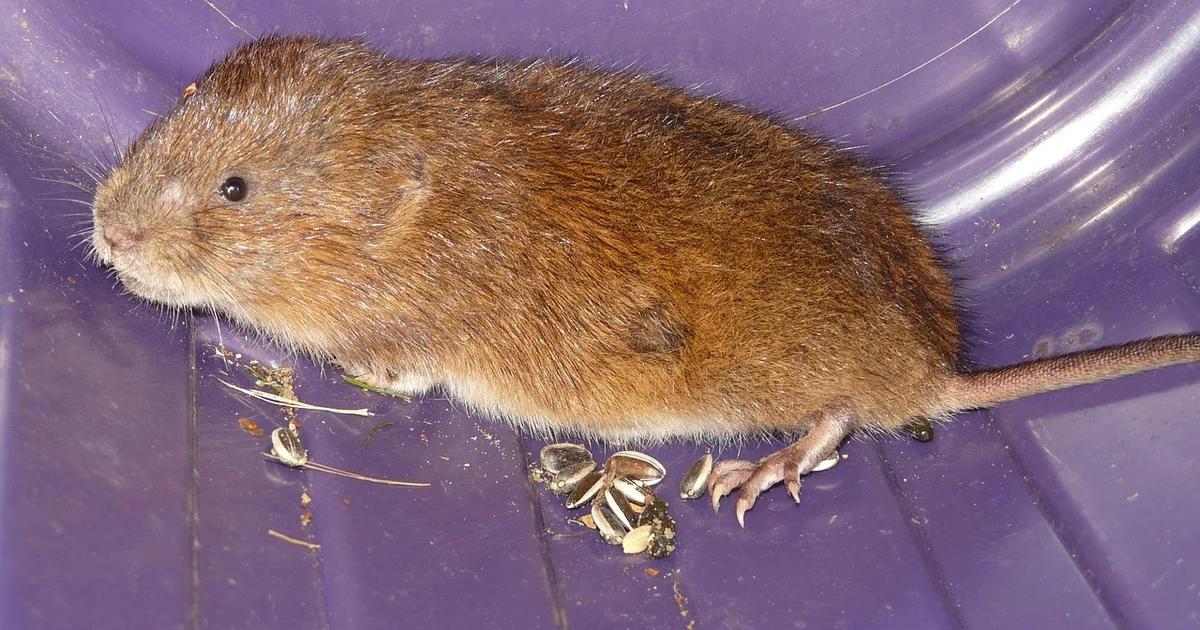
Voles, true rodents, are social creatures that live in colonies. They resemble plump field mice with shorter tails, rounded ears, and beady eyes. Their tunnels are shallow, about one to two inches below the surface, and appear as raised, snake-like runways through grass or mulch. You won’t see large dirt piles. Instead, look for clean, quarter-inch wide gnaw marks on tree bark, especially near the soil line, or for root vegetables and flower bulbs that have been hollowed out or completely vanished.
Why Natural Vole Control Methods Are the Superior Choice
It’s tempting to reach for a quick-fix poison bait when you see damage, but this approach is fraught with ecological peril. Voles are a crucial food source for predators like owls, hawks, foxes, and neighborhood cats. Poisoned voles can poison these beneficial animals in a process called secondary poisoning. Furthermore, poisons can leach into soil and groundwater, posing risks to pets and children. Natural strategies, in contrast, work with the ecosystem. They aim to make your garden an unappealing habitat or to physically block access, creating a sustainable, long-term defense without collateral damage.
1. The Hardware Cloth Fortress
This is arguably the most effective permanent solution in the gardener’s arsenal. Hardware cloth is a stiff wire mesh, typically with a 1/4-inch or 1/2-inch grid. To protect garden beds, create a fence by burying a strip at least 10 inches deep around the perimeter, bending the bottom outward into an “L” shape to deter diggers. For individual trees and shrubs, create cylindrical guards. Wrap the mesh around the trunk, ensuring it’s loose enough for growth, and bury the bottom several inches into the soil. This protects the critical root flare and lower bark, areas voles find irresistible, especially under winter snow cover.
2. Strategic Container and Raised Bed Gardening
For prized plants that are vole magnets—think tulip bulbs, dahlias, carrots, and potatoes—growing them above ground is a foolproof strategy. Use sturdy pots, fabric grow bags, or constructed raised beds. The key is to line the bottom of raised beds with hardware cloth before adding soil. This creates an impenetrable floor that prevents voles from tunneling upward. A 2018 study by the University of Nebraska Extension noted that raised beds with proper barrier bases saw a near 100% reduction in root crop loss from voles and other rodents.
3. Habitat Denial: The Clean Perimeter
Voles are creatures of cover. They thrive in tall grass, dense ground covers, and piles of leaf litter or mulch that provide protection from predators. By maintaining a clean, open buffer zone around your garden beds, trees, and lawn edges, you remove their security blanket. Keep grass mowed short, pull weeds promptly, and avoid piling mulch directly against tree trunks. Rake back fallen leaves in autumn. This simple practice of exposing them to open space can encourage a colony to relocate to a safer, thicker habitat elsewhere.
4. The Power of Unpleasant Scents
Voles navigate the world largely through scent, and certain strong odors act as potent repellents. You can harness this by planting a defensive perimeter of aromatic herbs and flowers. Excellent choices include alliums (like garlic and ornamental alliums), crown imperials (Fritillaria imperialis), daffodils (which are toxic to them), mint, and thyme. For a direct approach, create a spray using castor oil, a well-documented vole deterrent. Mix two tablespoons of castor oil and a tablespoon of dish soap in a gallon of water. Spray this solution around garden borders and tunnel entrances. Reapply after heavy rain.
5. Encouraging Natural Predators
This is a passive, long-term biological control method. By making your yard welcoming to vole predators, you introduce a natural population check. Install owl nesting boxes on tall poles around your property’s perimeter. Avoid using rodenticides, which kill these helpful hunters. Leave some brush piles in out-of-the-way corners to provide shelter for snakes like garter snakes, which consume vole pups. Even the presence of an outdoor cat can create a “landscape of fear” that discourages vole activity, though cats are not always reliable hunters.
6. Disruptive Soil Cultivation
Voles invest significant energy in their shallow tunnel networks. Regularly disturbing the soil in fallow garden areas and along lawn edges can collapse their highways and destroy nesting chambers. Use a rototiller, a garden fork, or even a stiff rake to turn over the top few inches of soil in known infestation areas. This is most effective in late fall after harvest and in early spring before major planting. The disruption not only ruins their infrastructure but also exposes them to predators.
7. Ultrasonic and Vibrating Stake Devices
These electronic tools emit sounds or vibrations that are irritating to burrowing rodents but inaudible to humans and pets. Solar-powered vibrating stakes are particularly low-maintenance. The key to effectiveness is density; a single device won’t protect an entire yard. Place them every 15 to 20 feet in areas of high activity. While results can vary, many gardeners find they provide a useful layer of defense when combined with other methods, especially in open lawn areas.
8. Live Trapping and Relocation
For a hands-on, humane approach, live trapping can reduce local population numbers. Use small mouse-sized live traps baited with apple slices, peanut butter, or a piece of potato. Place them directly in or perpendicular to active surface runways. Check traps frequently, at least twice a day. Relocate captured voles at least two miles away in a suitable wild habitat like a dense field or woodland, ensuring it’s legal to do so in your area. Always wear gloves when handling traps to avoid transferring your scent.
You may also enjoy reading: 7 Ways to Grow & Care for Common Foxglove.
9. The Gravel Trench Barrier
This is a durable, low-tech alternative to hardware cloth for defining garden borders. Dig a trench about 6 inches wide and 10 inches deep around the area you wish to protect. Fill it with sharp, coarse gravel or crushed stone. Voles are reluctant to dig through this abrasive, shifting material as it irritates their feet and claws and doesn’t hold a tunnel shape. It also provides excellent drainage for your garden beds.
10. DIY Spicy Repellent Sprays
Beyond castor oil, you can create a homemade capsaicin spray from hot peppers. Blend a handful of hot chili peppers (like habaneros or cayennes) with two cloves of garlic and a quart of water. Boil the mixture for 15 minutes, let it cool, strain it, and add a teaspoon of biodegradable dish soap as a sticker. Spray it on plant stems, bulbs, and around garden borders. The spicy residue is a powerful irritant. Be sure to wear gloves and eye protection when making and applying it, and clearly label the bottle.
11. Flood Irrigation for Tunnel Eviction
If you’ve pinpointed an active tunnel system, a gentle flood can encourage evacuation. Insert a garden hose into a main tunnel entrance and run water at a moderate flow for 10-15 minutes. The goal is to saturate the tunnels without creating a muddy swamp. This method is best for isolated infestations in lawn areas and works by making the living quarters uninhabitable. It’s often most effective in the drier months when voles are less expecting a deluge.
Frequently Asked Questions About Natural Vole Control
What time of year are voles most destructive?
Voles are active year-round, but damage is often most severe in late fall and winter when other food sources are scarce. They gnaw on tree bark and roots under the protection of snow, a period gardeners call the “subnivean zone.” Spring reveals the damage as snow melts, showing girdled trees and surface runways.
Will coffee grounds repel voles?
While coffee grounds are a popular garden amendment, evidence for their effectiveness as a vole repellent is largely anecdotal. The strong scent may offer a temporary, mild deterrent when freshly scattered, but it is not a reliable standalone solution compared to more proven methods like physical barriers or castor oil sprays.
How deep do voles burrow?
Voles are shallow diggers. Their foraging tunnels typically run just 1 to 2 inches below the surface. Their nesting chambers are deeper, usually between 4 to 8 inches down. This is why burying barriers at a 10-inch depth is so effective—it goes well below their typical digging range.
Can voles infest house foundations like mice?
It is very uncommon. Voles are almost exclusively outdoor, herbivorous rodents focused on green vegetation and seeds. They lack the adaptive behavior of house mice to seek shelter and human food indoors. If you have indoor rodent issues, you are likely dealing with mice or rats, not voles.
Do mothballs work to get rid of voles?
Using mothballs outdoors for pest control is not recommended and is often illegal. Mothballs are pesticides designed for sealed, indoor use to kill clothes moths. Outdoors, they degrade quickly, contaminate soil and water, and pose a significant poisoning risk to pets, children, and wildlife. They are an ineffective and hazardous choice for vole control.
Successfully managing a vole population requires patience and a multi-pronged strategy. Start by correctly identifying the pest, then combine physical exclusion like barriers with habitat modification and natural repellents. By consistently applying these natural vole control methods, you can protect your garden’s investment and enjoy its bounty without resorting to harmful chemicals, fostering a healthier yard for everyone—except the voles.