You start seeds indoors, water them carefully, and watch for the first tiny leaves. Then one morning, you spot it. A pale yellow tint where there should be deep green. Your heart sinks a little. Yellow leaves on young tomato plants happen to nearly every gardener at some point. The good news is that this problem, known scientifically as chlorosis, usually has a straightforward cause. For mature plants, yellowing might signal the end of the season. Most of the time, you can reverse the issue quickly.
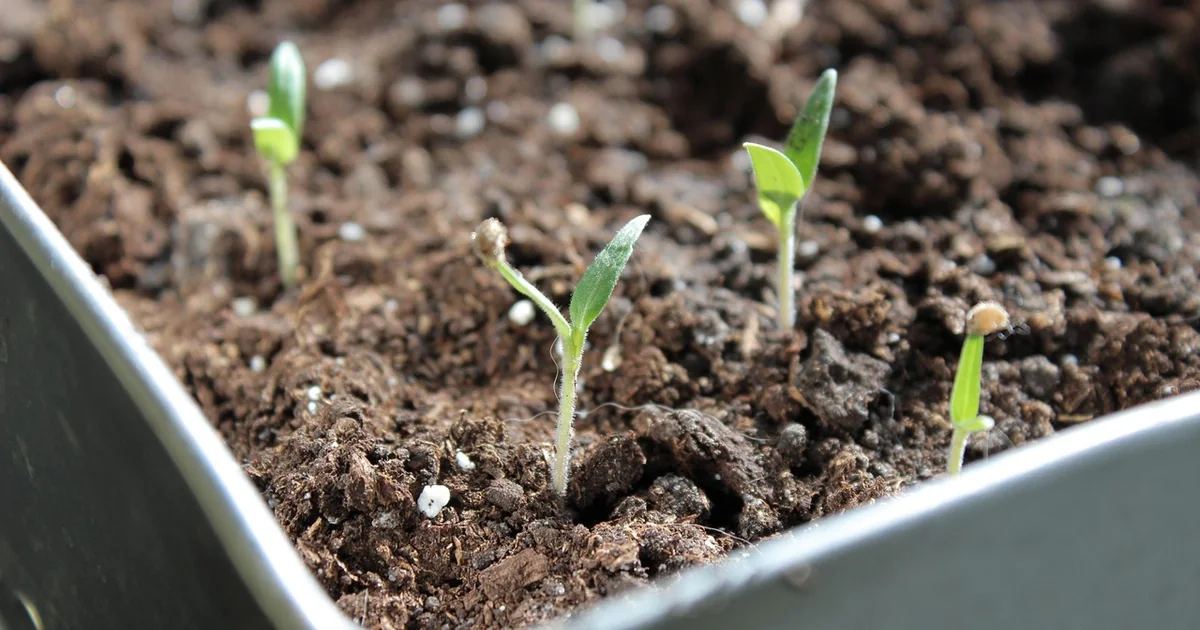
The number one culprit behind yellowing seedlings is giving them too much water. It sounds counterintuitive. You want your young plants to thrive, so you keep the soil damp. But tomato roots need oxygen as much as they need moisture. When the soil stays soggy, water fills the tiny air pockets between soil particles. The roots cannot breathe. They begin to suffocate and eventually rot.
Root rot prevents the plant from absorbing nutrients from the soil. Even if your potting mix is rich with fertilizer, the damaged roots cannot deliver those nutrients to the leaves. The leaves then turn yellow because they lack the nitrogen and other elements they need to produce chlorophyll. This is why tomato seedlings yellow so often trace back to a watering can that gets used too frequently.
How do you know if you are overwatering? Stick your finger about an inch into the soil. If it feels wet or muddy, you have a problem. The soil should feel moist, like a wrung-out sponge, not like a soaked towel. Check your containers as well. Every pot or seed tray must have drainage holes at the bottom. Without those holes, water collects in the base and drowns the roots.
If your seedlings are already suffering from too much water, stop watering immediately. Let the soil dry out for a few days. Move the tray to a warmer spot with good airflow to speed up evaporation. If the container itself has no drainage, repot the seedlings into a proper pot with holes. Use a light, well-draining potting mix designed for seed starting. Heavy garden soil holds too much moisture and compacts easily.
When Underwatering Causes Yellow Leaves
Watering too little creates the opposite problem, but the result looks similar. Tomato seedlings that do not get enough water cannot move nutrients from the soil up through their stems. The plant becomes stressed. Its leaves lose their firm structure and start to pale. Underwatered seedlings often look droopy as well as yellow. The leaves may feel thin and papery instead of plump.
This issue is easy to fix if you catch it early. Young tomato plants need consistent moisture every single day. The top layer of soil should never be completely dry and cracked. Check your seed trays each morning and evening. If the surface looks dry, water gently. Use a watering can with a fine rose attachment or a spray bottle. Direct the water toward the base of the stems, not over the leaves. Wet leaves can encourage fungal diseases.
A good rule of thumb is to water when the top half-inch of soil feels dry to the touch. Do not wait until the plant wilts. Wilting causes permanent damage to the tiny root hairs that absorb water. Once those root hairs die, the plant struggles even after you water. Keep the soil consistently moist but never drenched. This balance takes practice, but your seedlings will reward you with strong green growth.
Nutrient Deficiencies That Make Tomato Seedlings Yellow
If you have mastered your watering routine and the leaves are still turning yellow, look at nutrition. Seedlings need a steady supply of nutrients to build healthy cells and produce chlorophyll. The most common deficiency in young tomatoes is nitrogen. Nitrogen is the nutrient that drives leafy green growth. Without enough of it, the plant starts to break down chlorophyll in older leaves to get the nitrogen it needs for new growth.
How can you tell if nitrogen is the problem? The yellowing will begin on the lowest leaves first. Those are the oldest leaves on the plant. They turn pale yellow while the upper leaves near the growing tip stay green. If the deficiency continues, the yellowing moves upward. The lower leaves may eventually turn brown and fall off. This pattern is a clear sign that your seedlings need more nitrogen.
Less often, a lack of iron or potassium causes yellowing. Iron deficiency shows up on the newest leaves at the top of the plant. The leaf veins stay green while the tissue between them turns yellow. This is called interveinal chlorosis. Potassium deficiency causes yellow or brown edges on older leaves. These issues are rarer in seedlings but can happen if your potting mix lacks diversity.
The best way to prevent nutrient problems is to start with a rich growing medium. Mix compost into your seed-starting soil before you plant. Compost provides a slow-release supply of micronutrients and beneficial microbes. After the first true leaves appear, begin feeding your seedlings with a balanced liquid fertilizer. Look for a product labeled for vegetables or seedlings. Dilute it to half the recommended strength. Young roots are sensitive and can burn on full-strength fertilizer.
Apply the diluted fertilizer every two to three weeks. Water the seedlings with the solution instead of plain water on those feeding days. Continue this routine until you transplant them into the garden. Consistent feeding keeps your tomato seedlings yellow free and supports strong stem development.
Insufficient Light Leads to Pale, Leggy Seedlings
Tomato seedlings crave light. They evolved to grow in full sun, and they need intense brightness to photosynthesize properly. When they do not get enough light, they cannot produce enough chlorophyll. The leaves turn pale yellow or even white. The stems stretch out, reaching toward any light source. This creates tall, weak, leggy plants that flop over easily.
Indoor seedlings often suffer from low light. A windowsill may seem bright to your eyes, but the actual light intensity is much lower than direct outdoor sun. Seedlings need 12 to 16 hours of bright light every single day. If your home cannot provide that, you must use artificial lighting. A simple shop light with fluorescent or LED tubes works perfectly. Place the lights just a few inches above the tops of the seedlings. As the plants grow, raise the lights to maintain that close distance.
Without enough light, even proper watering and fertilizing will not fix the yellowing. The plant simply cannot convert those resources into energy. If you are using a sunny window, rotate the seed trays every day. This ensures all sides of the seedlings receive equal light. One side should not grow taller or yellower than the other. If you use artificial lights, set them on a timer. A consistent day-night cycle helps seedlings develop sturdy stems and deep green leaves.
Watch the color of your seedlings closely after you adjust their light. Within three to five days, new growth should appear greener. Older yellow leaves may not recover fully, but the plant will outgrow them. Focus on the new leaves at the top. If they come in green, your light problem is solved.
Diseases That Cause Yellowing in Tomato Seedlings
Most yellowing issues come from water, nutrients, or light. But sometimes a disease is the real problem. Fungal infections are the most common disease in young tomato plants. They thrive in cool, damp, poorly ventilated conditions. If your seedlings are crowded together with no airflow, fungus can take hold quickly. The leaves may develop yellow spots, brown patches, or a white powdery coating.
One common fungal disease is damping off. This disease attacks seedlings at the soil line. The stem becomes thin and water-soaked, and the plant topples over. The leaves may turn yellow before the stem collapses. Damping off spreads fast in wet, cold soil. Prevention is your best defense. Use sterile seed-starting mix instead of garden soil. Garden soil often contains fungal spores. Clean your pots and trays with a bleach solution before reusing them.
Fusarium wilt and verticillium wilt are soil-borne fungi that cause yellowing and wilting. These diseases are more common in older plants, but they can affect seedlings if the soil is contaminated. The lower leaves turn yellow first, then the whole plant wilts. Unfortunately, there is no cure for these wilts. Remove and discard affected plants immediately. Do not compost them. The fungus can survive in compost and infect next year’s crop.
You may also enjoy reading: May Lawn Care Guide: 5 Essential Tasks for Thicker Grass.
Bacterial infections are less common but more aggressive. Bacterial spot and bacterial speck create small dark spots on leaves. The tissue around the spots turns yellow. These bacteria spread through splashing water and contaminated hands. If you suspect a bacterial problem, isolate the affected seedlings. Water at the base of the plants to keep leaves dry. Remove any leaves with spots and dispose of them in the trash.
Viral infections are rare in seedlings grown from fresh seed. But they can happen if you save seed from infected plants. Viruses cause mottled yellow patterns on leaves and stunted growth. There is no treatment for viral diseases. Prevention through clean gardening practices is the only strategy.
If you have ruled out watering, nutrients, and light, and the yellowing persists, consider disease. Look closely at the leaves and stems for spots, mold, or unusual patterns. Compare your seedlings to photos of common tomato diseases online. Early detection gives you the best chance to save your healthy plants by removing the sick ones.
How to Diagnose Your Yellow Tomato Seedlings
When you see yellow leaves, do not guess. Follow a simple diagnostic process. Start with the most common cause and work your way down. First, check the soil moisture. Stick your finger into the pot. Is it soggy or bone dry? Adjust your watering accordingly. Wait three days and observe any changes.
If watering does not help, look at the light. Are your seedlings stretching toward the window? Are the stems long and thin? Move them to a brighter spot or add artificial lights. Give them a few days to respond.
Next, examine the pattern of yellowing. Are the lower leaves yellow while the top leaves are green? That points to nitrogen deficiency. Are the newest leaves yellow with green veins? That suggests iron deficiency. Feed your seedlings with a balanced fertilizer and see if new growth improves.
Finally, inspect for disease. Look for spots, mold, or wilting. Check the stems for dark rings or soft spots. If you find any of these signs, remove the affected plant immediately. Do not let it spread to your healthy seedlings.
Keep a simple garden journal. Write down when you water, what you feed, and how much light your seedlings get. This record helps you spot patterns and avoid repeating mistakes next season. Gardening is a learning process. Every yellow leaf teaches you something about what your plants need.
Frequently Asked Questions About Tomato Seedlings Yellow
Can yellow tomato seedlings turn green again?
Yes, in most cases. Once you correct the underlying problem, new growth will appear green. The existing yellow leaves may not fully recover, but the plant will grow fresh healthy leaves. Focus on the new growth as a sign of recovery.
Should I remove yellow leaves from tomato seedlings?
Leave them on unless they are completely dead or diseased. Yellow leaves still photosynthesize a little and provide energy to the plant. If a leaf is fully brown and crispy, you can trim it off with clean scissors. Do not remove more than one-third of the leaves at once.
How often should I water tomato seedlings?
Check the soil daily. Water when the top half-inch feels dry. This might mean watering every day in warm conditions or every other day in cooler rooms. The goal is consistent moisture without sogginess.
What is the best fertilizer for yellow tomato seedlings?
A balanced liquid fertilizer with equal parts nitrogen, phosphorus, and potassium works well. Look for a 10-10-10 or 5-5-5 formula. Dilute it to half strength and apply every two to three weeks after the first true leaves appear.
Can too much light cause tomato seedlings to yellow?
Extreme heat from lights placed too close can stress seedlings and cause leaf bleaching or yellowing. Keep fluorescent or LED lights about two to three inches above the plants. If the leaves look scorched or pale, raise the lights slightly.