What Is the Average Air Conditioner Lifespan by Type?
Air conditioners tend to hum along quietly in the background until the day they stop working entirely. Most homeowners rarely give their cooling system a second thought during the cooler months. Then summer arrives with its sweltering heat, and suddenly that neglected unit becomes the most important appliance in the house. Understanding the typical air conditioner lifespan for different system types helps you plan ahead and avoid unexpected breakdowns on the hottest day of the year.
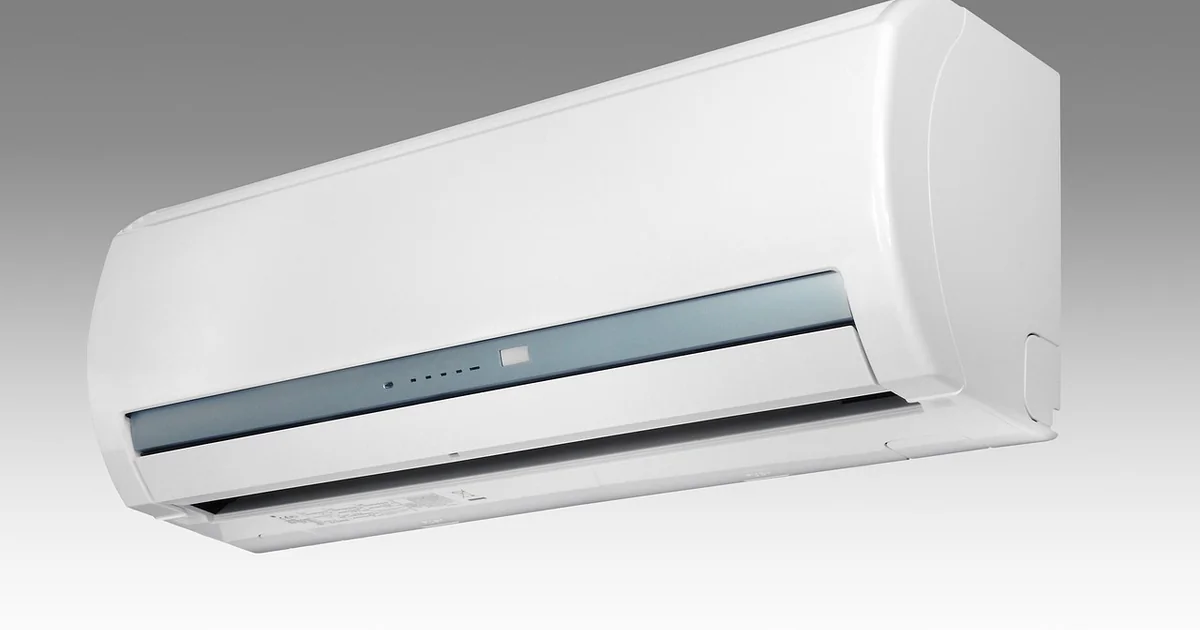
Each category of air conditioner comes with its own expected service window. The numbers vary depending on build quality, installation precision, and how diligently you maintain the equipment. Let’s break down what you can realistically expect from the three most common configurations found in homes today.
Central HVAC Systems
Centrally installed heating, ventilation, and air conditioning systems represent the backbone of whole-home comfort in many regions. According to industry data collected across multiple manufacturers, a well-maintained central HVAC system typically delivers reliable service for 10 to 20 years. The 15-year mark often serves as a practical midpoint where owners begin weighing repair costs against replacement value.
A central system involves two major components working in tandem: the outdoor condenser unit and the indoor air handler or furnace. Both pieces age together, and replacing just one half usually creates efficiency mismatches that shorten the overall air conditioner lifespan. If your condenser fails after 14 years, installing a matching new indoor coil alongside it makes more financial sense than patching an old pairing.
Ductless Mini-Split Systems
Ductless mini-split systems have gained popularity over the past decade for their flexibility and energy efficiency. These units use inverter-driven compressors that adjust speed continuously rather than cycling on and off at full power. That gentler operating pattern reduces mechanical stress significantly.
When properly cared for, a ductless mini-split can last around 20 years or even slightly longer. The indoor wall-mounted heads require periodic cleaning of their washable filters, and the outdoor compressor benefits from the same seasonal attention any condenser needs. Homes using mini-splits in moderate climates with consistent maintenance often report passing the two-decade mark without major repairs.
Window and Wall Units
Smaller self-contained units face different challenges than their central counterparts. Window air conditioners typically last between 8 and 10 years under normal usage. Wall-mounted through-the-wall units fall into a similar range, though models designed specifically for permanent installation sometimes age more gracefully than seasonal window inserts that get removed and reinstalled every year.
The compact design of these units means components operate in tighter quarters. Dust accumulates faster, drainage passages clog more readily, and the single motor handles both the compressor and the fan. That integrated workload contributes to a shorter overall air conditioner lifespan compared to split systems where components are distributed across separate boxes.
5 Tips to Maximize Your Air Conditioner Lifespan
Nobody wants to face a sudden cooling system failure in July. The five strategies below address the most common causes of premature breakdowns. Each tip targets a specific weak point that shortens equipment life, giving you actionable steps to protect your investment for years longer than the average homeowner achieves.
Tip 1: Choose the Correct Unit Size for Your Space
Size mismatches rank among the most overlooked factors that degrade an air conditioner lifespan. An undersized unit runs continuously, struggling to keep up with the heat load. The compressor never gets a rest cycle, internal temperatures climb, and components wear out far ahead of schedule. Electricity bills spike because the motor draws power for hours on end without ever hitting the set temperature.
An oversized unit creates a different but equally damaging problem. It cools the room quickly then shuts off before running long enough to dehumidify properly. The short cycling causes repeated startup surges that strain the compressor and the electrical contacts. In either scenario, a professionally performed load calculation using the Manual J method prevents these issues before installation day. That calculation accounts for square footage, window orientation, insulation levels, and local climate data to find the Goldilocks size that keeps runtime in the sweet spot.
Tip 2: Commit to Year-Round Maintenance, Not Just Summer Tune-Ups
Most homeowners remember to schedule a maintenance visit when temperatures start climbing in May or June. Fewer think about their cooling system during the winter months. Air conditioner lifespan depends heavily on year-round care because debris, moisture, and temperature swings affect equipment even when the unit is not running.
Schedule two professional inspections annually. The first should occur in spring before you begin relying on the system daily. The second belongs in early autumn before the heating season begins. During these visits, a technician checks refrigerant levels, inspects electrical connections, cleans condenser coils, and verifies that the drain line flows freely. These bi-annual checkups catch small issues like a loose belt or a failing capacitor before they snowball into major failures that force an early replacement.
Tip 3: Replace or Clean Air Filters Every 30 to 90 Days
This single habit probably offers the highest return on time invested of any maintenance task you can perform. A dirty filter restricts airflow, forcing the blower motor to work harder and reducing the system’s ability to remove heat from the indoor air. The evaporator coil can actually freeze over when airflow drops below the design threshold, leading to liquid refrigerant returning to the compressor and causing mechanical damage.
Standard fiberglass filters should be replaced monthly during peak usage months. Higher-quality pleated filters with a MERV rating of 8 to 13 can stretch to every 90 days in many homes, but check them visually every month anyway. Homes with shedding pets or construction dust nearby need more frequent changes. Mark the date on a calendar or set a phone reminder so this task does not slip your mind during busy seasons.
Tip 4: Protect the Outdoor Unit from Environmental Damage
The condenser unit sitting outside your home faces rain, pollen, grass clippings, falling leaves, and curious animals throughout the year. Debris accumulation around and inside the unit blocks airflow across the condenser coils. When the coils cannot dissipate heat efficiently, the compressor must run longer and at higher pressures to achieve the same cooling effect. That extra strain directly reduces the air conditioner lifespan.
Maintain at least two feet of clearance around all sides of the outdoor unit. Trim back shrubs and weeds that grow close to the cabinet. Remove leaves and debris from inside the unit’s grille using a soft brush or a vacuum attachment—never a pressure washer that can bend the delicate aluminum fins. During winter months in snowy climates, cover the top of the unit with a breathable cover or a plywood board held in place by bricks, leaving the sides open to prevent moisture trapping and rodent nesting.
Tip 5: Use Programmable Thermostats and Timers Strategically
Running your air conditioner at full capacity while nobody is home wastes energy and accumulates runtime hours unnecessarily. A programmable thermostat lets you set the temperature back by 7 to 10 degrees during times when the house is empty. That reduction cuts cooling demand by roughly 10 percent for each degree of setback, according to energy research data.
Smart thermostats take this concept further by learning your schedule and adjusting automatically. They also provide runtime data that helps you spot equipment problems early. If you notice the system running significantly more hours per day than usual without a corresponding change in outdoor temperatures, the unit may be losing efficiency due to a refrigerant leak or failing components. Catching those trends early lets you schedule repairs while the problem is still small, protecting your overall air conditioner lifespan from premature termination.
You may also enjoy reading: 5 Tasks Real Estate Agents Say to Skip Before Selling.
Factors That Determine How Long an Air Conditioner Lasts
Beyond the maintenance tips above, several inherent factors influence equipment longevity. Understanding these forces helps you set realistic expectations and make informed purchasing decisions when replacement time eventually arrives.
Usage Patterns and Runtime Habits
An air conditioner experiences the most mechanical stress during the startup phase when the compressor must overcome static pressure and begin moving refrigerant. Systems that cycle on and off frequently accumulate more startup events than units that run for longer continuous periods. That reality creates a paradox: running a unit constantly at low temperatures can wear it out faster, but short cycling from an oversized system does even more damage.
The sweet spot involves letting the system run in longer cycles with fewer total starts per day. Using a thermostat that allows a reasonable temperature swing, around 2 to 3 degrees before restarting, reduces startup frequency. Units operated in eco mode or with a gradual temperature setpoint rather than an aggressive deep cool setting tend to log more total hours but fewer damaging start events.
Climate and Geographic Location
Where you live dramatically shapes the demands placed on your cooling equipment. Homes in hot arid regions like the Southwest United States may run their air conditioners for 2,500 hours or more per year. Coastal properties contend with salt spray that accelerates corrosion of aluminum coils and steel cabinet panels. Areas with poor outdoor air quality, such as regions affected by wildfire smoke or industrial pollution, load the system with fine particulate matter that clogs filters more quickly and abrades moving parts over time.
Installation location on your property also matters. Units placed on the south or west side of a house absorb more direct sunlight during the hottest part of the day. Shading the unit with a lattice, an awning, or careful landscaping can reduce the temperature of the air entering the condenser by several degrees, lowering the workload on the compressor and extending the practical air conditioner lifespan by a measurable margin.
Unit Quality and Manufacturing Advances
Not all air conditioners are built to the same standard. Entry-level models from big-box stores often use single-speed compressors, basic fan motors, and thinner gauge metal that corrodes faster. Premium models from established HVAC manufacturers include features like two-stage or variable-speed compressors, corrosion-resistant coil coatings, and heavy-duty cabinet construction that resists weather damage for decades.
Newer models also benefit from refrigerant advancements. Systems built after 2010 use R-410A refrigerant rather than the older R-22 that is being phased out due to environmental regulations. Units manufactured after 2023 increasingly use R-32 or other low-global-warming-potential refrigerants. These newer formulations operate at different pressures and require different service practices, but the compressor technology paired with them generally offers better reliability and longer service life than equipment designed even 15 years ago.
Signs That Your Air Conditioner May Need Replacement Soon
Even with flawless care, every cooling system eventually reaches the end of its useful life. Recognizing the warning signs early gives you time to budget for a replacement rather than scrambling for emergency financing on a sweltering weekend.
If your energy bills have climbed steadily over two or three summers without a corresponding change in your usage habits, the system’s efficiency has likely degraded. A 30 percent or greater increase in cooling costs year over year often signals that the compressor is losing pumping efficiency or the coils have become fouled beyond what cleaning can restore.
Strange noises deserve attention as well. Grinding or squealing sounds during startup may indicate worn bearings in the fan motor or compressor. Hissing or bubbling noises often point to refrigerant leaks that not only reduce cooling performance but also damage the compressor over time as it runs with insufficient lubrication.
The age of your unit provides the most straightforward clue. Central systems older than 15 years and window units past the 8-year mark should be evaluated carefully before investing in major repairs. A rule of thumb used by many HVAC professionals suggests that if the repair cost exceeds 50 percent of the replacement cost and the unit is past its median expected lifespan, replacement makes better financial sense than another round of fixes.
Air conditioners occupy that strange category of home appliances where out of sight too often means out of mind. By understanding the realistic air conditioner lifespan for your specific system type and practicing the five maintenance strategies outlined above, you can push your equipment toward the upper end of its service window. The effort pays for itself in lower utility bills, fewer emergency service calls, and the quiet confidence that your home will stay comfortable when the summer heat arrives.