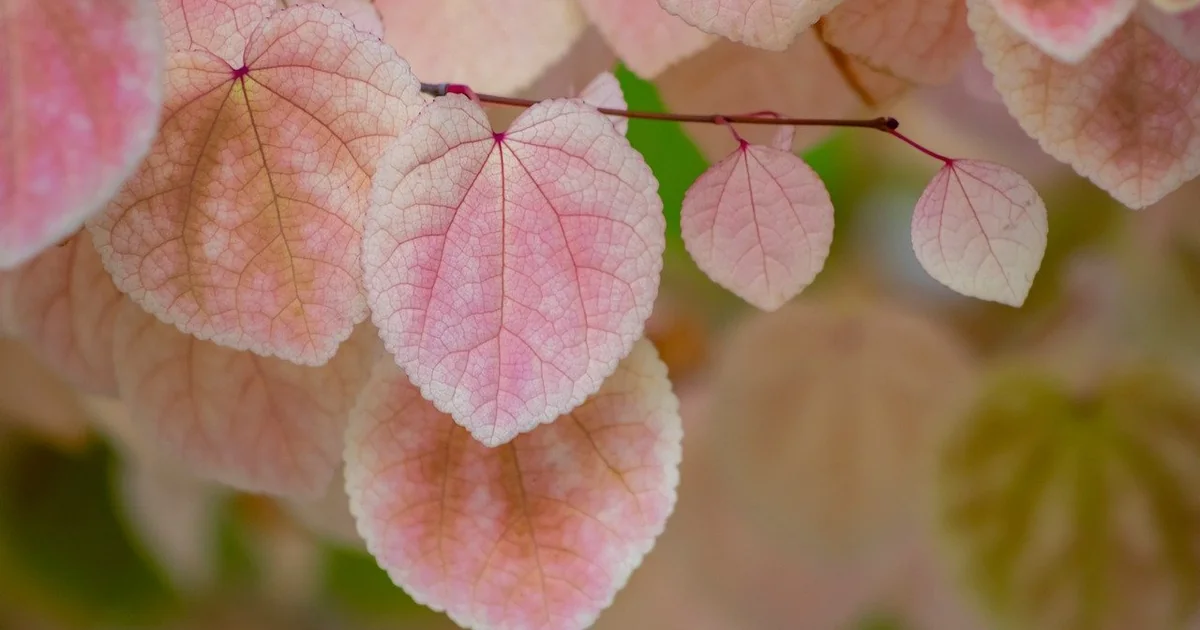
There are few trees that put on a show quite like the Katsura. Its heart-shaped leaves emerge a soft bronze in spring, shift to a cool blue-green in summer, and then erupt into a blaze of orange and gold as autumn arrives. This Japanese native can grow 40 to 60 feet tall with an equally wide canopy, making it a stunning centerpiece for a spacious yard. But successfully growing a Katsura tree requires more than just digging a hole and hoping for the best. The shallow roots, weak wood, and specific watering needs can trip up even experienced gardeners. These five practical tips will guide you through every stage of growing katsura tree, from choosing the perfect spot to propagating your own saplings.
5 Essential Tips for Successfully Growing a Katsura Tree
Tip 1: Select a Site With Room to Grow and Protection From Wind
Before you bring home a Katsura, take a hard look at your yard. This tree needs space — at least 40 feet of clearance in every direction. Its mature height and spread easily reach 40 to 60 feet, so planting too close to a house, driveway, or sidewalk invites trouble.
The shallow root system is particularly problematic. Roots can grow up to 6 inches in diameter and lift concrete, create tripping hazards, and make mowing nearly impossible. Instead of fighting those roots with turfgrass, plan to cover the soil beneath the canopy with a 2-inch layer of mulch year-round. Mulch keeps the roots cool, retains moisture, and eliminates mowing headaches.
Katsura wood is brittle and prone to breaking in strong winds. Choose a location that offers some shelter from gusts, such as near a fence line or behind a row of evergreens. Avoid planting directly beside a walkway or driveway where falling limbs could cause injury or damage. In southern regions, provide protection from hot afternoon sun by placing the tree where it receives morning light and afternoon shade.
The tree adapts to a wide pH range — from 5.0 to 8.2 — and tolerates clay, loam, and sandy soils as long as drainage is good. Slightly acidic to slightly alkaline conditions all work fine. The real non-negotiable is consistent moisture, especially during the first few years.
Tip 2: Plant in Spring or Early Summer With the Root Ball at the Right Level
Timing matters for growing katsura tree successfully. Plant in spring or early summer, after the last frost has passed. This gives the roots the entire growing season to establish before winter arrives.
Dig a hole at least twice as wide as the root ball but no deeper. The top of the root ball must sit level with the surrounding soil — burying it too deep encourages rot and suffocates the roots. Place the tree in the center, backfill with the original soil you removed, and tamp it down firmly to remove air pockets.
Water thoroughly immediately after planting. Then spread a 2-inch layer of mulch over the root zone, keeping it a few inches away from the trunk to prevent bark decay. This mulch layer reduces evaporation, moderates soil temperature, and suppresses weeds. Space multiple Katsura trees at least 40 feet apart so their canopies do not compete for light or their roots for water.
Tip 3: Water Consistently — Especially During the First Two Years
Drought tolerance is low in Katsura trees, particularly while young. Newly planted specimens need about 10 gallons of water per week during the first growing season. That may sound like a lot, but it encourages a deep, extensive root system that will support the tree for decades.
During the second year, gradually reduce watering as the roots expand. Established trees still require supplemental water during prolonged dry spells, especially in hot, dry weather. The tree originates from a temperate climate with freezing winters and warm summers, so it handles high humidity well in cool to moderate conditions but wilts under intense, arid heat.
One warning sign to watch for: premature leaf drop in mid-summer. If the leaves begin falling before autumn, the tree is likely stressed from lack of water. Increase watering frequency and check soil moisture a few inches below the surface. A soaker hose or drip irrigation placed under the mulch delivers water slowly and deeply, which is far better than a quick sprinkling.
Tip 4: Prune Annually in Late Winter to Build a Strong Structure
Katsura trees naturally grow with multiple trunks, though nurseries often train them as single-trunk specimens. Either form can work, but regular pruning is essential to prevent weak crotches and overcrowded branches.
You may also enjoy reading: 7 Best Gardening Gloves for Every Task in 2026.
Each year in late winter, while the tree is still dormant, remove any branches that cross or rub against each other. Also cut out limbs that are growing out of bounds or drooping low enough to interfere with foot traffic. As the tree matures, lower branches tend to sag, so you will need to raise the canopy gradually over time.
Because the wood is brittle, making clean cuts close to the branch collar helps the tree heal quickly and reduces the risk of decay. Never remove more than one-quarter of the living canopy in a single season. If you inherit an older, neglected Katsura, spread corrective pruning over two or three years to avoid shocking the tree.
Fertilizer is rarely needed if the soil is rich. If you do need to boost growth — because the soil is poor or the tree seems sluggish — wait at least one year after planting. Then apply a granular, slow-release tree and shrub fertilizer in early spring, following the package directions for the tree’s size.
Tip 5: Propagate Your Own Katsura From Semi-Hardwood Cuttings
One of the most rewarding aspects of growing katsura tree is that you can create new trees from cuttings. Mid-summer is the ideal time, when the current season’s growth has begun to firm up but is not yet fully woody.
Take a stem cutting about 6 inches long, cutting just below a leaf node (the point where a leaf attaches to the stem). Remove the lower leaves, dip the cut end in rooting hormone powder, and insert it into a pot filled with damp potting mix. Cover the pot with a clear plastic bag or a propagation dome to maintain high humidity. Place it in bright, indirect light — not direct sun — and keep the mix consistently moist.
After several weeks, check for roots by gently tugging on the cutting. Once you feel resistance and see new growth emerging, remove the plastic cover. Let the young plant grow in the pot for another full growing season before transplanting it to the garden. This patience pays off with a sturdy sapling that will begin its own cycle of seasonal color.
Katsura trees are remarkably pest-free and disease-resistant, so your propagated tree will likely thrive with the same basic care as the parent. The biggest threat is dry summer weather, which can cause leaf scorch or premature drop. Keep the soil moist, and your homegrown Katsura will reward you for years.
With these five tips in hand, you are ready to add this graceful, low-maintenance tree to your landscape. Its ever-changing foliage, from bronze through blue-green to fiery autumn tones, will become a cherished part of your garden’s rhythm. Give it the space, water, and occasional pruning it needs, and the Katsura will grow into a living landmark that future generations will admire.