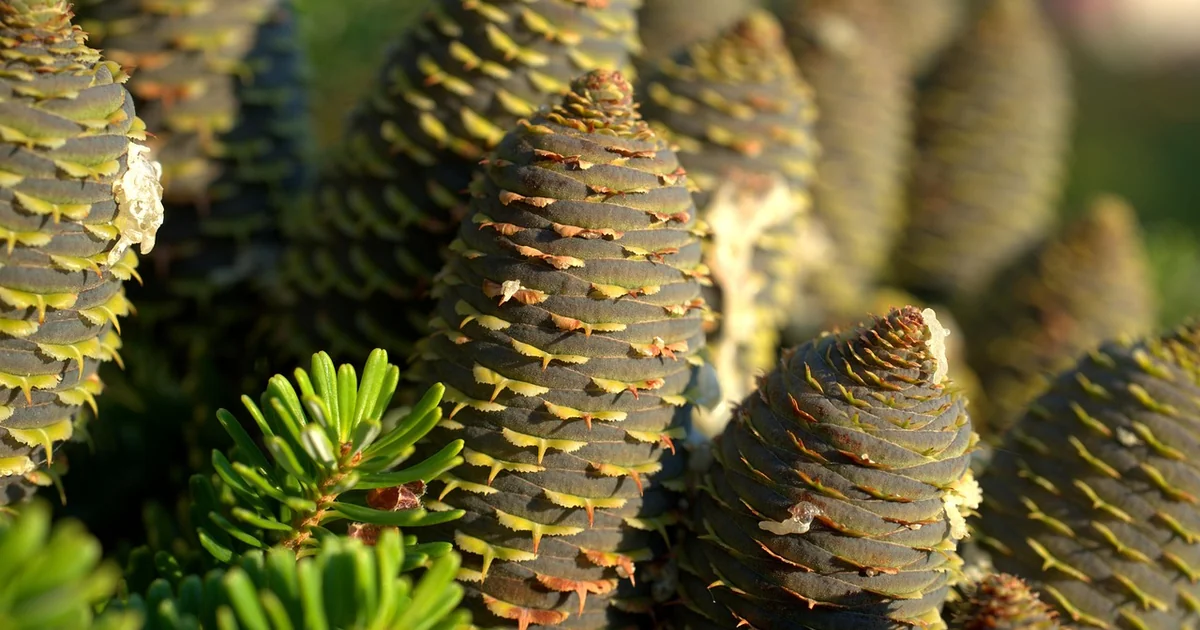
Spruce trees (genus Picea) bring a distinct architectural presence to any landscape, marked by their conical form and the unique pulvinus — the swollen base where each needle attaches. This structural precision mirrors their growing needs: they thrive on consistency, cool temperatures, and careful placement. For many homeowners, successful planting spruce trees comes down to mastering a few specific techniques that respect the tree’s native mountain origins.
Seven Steps to a Thriving Spruce Tree
1. Select the Right Cultivar for Your Landscape Goal
Spruce is not a uniform group of evergreens. The genus includes roughly 35 species, with mature heights ranging from 12 to 60 feet and widths from 3 to 30 feet. Columnar cultivars, such as Picea abies ‘Cupressina’ (Columnar Norway spruce), reach 20 to 30 feet tall but spread only 6 to 8 feet wide. This makes them ideal for living screens near property lines where space is tight. Weeping types like ‘Wells Weeper’ produce cascading blue-green branches that function as sculptural focal points. For patios or small gardens, Dwarf Alberta spruce (Picea glauca ‘Conica’) grows just 2 to 4 inches annually, remaining compact for decades. Blue spruce selections such as ‘Hoopsii’ offer striking silver-blue needles that brighten winter landscapes. Matching the tree’s ultimate size and habit to your available space prevents the need for stressful corrective pruning later.
2. Choose a Cool, Sunny Site for Planting Spruce Trees
Spruce evolved in cool, dry, mountainous regions across North America and Eurasia. They struggle in hot, humid climates, particularly in USDA zones above 7, unless given strategic afternoon shade. Full sun — at least six to eight hours of direct light each day — is non-negotiable for dense foliage and vibrant needle color. Good air circulation is equally important. Stagnant, humid air promotes needle cast diseases and spider mite infestations. Avoid planting in low-lying frost pockets or areas where water pools after rain. Conduct a percolation test before you dig: dig a 12-inch hole, fill it with water, and time the drainage. Spruce needs soil that drains at a rate of at least 1 inch per hour. They tolerate clay, sand, and a pH range from acidic to alkaline, but nutrient-rich, loamy soil produces the strongest trees.
3. Time Your Planting to Maximize Root Establishment
The timeline for planting spruce trees directly affects their survival odds. In cold climates (zones 2 through 6), spring planting is mandatory. Plant as soon as the ground thaws and temperatures remain above freezing. This gives the tree four to six weeks of soil temperatures above 50 degrees Fahrenheit to establish roots before summer heat arrives. Early summer planting is possible with consistent watering, but late summer and fall planting carry high risks. A spruce planted in autumn lacks the root mass to replace moisture lost through its needles during dry winter winds. This leads to winter burn, where needles turn brown and drop. In warmer zones 7 and 8, early spring remains the safest window; fall planting is risky even there.
4. Prepare the Planting Hole with Precision
Dig a hole twice as wide as the container and exactly equal to its depth — never deeper. Planting too deep suffocates the roots and traps moisture against the trunk, promoting rot and stem girdling roots. In heavy clay soil, digging slightly deeper and loosening the subsoil improves drainage. Mix one part aged compost with three parts of the original soil to enrich the backfill without creating a textural mismatch that discourages root spread. Remove the tree from its container and gently disentangle any circling roots. Place the root ball so its top sits at or just slightly above ground level. Backfill firmly, pressing down to eliminate air pockets, then water deeply to settle the soil completely.
5. Establish a Watering Routine After Planting Spruce Trees
The first full growing season determines how resilient your spruce will become. Deep, infrequent watering encourages roots to grow downward into the soil, building drought tolerance. Provide about 1 to 1.5 inches of water once a week during the first year, adjusting for rainfall. A soaker hose or drip irrigation laid around the root zone delivers water slowly and evenly. Avoid overhead watering, which wets the foliage and invites fungal diseases. In autumn, gradually reduce watering to help the tree harden off for winter. Apply a 2- to 3-inch layer of organic mulch — wood chips, bark, or pine straw — over the root zone. Keep the mulch at least 3 inches away from the trunk to prevent bark rot and vole damage.
You may also enjoy reading: 3 Grilled Baby Artichoke Antipasto Recipes.
6. Prune Candles in Spring for Density and Shape
Spruce trees rarely need major structural pruning because their natural conical shape is usually their best feature. The most effective technique targets the new growth, or candles, in late spring. When the candles are 1 to 2 inches long, use sharp pruners to cut each one back by one-third to one-half. This stimulates lateral buds to develop, resulting in a denser, more compact silhouette. For health pruning, remove dead, diseased, or broken branches at any time of the year. Always sterilize your tools between cuts if you are removing infected wood. A hard rule to remember: never cut back into bare, old wood inside the canopy. Spruce needles grow only on new wood, and bare branches will remain bare.
7. Protect Against Winter Burn and Fertilize Sparingly
Winter burn is the most common cause of brown needles on spruce, especially in cold, windy regions. The evergreen needles continue to lose moisture all winter, but frozen ground prevents the roots from replacing it. Prevent this by watering deeply in late autumn before the ground freezes. A 3- to 4-inch layer of mulch insulates the roots and delays soil freezing. For young trees in exposed sites, wrap them in burlap or install a wind barrier. In early spring, apply a balanced, slow-release fertilizer formulated for evergreens around the root zone. Follow the label rates precisely; over-fertilization forces soft, rapid growth that attracts aphids and frost damage. An alternative is to top-dress with 1 inch of aged compost each spring, which releases nutrients slowly and improves soil structure.
Long-Term Success with Your Spruce
Spruce trees are long-lived specimens that reward thoughtful planting with decades of beauty and structure. By matching the right cultivar to your climate, preparing the site with care, and following these seasonal maintenance steps, you create the conditions for a resilient, disease-free tree. Whether you choose a towering columnar screen, a graceful weeping specimen, or a compact dwarf for a container, the proven principles remain the same: start with the right site, plant at the correct depth, water deeply during establishment, and protect against winter stress. Follow these seven tips, and your spruce will stand as a strong, healthy anchor in your landscape for generations.