1. Choose a Location That Mimics Mountain Conditions
White fir evolved on rocky, well-drained slopes where competition from other large trees was minimal. Your job is to recreate those conditions as closely as possible within your own yard. The single most common mistake people make with planting white fir trees is tucking them into a cramped corner near the house or under the canopy of a mature oak. These trees need room to spread their branches and develop a strong root system without fighting for resources.
Sunlight Requirements
Full sun is the gold standard for white fir. Aim for a spot that receives at least six hours of direct sunlight each day. The tree will tolerate partial shade, but its growth rate slows noticeably when light is limited. Deep shade does not kill white fir outright, but it produces a sparse, leggy form that lacks the dense needle coverage most people want from a privacy screen. Young seedlings, however, can suffer from leaf scorch if exposed to intense afternoon sun immediately after transplanting. A location that offers morning sun with afternoon dappled shade works beautifully during the first year.
Soil Preferences
White fir prefers slightly acidic, fertile soil with good drainage. Sandy loam or rocky mountain-type soil is ideal, but the tree adapts to a wider range of textures than many gardeners assume. Clay soils require special attention because they hold moisture around the roots and can lead to rot. If your yard has heavy clay, consider building a raised planting mound or amending the backfill with coarse sand and organic matter. The tree grows acceptably in neutral or even mildly alkaline pH levels, though the richest foliage color develops in slightly acidic conditions between 5.5 and 6.5 pH.
Spacing Considerations
Even if you plan to create a dense privacy hedge, resist the urge to crowd your trees. White fir needs at least 16 feet of space between specimens to develop its full pyramidal shape. When planted closer together, the lower branches die back from lack of light, leaving bare trunks that defeat the purpose of a screen. Measure your available space carefully before purchasing seedlings. A row of white firs spaced 18 feet apart will eventually create a solid wall of blue-green needles from ground level to crown.
2. Time Your Planting and Prepare the Hole Correctly
Early spring offers the best window for planting white fir trees in most climates. The soil is beginning to warm, rainfall is typically more frequent, and the tree has the entire growing season to establish roots before winter arrives. Fall planting can work in mild regions, but the risk of frost heaving young roots out of the ground makes spring the safer choice for gardeners in zones 3 through 7.
Selecting the Right Seedling
Nursery-grown seedlings between two and four years old give you the best chance of success. Younger seedlings are more vulnerable to transplant shock and environmental stress. Older, larger specimens cost more and often struggle to adapt because their root systems have been confined in containers for too long. A two-year-old seedling with a healthy root ball and no signs of disease or pest damage represents the sweet spot between resilience and affordability.
Digging the Hole
The planting hole should match the depth of the root ball exactly and extend 6 to 12 inches wider on all sides. A common error is digging too deep, which causes the tree to settle below grade and invites root rot. Place the root ball on undisturbed soil at the bottom of the hole so the top of the root mass sits level with or slightly above the surrounding ground. Backfill with the native soil you removed, breaking up any large clods as you go. Tamp the soil gently to remove air pockets, but do not compress it so firmly that water cannot drain through.
Watering Immediately After Planting
Give the tree a deep, slow soak immediately after backfilling. A slow trickle from a garden hose allowed to run for 30 to 45 minutes at the base of the tree ensures moisture reaches the full depth of the root zone. This initial watering settles the soil around the roots and eliminates any remaining air pockets. Do not fertilize at planting time. The roots need to spread into native soil first, and fertilizer can burn tender new growth.
3. Water Deeply and Mulch Strategically During the First Year
The first growing season determines how well your white fir establishes itself. Young trees have limited root systems that cannot reach deep moisture reserves, so consistent watering is nonnegotiable. Aim to provide at least one inch of water per week from rainfall or irrigation during the first year. In sandy soils that drain quickly, you may need to increase that to two inches per week during hot, dry spells.
How to Water Efficiently
Deep, infrequent watering outperforms shallow daily sprinkling every time. A deep soak encourages roots to grow downward into the soil, where they find more stable moisture and temperature conditions. Shallow watering produces surface roots that dry out quickly and leave the tree vulnerable to drought stress. Use a soaker hose or drip irrigation placed in a circle around the tree’s drip line, not right against the trunk. Water in the morning so the foliage has time to dry before evening, reducing the risk of fungal diseases.
Mulch for Moisture and Temperature Regulation
Spread a two-inch layer of organic mulch over the root zone, extending outward to the drip line of the branches. Wood chips, shredded bark, or pine needles all work well. Keep the mulch several inches away from the trunk to prevent moisture from collecting against the bark, which can lead to rot or attract borers. Mulch conserves soil moisture, moderates soil temperature swings, and suppresses weeds that compete for water and nutrients. In hot summer climates, that two-inch layer can reduce water loss from evaporation by roughly 37 percent compared to bare soil.
4. Manage Light Exposure for Young Trees
White fir seedlings occupy an unusual position in the light spectrum. They need ample light to grow, yet their tender needles can scorch when exposed to intense, direct afternoon sun during the first year or two after transplanting. This paradox confuses many new growers, who either place the tree in full shade where it languishes or in full sun where it burns.
Partial Shade as a Compromise
A location that receives six to eight hours of indirect light or morning sun with afternoon shade provides the ideal balance for young trees. The filtered light supports photosynthesis without overwhelming the immature foliage. If your only available spot gets full afternoon sun, create temporary shade using a lightweight shade cloth suspended on stakes during the hottest months. Remove the cloth in early autumn when temperatures moderate and again the following spring after the tree has had a full year to establish.
Transitioning to Full Sun
By the second or third year, most white fir trees can handle full sun without issue. The root system has developed enough to support the water demands of sun-exposed foliage, and the needles have thickened and toughened. If you notice yellowing or browning on the south-facing side of the tree during the second summer, provide afternoon shade for one more season. Each tree adapts at its own pace, and pushing a slow-growing conifer into conditions it cannot handle sets back its development by years.
5. Let the Tree Shape Itself With Minimal Intervention
White fir is one of the lowest-maintenance conifers you can grow, provided you give it the right start. The tree naturally develops a symmetrical pyramidal form without any pruning on your part. In fact, unnecessary cutting can ruin its shape permanently. The only pruning that may ever be needed is the removal of a dead, diseased, or damaged branch, and even that is rarely required in a healthy tree.
You may also enjoy reading: 5 Things Chefs Do First Before Chopping Onions.
Fertilizer: Less Is More
White fir does not demand regular fertilization. In its native mountain habitat, it grows in rocky, nutrient-poor soils and thrives. If your soil is extremely poor or you notice pale, yellowing needles in the second or third year, you can apply a mild, slow-release evergreen fertilizer once in early spring. Use a formula with an N-P-K ratio around 10-8-6 or similar, and follow the label instructions for young trees. After the first few seasons, you should not need to supplement the soil with fertilizer at all. Overfertilizing produces soft, lush growth that attracts pests and is more vulnerable to winter damage.
Pest and Disease Awareness
White fir has few serious pest problems when grown in suitable conditions. Stress from drought, poor soil, or improper planting weakens the tree and makes it susceptible to bark beetles, aphids, and fungal pathogens like root rot. The best prevention is giving the tree what it needs from day one. Healthy white firs can live for 80 years or more in home landscapes with almost no chemical intervention. If you notice unusual needle drop, oozing sap, or dieback in the upper canopy, consult a certified arborist rather than applying broad-spectrum pesticides that can harm beneficial insects.
Winter Protection
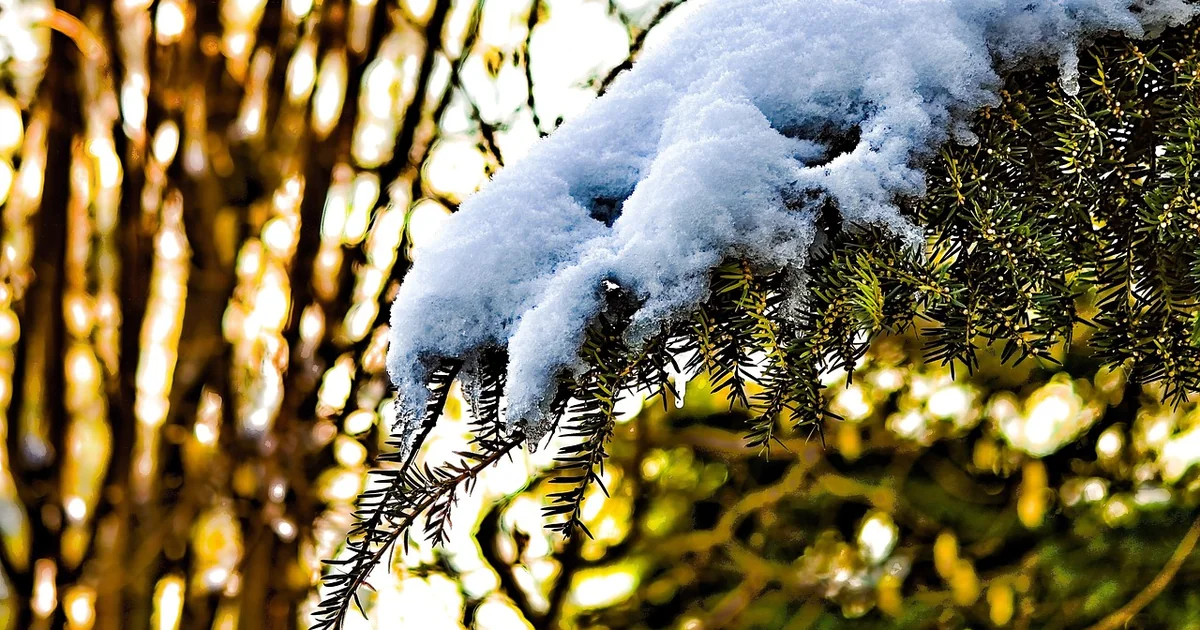
White fir is hardy to zone 3 and handles cold winters without issue. The main winter risk comes from drying winds and sunscald on the south side of young trees. A burlap screen or windbreak erected on the windward side can help during the first two winters. Do not wrap the tree tightly in burlap or plastic, as this traps moisture and encourages fungal growth. A simple barrier that blocks the prevailing wind while allowing air circulation is sufficient.
Frequently Asked Questions About Planting White Fir Trees
How far apart should I space white fir trees for a privacy screen?
Space them at least 16 feet apart. Closer spacing causes lower branches to die back from lack of light, leaving bare trunks. At 16 to 18 feet apart, the trees will eventually form a dense, continuous screen from ground level to crown while maintaining healthy growth for each specimen.
Can white fir trees grow in clay soil?
White fir can adapt to clay soil if you improve drainage before planting. Amend the backfill with coarse sand and organic compost, and consider planting on a slight mound to keep the root crown above the water table. Avoid planting in low spots where water collects after rain.
How long does it take a white fir tree to reach full height?
White fir grows slowly for the first 30 years, adding about one foot per year. After that, the growth rate increases. A tree planted today will reach roughly 30 feet in three decades and continue growing toward its mature height of 50 feet over the following decades.
Do white fir trees need fertilizer every year?
No. White fir does not require annual fertilization. A mild, slow-release evergreen fertilizer applied once in early spring during the first two or three years may help if your soil is poor, but after that the tree gets everything it needs from the soil and decomposing mulch.
What is the best time of year to plant white fir trees?
Early spring is the best time in most climates. Cooler temperatures and more frequent rainfall help the tree establish roots before summer heat arrives. Avoid planting in late fall in zones 6 and colder, as young trees may not have enough time to root before the ground freezes.
When you approach planting white fir trees with these five expert strategies in mind, you set the stage for decades of low-maintenance beauty. The tree asks for very little once established: a sunny spot, well-drained soil, consistent water during its first year, and the freedom to grow at its own pace. In return, it offers a year-round presence that anchors your landscape with quiet dignity, its blue-green needles catching the morning light and its upright cones standing sentinel through every season.