Why May Matters in the Apple Orchard
May brings a gentle warmth that transforms the orchard. The petals have fallen from the blossoms, and tiny green apples begin to dot the branches. For anyone tending apple trees, this month offers a welcome shift — the complicated pruning and grafting work is behind you, and the tasks ahead are simpler, more observational, and deeply satisfying. Yet simplicity should not be mistaken for insignificance.
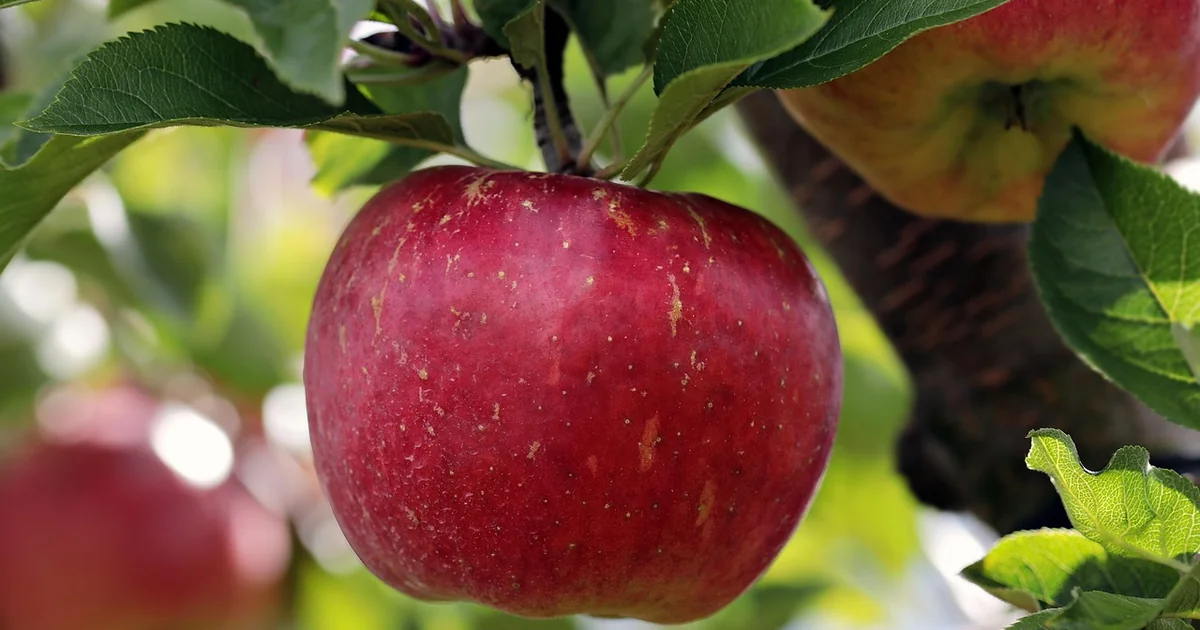
Your trees are entering their most vigorous growth phase of the entire year. Young apples swell week by week. New shoots extend toward the sun. Roots push deeper into the soil. Every action you take — or fail to take — during these weeks echoes forward into fruit quality, tree health, and next season’s potential. The good news is that none of these jobs require special skill or expensive gear. They ask only for your attention and consistency.
Below are seven essential tasks to complete this month. Work through them at your own pace, and your orchard will reward you generously.
1. Water Deeply and Consistently
Understanding May’s Water Demands
Apple trees shift into high gear during May. This is the month when cell division happens rapidly inside developing fruit and when new vegetative growth surges. All of that biological activity requires water — lots of it.
A first-year apple tree needs roughly 2 inches (about 5 centimeters) of water per week during May. Established trees require about half that amount, or roughly 1 inch per week. These figures assume average spring conditions. If your region experiences a dry spell, you will need to supplement rainfall with irrigation.
How to Check Soil Moisture Properly
Guessing whether your tree needs water is unreliable. Instead, use a simple touch test. Push your finger into the soil near the root zone, about 4 to 6 inches deep. If the soil feels dry at that depth, it is time to water. If it feels cool and moist, hold off. If it feels soggy or wet, you may be overwatering, which can suffocate roots and invite fungal problems.
For those who prefer more precision, a low-cost soil moisture meter removes the guesswork. Insert the probe near the drip line of the tree — not right against the trunk — and read the dial. This tool costs under twenty dollars and lasts for years.
Best Watering Practices for Apple Trees
When you do water, apply it slowly and deeply. A slow trickle from a garden hose left at the base of the tree for 30 to 45 minutes delivers water where it is needed most. Avoid frequent shallow watering, which encourages roots to stay near the surface where they dry out quickly. Deep watering trains roots to grow downward, making the tree more resilient during summer heat.
Drip irrigation systems work beautifully for apple trees. They deliver water directly to the root zone with minimal evaporation loss. If you use sprinklers, water early in the morning so leaves have time to dry before nightfall, reducing the risk of fungal diseases.
2. Clear Weeds and Debris From the Root Zone
Why Weeds Matter Under Apple Trees
Many gardeners assume that weeds do not compete with large trees for nutrients. That belief is mostly correct — established apple trees have deep root systems that access resources far below the reach of shallow-rooted weeds. However, weeds create a different kind of problem. They provide hiding places for insect pests and harbor fungal spores that can splash onto low-hanging fruit during rain.
Tall grasses and broadleaf weeds near the trunk also trap moisture against the bark, creating conditions that favor collar rot and other trunk diseases. Keeping the area clean is not about aesthetics alone. It is a genuine disease-prevention strategy.
How to Weed Effectively
The best time to weed is right after a rainfall or a deep watering session. Moist soil releases roots easily, allowing you to pull weeds out completely rather than breaking them off at the surface. Grasp the weed near its base and pull gently but firmly, removing as much of the root system as possible.
Dispose of pulled weeds away from the orchard. Do not compost them if they show signs of disease or if they have gone to seed. A dedicated yard waste bin or a hot compost pile that reaches at least 140 degrees Fahrenheit will kill most weed seeds and pathogens.
Orchard Cleanup Goes Beyond Weeds
While you are down there weeding, take a few extra minutes to clean up the broader area beneath the tree. Rake up any fallen fruit, broken branches, or remnants of winter mulch that have not yet decomposed. These materials can host overwintering pests and disease spores. Removing them in May breaks the cycle before new infections take hold.
Pay special attention to mummified fruit — those shriveled, dried apples that hung on the branches through winter or fell to the ground. They are a primary source of brown rot and other fungal infections. Pick them up and discard them far from the orchard.
3. Monitor for Codling Moths
Recognizing the Threat
Codling moths are among the most destructive pests of apple trees across North America and Europe. The adult moth measures about half an inch long and displays gray banding with shiny bronze scales on its wings. At a glance it looks unremarkable, but its larvae cause significant damage.
Female moths lay eggs on developing fruit or on nearby leaves. When the eggs hatch, the tiny larvae burrow into the apple, tunneling toward the core where they feed on the seeds. One larva can ruin an entire apple. The entry hole is small, but the internal damage makes the fruit unappealing and often inedible.
Using Pheromone Traps for Monitoring
Visual inspection alone is not enough to detect codling moths early. By the time you see damaged fruit, the larvae are already inside and protected from most control methods. Pheromone traps offer a far more reliable monitoring approach.
These traps use a synthetic version of the female moth’s mating scent to attract males. Hang the traps high in the tree canopy — in the upper third of the tree — and check them weekly. If you catch more than five moths per trap per week, the population has reached a level that warrants intervention.
You can find ready-to-use codling moth traps on Amazon or at garden supply stores. Replace the pheromone lures according to the package instructions, usually every four to six weeks.
Organic Control Options
If monitoring reveals a significant codling moth presence, several organic control methods can help. The most widely used option is Bacillus thuringiensis var. kurstaki, a naturally occurring soil bacterium that targets caterpillar-stage pests. Apply it when the first moths appear in traps and repeat every 7 to 10 days during the egg-laying period.
Another approach involves kaolin clay, a fine white powder that coats the fruit and creates a physical barrier against egg-laying moths. Mix it with water and spray it onto the tree until the fruit and leaves appear dusted white. The coating washes off easily at harvest time.
For small home orchards, simply placing paper bags over individual apples can prevent codling moth damage entirely. This method is labor-intensive but highly effective for a handful of trees.
4. Watch for Aphids and Other Sap-Feeding Insects
Identifying Aphid Activity on Apple Trees
Aphids are small, soft-bodied insects that cluster on the undersides of leaves and along tender new shoots. They feed by piercing plant tissue and sucking out the sap. A light infestation causes little harm, but a heavy population can stunt growth, cause leaves to curl and yellow, and reduce fruit quality.
The most common species on apple trees is the green apple aphid, which blends well with foliage and can go unnoticed until the population explodes. Another species, the woolly apple aphid, covers itself with a white, waxy filament that looks like cottony fuzz. Both species reproduce quickly in warm spring weather.
Monitoring Techniques
Inspect your trees at least once per week during May. Focus on the undersides of leaves and the tips of new growth where aphids prefer to feed. Look for curled or distorted leaves, sticky honeydew residue on the foliage below, or the presence of ants moving up and down the trunk. Ants farm aphids for their honeydew and will protect them from predators, so ant activity often signals an aphid problem nearby.
Turn over leaves gently and examine them closely. A few aphids here and there are normal and will not harm the tree. But if you find dense clusters covering multiple leaves or shoots, it is time to act.
Effective Aphid Management
The simplest control method is also the most immediate: spray the aphids off with a strong stream of water from your garden hose. Aim at the undersides of leaves and repeat every few days until the population drops. This method works best for light to moderate infestations and has no negative side effects.
For persistent problems, insecticidal soap offers a safe and effective solution. It works by breaking down the aphid’s outer cuticle, causing dehydration. Spray directly onto the insects, covering them thoroughly. Insecticidal soap leaves no toxic residue and is safe for beneficial insects once it dries.
Another excellent organic strategy involves releasing ladybugs into your orchard. A single ladybug can consume dozens of aphids per day. You can purchase ladybugs online or at garden centers. Release them in the evening after watering the area, and they will settle in and begin hunting through the night.
5. Scout the Orchard for Fungal Diseases
Common Fungal Threats in May
Warm, moist spring weather creates ideal conditions for fungal diseases on apple trees. Three of the most common problems appear during May: apple scab, cedar-apple rust, and sooty blotch. Each one requires a slightly different management approach, but early detection is the common thread.
Apple scab shows up as olive-green to brown spots on leaves and fruit. Infected leaves may twist and drop early, weakening the tree over time. On fruit, the scabs become corky and unsightly, reducing marketability even if the interior remains edible.
Cedar-apple rust produces bright orange-yellow spots on leaves and can cause fruit to become deformed or drop prematurely. The disease requires a juniper or cedar host to complete its life cycle, so trees planted near ornamental junipers face higher risk.
Sooty blotch appears as dark, smudgy patches on the surface of the fruit. It does not penetrate the skin, but it makes the apples look dirty and unappetizing. The fungus grows on the waxy cuticle of the fruit and thrives in humid conditions with poor air circulation.
How to Inspect for Disease
Walk through your orchard at least once a week during May. Examine leaves on all sides of the tree, not just the sunny south-facing branches. Look for discolored spots, powdery residues, or unusual growth patterns. Check developing fruit for any blemishes, spots, or surface discoloration.
Pay extra attention to the interior of the canopy where air circulation is poorest. Fungal diseases often take hold in these sheltered areas first before spreading outward. If you find suspicious symptoms, remove the affected leaves or fruit and dispose of them away from the orchard.
You may also enjoy reading: 5 Ways: Remove Stains from Quartz Countertops Without Damage.
Prevention and Early Intervention
Good cultural practices reduce the need for fungicide applications. Prune your trees to maintain an open canopy that allows air to flow freely and sunlight to reach the interior. Remove fallen leaves and fruit from the ground, as these harbor fungal spores that can splash back up onto the tree during rain.
If you have had disease problems in previous years, consider applying a preventative fungicide in early May before symptoms appear. Options include copper-based sprays, sulfur, or biofungicides containing Bacillus subtilis. Always follow label instructions carefully and apply only when conditions favor disease development.
For organic growers, a mixture of baking soda and horticultural oil can provide modest protection against powdery mildew and some other fungal diseases. Mix 1 tablespoon of baking soda with 1 gallon of water and add a few drops of mild liquid soap. Spray weekly during wet weather.
6. Apply a Fresh Layer of Organic Mulch
Why Mulch Matters in May
Mulching in May serves several purposes at once. It conserves soil moisture during the warming months, suppresses weed growth around the root zone, moderates soil temperature fluctuations, and adds organic matter to the soil as it decomposes. For apple trees, a good mulch layer is one of the simplest and most beneficial things you can provide.
Organic mulches are always the preferred choice around edible plants. They break down naturally over time, feeding the soil food web and improving soil structure. Inorganic mulches like landscape fabric or plastic sheeting do not offer these benefits and can interfere with water penetration and root respiration.
Choosing the Right Mulch Material
Several organic materials work well for apple trees. Shredded hardwood bark is a popular choice because it breaks down slowly and resists compaction. Wood chips from tree pruning operations are another excellent option, especially if they come from mixed hardwood species. Straw or hay can work in a pinch, but they break down quickly and may introduce weed seeds.
Avoid using fresh sawdust or fresh wood chips that have not aged for at least six months. Fresh wood materials can tie up nitrogen in the soil as they decompose, temporarily starving the tree of this essential nutrient. Aged materials have already gone through the initial decomposition phase and will not cause nitrogen depletion.
Proper Mulching Technique
Spread the mulch in a flat, even layer extending from about 6 inches away from the trunk out to the drip line of the tree. The drip line is the outermost circumference of the branches — this is where the majority of feeder roots are located. A depth of 3 to 4 inches is ideal. Any deeper and the mulch can retain too much moisture against the bark, inviting rot and disease.
Keep the mulch a hand’s distance away from the trunk. Piling mulch directly against the bark creates a moist environment that encourages voles, mice, and fungal pathogens to attack the trunk. A mulch volcano — where mulch is mounded high against the trunk — is one of the most common and damaging mistakes home orchardists make.
You can find organic mulch products at most garden centers and home improvement stores. Miracle-Gro organic mulch is widely available at Home Depot and similar retailers. Local tree care companies often give away or sell aged wood chips at low cost if you ask.
7. Thin the Developing Fruit Crop
Why Thinning Improves Harvest Quality
Apple trees naturally produce more fruit than they can support to maturity. In May, after the initial fruit set, you will notice clusters of tiny apples forming on the branches. If left unthinned, the tree will attempt to ripen every single one, resulting in small, misshapen fruit with poor flavor. The tree may also become so overloaded that branches break under the weight, and the stress of excessive cropping can reduce flower bud formation for the following year.
Thinning — the practice of removing excess fruit early in the season — redirects the tree’s energy into the remaining apples. The payoff comes at harvest time in the form of larger, sweeter, more uniformly colored fruit. Thinning also improves air circulation around the developing apples, reducing the risk of fungal diseases.
When and How to Thin
The ideal time to thin apple trees is within 4 to 6 weeks after full bloom, which for most regions falls squarely in May. The fruit should be about the size of a marble or a dime. If you wait too long, the tree has already invested significant energy into fruit that you will remove, and the remaining fruit will have less time to respond to the extra resources.
Start by removing any fruit that is damaged, diseased, or misshapen. Then thin the remaining apples so that each cluster contains only one or two fruits. Space the clusters about 6 to 8 inches apart along the branch. For larger-fruited varieties like Honeycrisp or Fuji, aim for the wider end of that range. For smaller varieties like crabapples or early-season types, 4 to 6 inches may be sufficient.
To remove a fruit, grasp it gently between your thumb and forefinger and twist it upward. It should separate from the spur cleanly. Avoid pulling straight down, which can damage the spur and reduce future fruiting. If the fruit does not release easily, use a pair of sharp pruning shears to snip the stem.
How Much to Remove
A general rule of thumb is to remove about 60 to 70 percent of the initial fruit set. This sounds drastic, but apple trees set far more fruit than they can possibly mature. A mature standard-sized apple tree can produce several hundred apples in a heavy crop year, but only 100 to 150 of them will reach optimal size and quality if properly thinned.
If you find it difficult to remove so many potential apples, remind yourself that quality matters more than quantity. A dozen large, flavorful apples are far more satisfying than several dozen small, woody, sour ones. Your tree will also thank you by setting a strong crop next season rather than alternating into a biennial bearing pattern.
Frequently Asked Questions
How often should I water my apple tree in May?
Water first-year trees weekly with about 2 inches of water. Established trees need roughly 1 inch per week. Always check soil moisture before watering to avoid overwatering. Adjust frequency based on rainfall in your area.
Can I use chemical pesticides on my apple trees in May?
Chemical pesticides are an option, but organic methods work well for most home orchard situations. Pheromone traps, insecticidal soap, Bacillus thuringiensis, and kaolin clay provide effective control without persistent chemical residues. If you choose synthetic products, follow label instructions precisely and avoid spraying during bloom to protect pollinators.
What is the best mulch for apple trees?
Aged shredded hardwood bark or aged wood chips are excellent choices. They break down slowly, suppress weeds effectively, and add organic matter to the soil. Keep mulch 3 to 4 inches deep and maintain a gap of about 6 inches between the mulch and the trunk.
How do I know if my apple tree has a fungal disease?
Look for leaf spots, powdery residues, orange or yellow patches, or dark smudges on developing fruit. Curled or dropping leaves can also signal disease. Inspect your trees weekly during May and remove any affected material promptly. Good air circulation and sanitation are the best preventatives.
Do I need to thin fruit every year?
Thinning is beneficial every year that your tree sets a heavy crop. Some varieties naturally thin themselves through a process called June drop, but most apples benefit from manual thinning. Consistent thinning prevents biennial bearing, where the tree produces a heavy crop one year and almost nothing the next.
May in the apple orchard is a month of gentle, observant work. Water when the soil tells you to. Keep the ground clean. Watch for pests and diseases before they gain a foothold. Mulch generously but carefully. And thin the fruit with a steady hand. These seven tasks ask for no special expertise, only your presence and attention. Perform them well, and your trees will carry you smoothly into summer with health and promise intact.