Ever walked into a room and felt an immediate sense of ease? Conversely, have you ever settled into a space that just felt slightly off, where conversations are awkward and moving around is a chore? The difference often lies not in the quality of the furniture, but in its placement. Mastering the art of furniture arrangement is a powerful, yet often overlooked, tool for transforming a house into a home that feels both inviting and effortlessly functional.
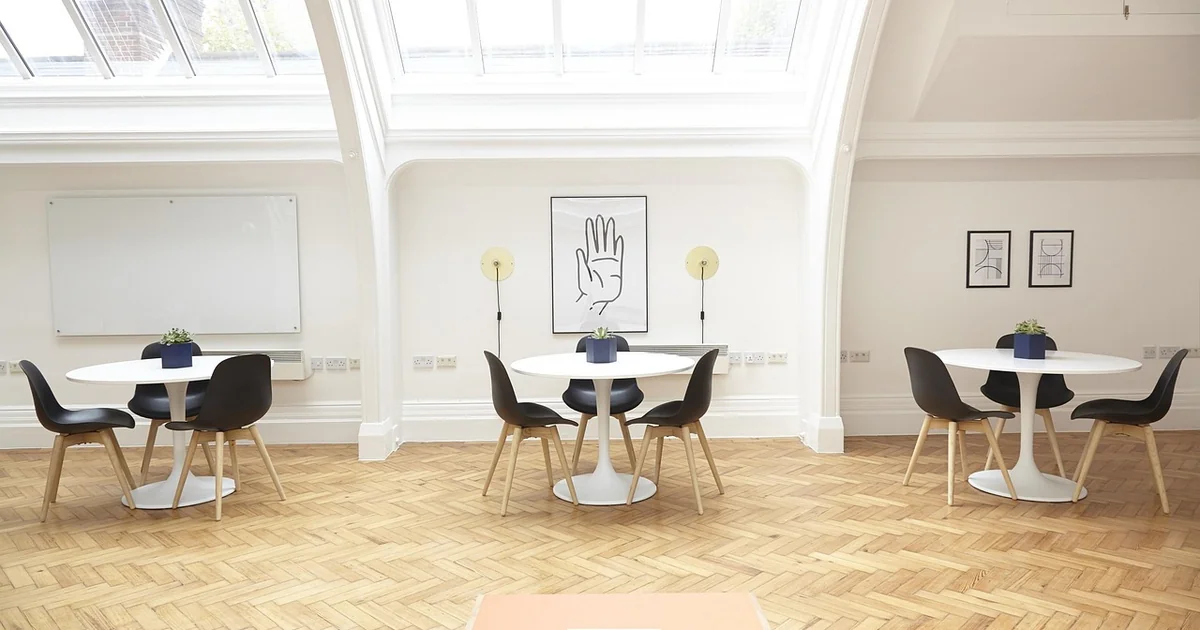
These furniture arrangement tips are grounded in principles of spatial design and human behavior, not just fleeting trends. A study published in the Journal of Environmental Psychology found that well-arranged spaces can significantly reduce stress and enhance social interaction. By thinking like a designer, you can solve common layout puzzles, maximize awkward nooks, and create rooms that truly work for your daily life.
The Foundational Rule: Establish a Clear Focal Point
Every well-composed room has an anchor—a visual starting point that gives the space purpose and order. This is your focal point. In many living areas, architecture provides one: a roaring fireplace, a bank of windows with a garden view, or even a built-in media center. Your primary seating should be oriented toward this feature. Imagine a sofa angled to enjoy both the fireplace and the television on an adjacent wall, creating a harmonious triangle of activity.
What if your room lacks an obvious architectural star? This is a common challenge in modern open-plan spaces or bedrooms. The solution is to create your own focal point. A large, striking piece of artwork above a console table, a bold bookshelf styled with collections, or even a statement piano can command attention. The key is to build your layout around this intentional centerpiece, ensuring it’s the first thing your eye lands upon when entering.
Tip 1: Map Your Traffic Flow First
Before you slide a single sofa, grab some painter’s tape or simply visualize the natural pathways people use to move through the room. Designers call these “circulation routes,” and they are the invisible skeleton of your layout. The goal is to create clear, unobstructed lanes—typically at least 30 to 36 inches wide—that connect doorways and allow easy passage around furniture. Nothing disrupts a room’s comfort more than having to squeeze sideways between a coffee table and a chair or navigating a maze to reach another seat.
Think of it like planning a miniature road system. The main “highway” should flow smoothly around the perimeter of your main conversation area, not cut directly through its center. For instance, in a living room with doors at either end, guide traffic along one side of the room, using a rug or the arrangement of a sofa and chairs to subtly define the walking path. This simple pre-planning step prevents the most common furniture arrangement mistake: blocking the natural flow of daily life.
Tip 2: Build Conversation-Friendly Groupings
Rooms are for living, and much of that living involves talking. A layout that facilitates easy, natural dialogue is paramount. The golden rule here is proximity. For comfortable face-to-face chats, aim to keep the front edges of primary seating pieces—like sofas and chairs—within eight feet of each other. Any farther, and people feel disconnected, often raising their voices unconsciously.
In a large room, resist the urge to push all furniture against the walls. This creates a vast, echoing no-man’s-land in the middle. Instead, create intimate “conversation islands.” You might float two loveseats facing each other in the center of the room, anchored by a large ottoman. In a long, narrow space, try arranging a sofa and two chairs in a tight U-shape. The arrangement should feel like a cozy circle, encouraging eye contact and relaxed interaction. Adding a light source like a floor lamp within the grouping ensures the space is illuminated for evening conversations, completing the inviting atmosphere.
Tip 3: Master the Art of Proportion and Balance
This is where a good layout becomes a great one. Balance doesn’t necessarily mean perfect symmetry, but it does mean distributing visual weight so the room feels stable and harmonious. A massive, solid-wood entertainment center on one wall can feel overwhelming if not balanced by something of substantial presence on the opposite side, like a large-scale painting or a pair of substantial bookcases.
Pay close attention to scale. An enormous sectional will swallow a petite room, while a tiny apartment-sized sofa will look lost in a voluminous great room. Use the room’s own dimensions as a guide. A useful designer trick is the “two-thirds rule”: your area rug should be large enough that at least the front legs of all key seating pieces sit upon it, and ideally, the rug’s dimensions should be roughly two-thirds the width of the room itself. This grounds the furniture grouping and ties the space together visually. Similarly, a coffee table should be about two-thirds the length of the sofa it faces, keeping it within easy reach from every seat.
Tip 4: Prioritize Functional Zoning in Multi-Use Spaces
Modern homes often demand that a single room wear multiple hats: a living room that also serves as a home office, a bedroom with a workout corner, or a great room that encompasses dining, lounging, and homework areas. The challenge is to define these zones without building walls. Furniture arrangement is your primary tool for this task, a concept known as “zoning.”
Use the back of a sofa or a strategically placed console table to subtly divide a large room. A large, open-back bookshelf can serve as a room divider that allows light to pass while creating separation. Rugs are incredibly effective zone definers; a distinct rug under your seating area and another under your dining set visually cordons off each purpose. Even lighting can establish zones: a pendant light over a game table, a floor lamp by a reading chair, and recessed lighting over the main lounge area all signal different functions within the same footprint.
Tip 5: Embrace Vertical Space and Flexible Pieces
When floor space is limited, the only direction to go is up. This is one of the most powerful furniture arrangement tips for small rooms. Tall, slender bookcases, floating shelves, and wall-mounted lighting free up precious square footage on the ground. Instead of a bulky nightstand, consider a wall-hung shelf with a sleek pendant light above it.
Invest in furniture that serves more than one purpose and can adapt to different needs. An ottoman with internal storage can be a coffee table, extra seating, and a blanket chest. Nesting tables can be tucked away when not in use and pulled out for guests. A slender console table behind a sofa provides a surface for lamps and decor without consuming valuable floor space. Choosing pieces with legs that elevate them off the floor (rather than solid bases) also creates an airier, less crowded feeling, as you can see more of the floor plane.
Applying Your Furniture Arrangement Tips: Room-by-Room Scenarios
Let’s put these five core principles into practice with specific challenges you might face in different areas of your home.
You may also enjoy reading: Drywall Finishes Explained: Level Up Your Walls!.
The Long, Narrow Living Room
This common layout can feel like a hallway. Avoid lining up furniture along the two long walls, which emphasizes the tunnel effect. Instead, place your sofa on one long wall, then float two chairs perpendicular to it, facing the sofa across a coffee table. This creates a wide, conversational square that interrupts the room’s length. Use a large area rug positioned width-wise to further visually widen the space.
The Bedroom with Too Many Doors
Bedrooms with doors to a closet, bathroom, and hallway leave little free wall space. Your focal point should unequivocally be the bed. Center it on the most prominent wall, even if it’s not directly opposite the entrance. Use low-profile storage like under-bed drawers and a tall, narrow dresser in a leftover alcove. Nightstands with rounded corners are easier to navigate around in tight clearance areas.
The Open-Plan Dining and Living Area
Here, zoning is critical. Define the dining area clearly with a pendant light and a rug that fits the table and chairs when they are pulled out. Use the back of your sofa to delineate the living zone. Ensure there is a clear traffic path from the kitchen to the dining area that doesn’t cut through the middle of the lounge seating. Maintaining a consistent color palette between the zones helps them feel cohesive rather than chaotic.
Furniture Arrangement FAQ
How much space should I leave between furniture pieces?
For main walkways, aim for 30 to 36 inches. Between a coffee table and a sofa, 14 to 18 inches is ideal for comfortable reach. Allow at least 24 inches between a bed and a dresser for drawer access.
Should all furniture be against the wall?
Almost never. Floating furniture away from walls creates depth, improves traffic flow, and fosters cozier conversation areas. It’s one of the simplest ways to make a room feel more designed and intentional.
How do I arrange furniture in a room with two focal points?
Choose one as the primary (often the fireplace) and orient the main seating toward it. Angle secondary seating, like a pair of chairs, to offer a good view of the second focal point (like a TV). The goal is a compromise where no one has to crane their neck uncomfortably.
What is the most common furniture arrangement mistake?
Ignoring scale and proportion. A huge sofa in a small room or a tiny rug under a large seating group throws off the entire balance. Always measure your space and your key pieces before committing to a layout.
Can I arrange furniture on a diagonal?
Yes, angling a sofa or a bed in a corner can be a dynamic solution for a square room, adding visual interest and sometimes improving sightlines to focal points. It works best with simpler, complementary pieces around it to avoid a feeling of disorder.
Rearranging your furniture is the most cost-effective home makeover available. It requires no new purchases, just a fresh perspective and a willingness to experiment. Start with an empty room in your mind—or physically push everything to the center—and apply these principles one by one. You might just discover that the perfect, comfortable, and functional room was hiding in your current setup all along.