The Hidden Wiring Behind Mom Guilt
If you have ever felt a knot in your stomach after losing your temper with your kids, or found yourself apologizing for serving frozen pizza on a Tuesday night, you are not alone. That sinking feeling has a name: mom guilt. And according to the emerging field of mom guilt brain science, it is not a sign that you are failing as a mother. It is a brain circuit doing exactly what it evolved to do.
A national survey from Teleflora found that 91 percent of mothers experience mom guilt. Among millennial moms, that number climbs to 95 percent. Nearly three out of four mothers worry they are not doing enough for their children. We tend to treat this guilt as a character flaw — something to push through, hide, or apologize for. But Dr. Kyra Bobinet, a physician and leading expert in the neuroscience of motivation and behavior, says that framing is not just wrong. It actively makes things worse.
The guilt you feel is not coming from some deep truth about who you are as a mother. It is coming from a tiny structure in your brain that is doing its job a little too enthusiastically.
What Is the Habenula? Your Brain’s Built-In Failure Detector
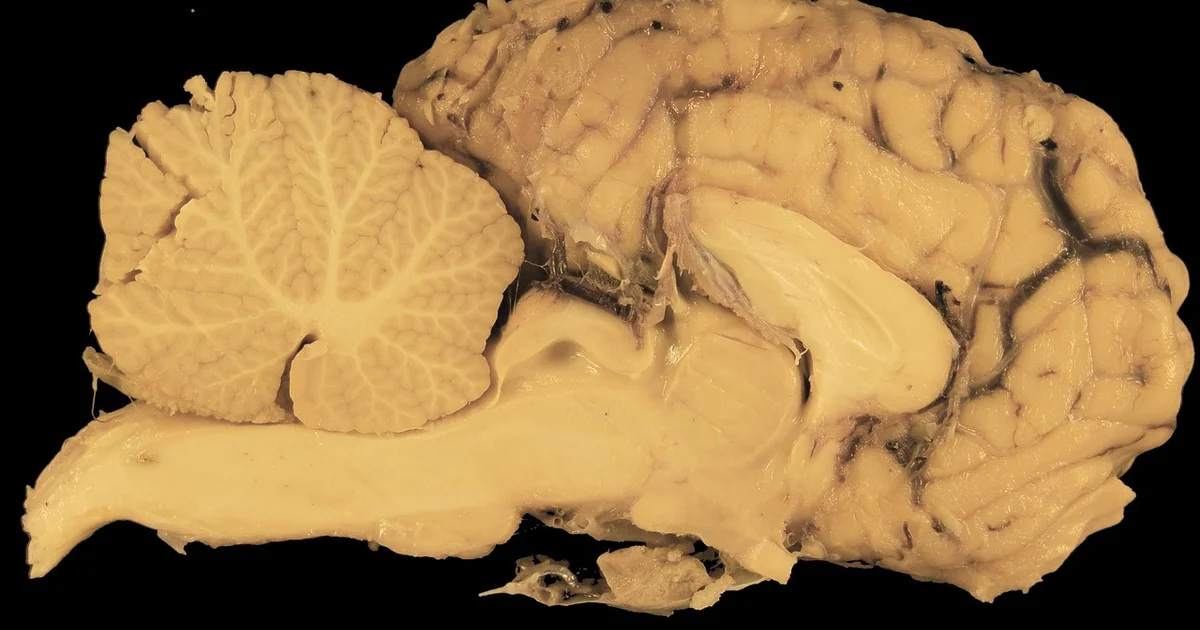
Deep in the brain sits a small region called the habenula. Think of it as an internal alarm system designed to notice when something has gone wrong — a mistake, a rejection, a moment where you fell short. When it fires, it dials down your motivation, your mood, and your sense of hope. That crash you feel after you have lost your patience with your child? That is the habenula at work.
This system exists in everyone. What makes it hit differently for mothers is everything layered on top of it: the biological wiring that makes your child’s well-being feel like your own, plus a culture that holds mothers to a standard no human being could actually meet. Dr. Bobinet explains, “The mom experiences this as: ‘I’m a bad mom.’ But under the hood, it’s a brain circuit doing what it does whenever it thinks you’ve blown it.”
Mom guilt is what happens when that circuit gets repeatedly triggered by failure-type thoughts — what Dr. Bobinet calls “should-ing,” “not enough” thinking, and comparison thinking — piled on top of intense cultural expectations of motherhood. Understanding this mom guilt brain science is the first step to breaking free from the cycle.
Why a Forgotten Permission Slip Can Feel Like Proof You Are Failing
The brain’s failure alarm does not scale to the size of the actual problem. It scales to what your internal story says the problem means about you. If your inner narrative says “good moms always plan ahead, cook balanced meals, never drop the ball,” then even small missteps get coded as proof that you are failing at motherhood.
The brain is not reacting to cereal for dinner. It is reacting to the story: “This means I am a bad mom.” That story is treated as a threat to your identity and sense of belonging. That triggers a full alarm, regardless of what actually happened. A forgotten permission slip becomes evidence of incompetence. A raised voice becomes proof of failure. The habenula does not care about context. It only cares about the gap between your internal standard and what just happened.
The late-night comparison scroll makes this worse. When you take in images of mothers who seem to have it all together, you are feeding the exact part of your brain that is already looking for evidence you do not measure up. Social media becomes a guilt amplifier, not because you are weak, but because your brain’s failure detector is designed to notice discrepancies.
The Cycle of Trying Harder and Feeling Worse
Most mothers respond to guilt by doing more — more activities, more effort, less rest. Dr. Bobinet calls this one of the cruelest parts of the cycle, because it does not work. Impossible standards lead to inevitable slip-ups. Slip-ups trigger guilt. Guilt drives overcorrection. Exhaustion creates more mistakes. And those mistakes become fresh evidence for the story that you are just not cut out for this.
“The more she tries to out-perform the guilt, the more failures the system can detect,” Dr. Bobinet says. Harsh self-talk — that jerky internal voice that says “get it together” — keeps the alarm active. So does making sweeping promises to yourself, like “I will never raise my voice again.” That just raises the bar for the next time you fall short. Because this job is hard, and inevitably you will.
“The more we weaponize guilt as a tool to be ‘better,’ the more we train the failure detector to fire often and loudly,” she adds. Trying harder is not the solution. It is part of the problem.
Rewiring the Brain: What Actually Helps
The brain can change. Neuroplasticity means that with consistent practice, you can reshape the pathways that keep the guilt cycle running. Dr. Bobinet recommends several evidence-based approaches that directly address the mom guilt brain science at work.
Adopt an Iterative Mindset
Instead of treating parenting as a performance to be judged, treat it as an ongoing experiment. The Iterative Mindset says: “That didn’t go well. What can I try differently next time?” This shifts the brain from threat detection to problem-solving. It reduces the intensity of the habenula’s alarm because the internal story changes from “I am failing” to “I am learning.”
For example, if you lost your temper, the iterative response is not “I am a terrible mother.” It is “I need a better strategy for when I feel overwhelmed. Maybe I can step into the bathroom for sixty seconds before I speak.” That small reframe changes the data your brain receives.
Prioritize Sleep and Rest
Sleep directly affects brain reactivity. When you are exhausted, the habenula fires more easily and stays active longer. Your ability to regulate emotions drops. Your patience shrinks. Prioritizing sleep is not selfish. It is a biological necessity for keeping your failure detector from going off at every small mistake.
Aim for seven to eight hours. If that feels impossible, look for micro-rest opportunities: five minutes of sitting in silence while the kids watch a show, or going to bed thirty minutes earlier. Every bit of recovery helps quiet the alarm system.
Build Connection and Play
Connection and play tap into reward circuits in the brain that support healthy parenting. When you engage in genuine, joyful interaction with your child — not performance, not teaching, just being together — your brain releases dopamine and oxytocin. These chemicals counterbalance the guilt signals from the habenula.
You may also enjoy reading: Other Bennet Sister Cast Wrote 7 Dating Profile Secrets.
This does not mean you need elaborate activities. Ten minutes of uninterrupted play where you follow your child’s lead can shift your brain state. Laughter, physical touch, and shared delight are powerful antidotes to guilt.
Treat Recovery as Protective, Not Self-Indulgent
Recovery is not a luxury. It is a protective measure for your brain. When you take time to rest, exercise, or pursue a hobby, you give your nervous system a chance to reset. The habenula’s activity decreases. Your mood lifts. You become more resilient to the inevitable challenges of parenting.
Yet many mothers feel guilty for taking time for themselves. That guilt is the failure detector interpreting self-care as a failure to be fully devoted. Recognize that voice for what it is: a brain circuit, not the truth. Recovery makes you a calmer, more present mother. It is an investment, not a flaw.
Reframe Negative Self-Talk
Consistently reframing negative self-talk from “this proves I am a bad mom” to “that didn’t go well, what can I try differently” changes the data your habenula receives. Over time, this practice weakens the guilt circuit. You can do this by writing down the guilt thought and then writing a more balanced response. Or you can simply pause and say to yourself, “That’s just my failure detector talking.”
Frequently Asked Questions About Mom Guilt and Brain Science
What is the habenula and how does it relate to mom guilt?
The habenula is a small brain region that acts as a failure detector. When you perceive a mistake or shortcoming, it fires and reduces motivation and mood. In mothers, this circuit gets triggered by “should-ing,” comparison, and the gap between impossible standards and real life. That creates the feeling of mom guilt.
Is mom guilt normal? How common is it?
Yes, mom guilt is extremely common. According to a Teleflora survey, 91 percent of mothers experience it. Among millennial mothers, 95 percent report feeling mom guilt. Nearly three-quarters of mothers worry they are not doing enough for their kids. It is a widespread experience, not a sign of personal failure.
Why does trying harder to be a better mom make the guilt worse?
Trying harder often means doing more activities, eliminating rest, and setting higher standards. That leads to exhaustion, which creates more mistakes. Each mistake triggers the habenula again. The brain interprets the effort as evidence that you are failing, because if you were succeeding, you would not need to try so hard. It becomes a vicious cycle.
What is the Iterative Mindset and how does it help?
The Iterative Mindset treats parenting as an ongoing experiment rather than a performance. Instead of judging each moment as success or failure, you ask, “What can I learn from this?” That shifts your brain from threat mode to problem-solving mode. It reduces the intensity of guilt because the internal story changes from “I am failing” to “I am figuring things out.”
Can sleep really affect mom guilt?
Yes, sleep has a direct impact on brain reactivity. When you are sleep-deprived, the habenula fires more easily and stays active longer. Your emotional regulation suffers. Prioritizing sleep helps quiet the failure detector and makes you more resilient to guilt triggers. Even small amounts of rest can help.
Your Guilt Is Not Your True Self
The voice that says you are failing as a mother is not your authentic inner wisdom. It is a pattern of brain wiring combined with cultural expectations that no human could meet. Understanding the mom guilt brain science behind that voice gives you the power to step back from it. You can learn to recognize the habenula’s alarm for what it is: a biological signal, not a verdict on your worth.
Next time you feel that familiar knot in your stomach, pause. Take a breath. Remind yourself that your brain is doing its job — but you do not have to believe everything it tells you. You are not a bad mom. You are a human being with a brain that evolved to notice mistakes. And that is okay.