A gravel patio is a cost-effective and low-maintenance outdoor space made from crushed stone or pea gravel. It allows rainwater to drain naturally, is easy to install as a DIY project, and can be enhanced with pavers, plants, and furniture for a stylish backyard retreat. A gravel patio is a low-cost outdoor surface made from crushed stone or pebbles, offering easy installation and natural drainage with minimal maintenance. This guide will walk you through choosing the right gravel, designing your space, and installing your new gravel patio.
Why Choose a Gravel Patio for Your Backyard?
Gravel patios offer a compelling blend of affordability, aesthetic appeal, and ease of maintenance, making them an excellent choice for homeowners seeking a functional yet beautiful outdoor living area. These patios provide an effortless old-world look with less labor than traditional paver installations. Gravel is an elegant and low-cost option for backyard patios. The benefits extend beyond initial cost savings; gravel patios are remarkably easy to maintain over time. Their permeable nature allows for natural drainage, reducing water runoff and erosion issues. Furthermore, the simple installation process means less effort and expense compared to laying concrete or intricate stone patterns.
Let’s dive into what exactly makes up a gravel patio and how it benefits your landscape.
What Is a Gravel Patio? Understanding the Basics
A gravel patio is an outdoor living surface constructed primarily from small, loose stones or pebbles, creating a natural and permeable foundation. Gravel is environmentally-friendly, composed of crushed stone, which allows it to blend seamlessly with the surrounding environment. Small pebble varieties like pea gravel are particularly adept at this, offering a soft, naturalistic appearance. A significant advantage of gravel patios is their excellent drainage. Rain moisture seeps into the soil on gravel patios instead of pooling, which helps prevent water damage to your home’s foundation and reduces the risk of localized flooding in your yard. This permeability also contributes to soil health and prevents erosion, keeping your soil in place. By reducing the contrast between soil and hardscape, gravel patios aim for a naturalistic look that integrates well with garden landscapes.
Next, we’ll look at the different types of gravel you can choose for your patio.
Types of Gravel for Your Patio
Selecting the right type of gravel is crucial for achieving both the desired aesthetic and functional performance for your patio. Common gravel types suitable for patios include pea gravel, marble chips, and various crushed stone aggregates. Pea gravel, known for its smooth, rounded stones, offers a comfortable walking surface and a natural, informal look. Crushed stone, on the other hand, provides a more angular and stable surface, often preferred for high-traffic areas or when a more structured appearance is desired. Marble chips can add a bright, decorative touch, but may be less comfortable underfoot and more prone to scattering. For those in hot and dry climates, tan-colored gravel is an excellent choice as it tends to absorb less heat than darker stones, softening the appearance of a native garden and keeping the patio surface cooler. The difference between pea gravel and crushed stone lies mainly in their shape and composition; pea gravel consists of small, naturally rounded stones, while crushed stone is made of angular fragments of rock that lock together more tightly.
Once you’ve selected your gravel, it’s time to explore design possibilities.
Design Ideas for Your Gravel Patio
The versatility of gravel makes it a fantastic canvas for a variety of design aesthetics, from rustic charm to modern simplicity. Gravel patios can be combined with pavers to create interesting landscapes, offering a dynamic interplay of textures and materials. For instance, you can use gravel as the primary surface with accent areas of pavers or stepping stones to guide movement or define specific zones. This combination allows you to enjoy the low-maintenance benefits of gravel while introducing more defined elements for seating or dining areas.
One popular design element is incorporating natural stone and concrete pavers.
Incorporating Pavers and Stones
Adding pavers and stones to your gravel patio design can introduce structure, visual interest, and practicality. Natural stone pavers with uneven edges can be used as stepping stones, creating a natural pathway through the gravel expanse or leading to different parts of your yard. For a more formal look, square concrete pavers can be arranged in a linear pattern and then surrounded by gravel, creating a clean, defined area for furniture. To create intimate seating areas, low rocks arranged around the perimeter of a gravel space can act as natural edging, defining a circular zone perfect for a table and chairs.
Next, let’s see how plants can soften the space.
Adding Greenery and Plants
Gravel patios provide an excellent backdrop for a variety of plants, enhancing the natural aesthetic and adding color, texture, and life to your outdoor space. Gravel patios complement plants and flowers beautifully, allowing their vibrant hues to stand out. A simple grass lawn looks beautiful adjacent to pea gravel, creating a soft transition between your patio and the rest of your garden. For added shade, coolness, and ambiance, consider planting flowering plants and leafy trees around the border of your gravel patio. These elements not only soften the hardscape but also create a more inviting and comfortable atmosphere.
Don’t forget furniture and fire features to make the space livable.
Furniture and Fire Features
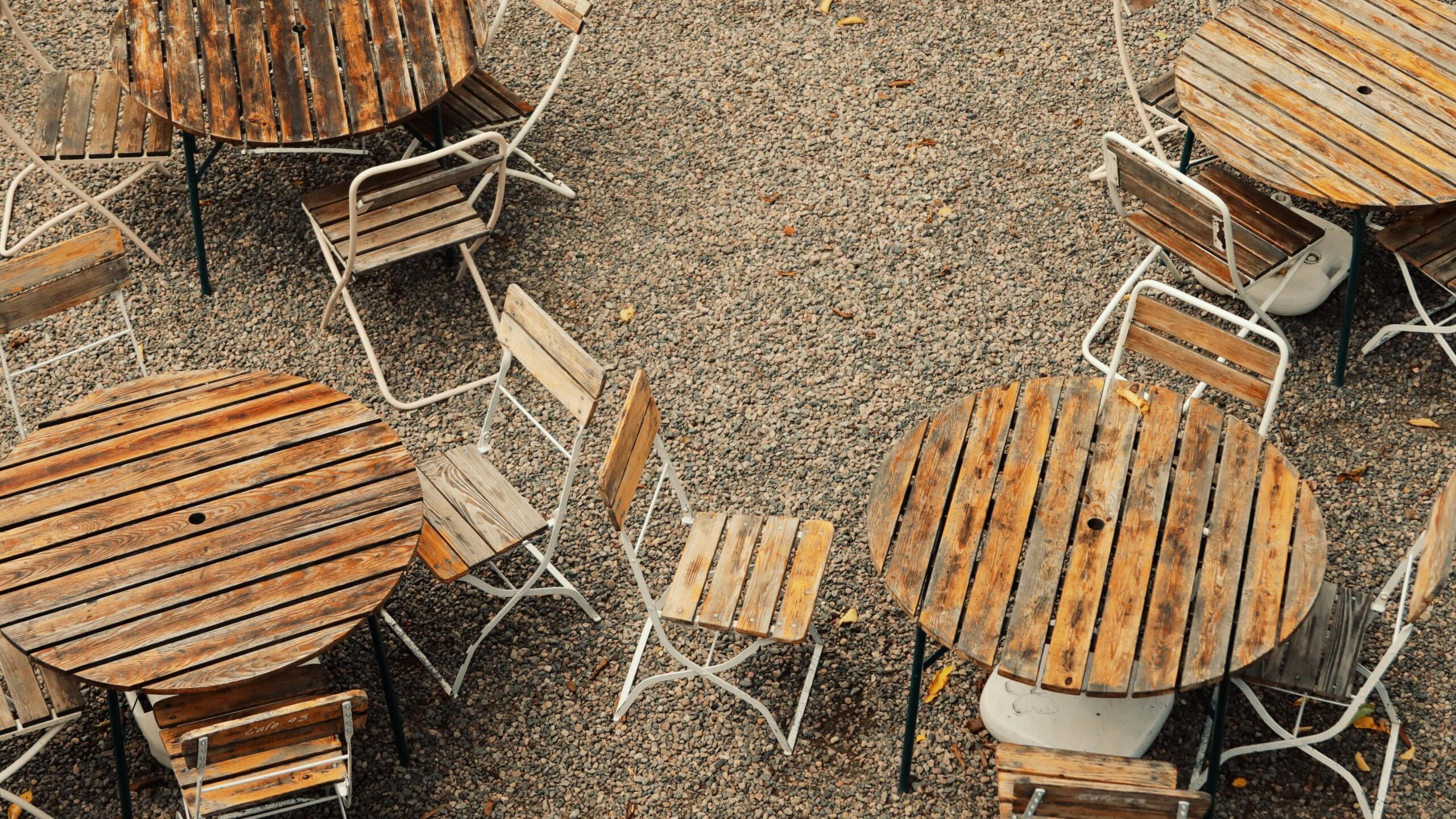
Transforming your gravel patio into a functional outdoor living area is easily achieved with the right furniture and features. Fire pits look great placed on a gravel surface, providing a safe and attractive focal point for evening gatherings. For a charming and intimate setting, a European-style bistro set looks picturesque on a gravel patio, perfect for morning coffee or intimate dinners. On larger patios, you can comfortably accommodate a full dining table and chairs, making it ideal for entertaining guests and hosting outdoor meals.
Finally, find inspiration from professional designs.
Finding Inspiration from Professional Designs
When planning your gravel patio, drawing inspiration from established design professionals can spark creativity and offer practical solutions for your space. Platforms like Houzz feature extensive portfolios showcasing how designers, decorators, and architects have successfully incorporated gravel into various landscapes. For example, Houzz features 1,822 images from designers, including stunning examples from Bonick Landscaping and Botanical Concerns LLC, illustrating diverse applications of gravel patios. These professional examples can provide a wealth of ideas for layout, material combinations, and styling that you can adapt to your own backyard.
Now let’s walk through the installation process step by step.
Step-by-Step DIY Installation Guide
Embarking on a DIY gravel patio project is entirely achievable and can result in significant cost savings. Gravel is easy to pour into a patio, requiring less specialized labor than other materials.
- Plan your patio layout: Mark the desired area using stakes and string. Ensure it’s level or has a slight slope away from your house for drainage.
- Excavate the area: Dig down about 4-6 inches within the marked boundaries. Remove sod, rocks, and debris.
- Install edging: Add a border around the excavation using landscape edging, pavers, or wood to contain the gravel.
- Lay landscape fabric: Cover the excavated area with a layer of geotextile fabric. This weed barrier prevents unwanted plant growth and keeps the gravel from mixing with the soil. Overlap seams by at least 6 inches.
- Add a base layer (optional but recommended): For added stability, particularly in areas with soft soil or heavy use, lay down a 2-3 inch layer of crushed stone or gravel as a sub-base. Compact this layer firmly.
- Pour and spread the gravel: Fill the area with your chosen gravel to a depth of 3-4 inches. Use a rake to spread it evenly, ensuring consistent coverage.
- Compact the gravel: Use a hand tamper or a plate compactor to compact the gravel, creating a firm and stable surface.
- Final touches: Rake the surface smooth and sweep away any excess gravel. Add any decorative elements like plants or stepping stones.
After installation, consider the costs and long-term benefits.
Cost Breakdown and Benefits
When compared to other popular patio materials, gravel stands out for its affordability and inherent advantages. Gravel costs less than brick, concrete, or natural stone, making it a budget-friendly option for creating an outdoor living space. While concrete typically ranges from $6 to $10 per square foot and natural stone can cost $15 to $30 per square foot, gravel materials usually fall between $1 to $5 per square foot. This significant cost difference, combined with its ease of DIY installation, further reduces overall expenditure. Beyond the initial savings, gravel patios offer long-term benefits including excellent drainage, minimal maintenance requirements, and a natural aesthetic that complements various landscape styles.
Finally, let’s wrap up with why a gravel patio is a smart choice for your home.
Conclusion: Is a Gravel Patio Right for You?
A gravel patio presents a compelling combination of low cost, simple installation, and attractive, natural aesthetics, making it an ideal choice for many homeowners. Gravel is an elegant and low-cost option for backyard patios. Its permeable nature ensures excellent drainage, reducing water management concerns, while its inherent durability means it can withstand various weather conditions with minimal upkeep. Whether you’re looking for a small seating area or a larger entertaining space, a gravel patio provides a versatile and budget-friendly foundation that can be customized with pavers, plants, and outdoor furniture to create your perfect backyard retreat.
FAQ
Q: How much does a gravel patio cost?
A: Gravel patios cost $1 to $5 per square foot for materials, significantly less than concrete ($6-$10) or natural stone ($15-$30). Installation is DIY-friendly, further saving on labor costs.
Q: Can I install a gravel patio myself?
A: Yes, DIY installation is straightforward. You’ll need to excavate the area, lay a geotextile fabric, pour and level the gravel, and edge the patio. Many homeowners complete it in a weekend.
Q: What is the best gravel for a patio?
A: Pea gravel is popular for its smooth, rounded texture and natural look. Crushed stone provides a more stable surface. Marble chips offer a brighter appearance. Tan-colored gravel works well in hot climates.
Q: How do I maintain a gravel patio?
A: Maintenance is minimal: rake the gravel periodically to keep it level, add fresh gravel as needed, and remove leaves and debris. Weeding is rare if you installed landscape fabric underneath.
Q: Can I put furniture on a gravel patio?
A: Yes, but consider using larger patio furniture with wide legs to prevent sinking. Placing furniture on flat pavers or rock circles can provide stability. Fire pits and bistro sets work beautifully.
Q: Does a gravel patio need edging?
A: Edging is recommended to keep gravel contained and define the patio area. Options include metal, stone, or wood edging. It gives a clean, finished look and prevents gravel from spreading to lawn.