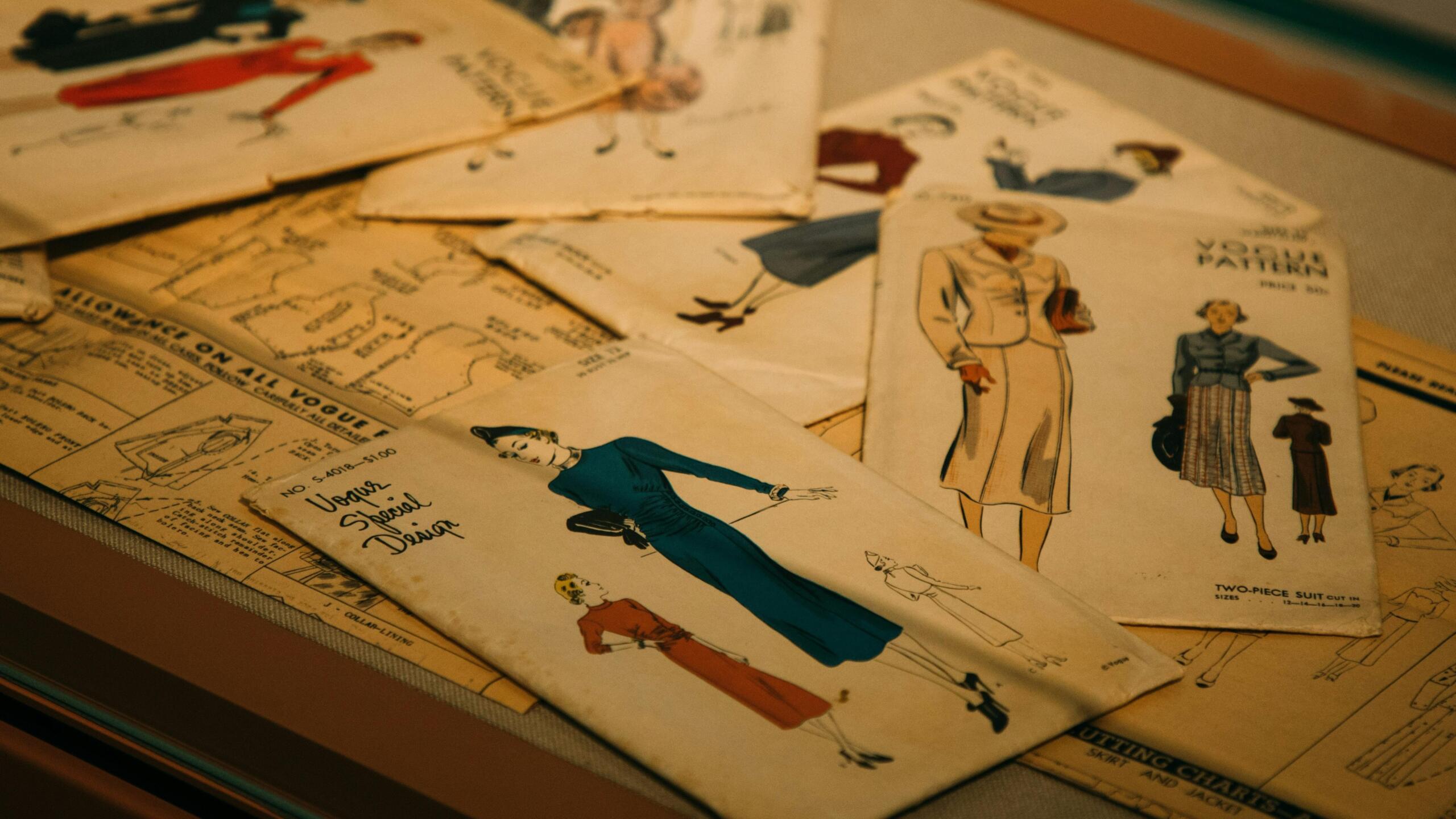
30s fashion was defined by a shift to conservatism after the Great Depression, with hemlines dropping and waistlines returning to natural. Hollywood stars like Clark Gable and Jean Harlow influenced styles for men, women, and children. The bias cut became popular for body-skimming silhouettes, and the ‘Letty Lynton’ dress inspired romanticism. Fashion became more democratic through cinema and affordable copies. 30s fashion is a period of style influenced by Hollywood glamour and the Great Depression, characterized by conservative silhouettes, bias-cut gowns, padded shoulders, and democratized trends through film. This era saw a significant transformation in how people dressed, making style more accessible than ever before.
What Is 30s Fashion? An Introduction to the Democratic Style of the 1930s
In the 1930s, fashion was profoundly influenced by films and Hollywood, alongside the economic realities of the Great Depression. This confluence of factors led to a distinct style that was both glamorous and practical. What defines 30s fashion is its move towards conservatism, a deliberate shift from the liberation of the 1920s. Hemlines dropped significantly, returning to ankle length, and waistlines re-established their natural position, creating softer, more feminine silhouettes. The styles seen on screen, worn by stars like Clark Gable, Jean Harlow, and Shirley Temple, became aspirational yet attainable for the average person.
The Great Depression’s impact on fashion was immediate and profound.
How Did the Great Depression Change 1930s Fashion Silhouettes?
The economic downturn following the 1929 stock market crash dramatically reshaped fashion, leading to more conservative and restrained silhouettes. With the 1929 stock market crash, hemlines descended to ankle length and waistlines moved to their natural place, a stark contrast to the dropped waists and shorter skirts of the previous decade. Early 1930s simple lines hugged curves, creating a soft, feminine silhouette, unlike the 1920s sack-like silhouette. Cally Blackman, a lecturer at Central Saint Martins, wrote in ‘100 Years of Fashion’ about this evolving silhouette in the early 1930s, noting the return to more traditional feminine forms.
Eveningwear was dominated by the body-skimming silhouette, while daywear returned to romanticism with floral, plaid, and dot patterns. Smart suits with crisp lines and sculptural, defined shoulders were popular; the exaggerated shoulder was a hallmark of the era, providing structure and a sense of power amidst difficult times. What changed in 1930s fashion after the stock market crash was a general move towards more modest and feminine styles, influenced by both a desire for comfort and a need for practicality.
As silhouettes slimmed, designers like Madeleine Vionnet introduced the bias cut to achieve this new shape.
What Was the Bias Cut and How Did It Shape 1930s Fashion?
The bias cut became a popular method for creating body-skimming garments, allowing fabrics to drape and mold to the wearer’s form. This technique involves cutting fabric at a 45-degree angle to the warp and weft threads of the loom, which allows the material to stretch and flow more easily. Designer Madeleine Vionnet began using the bias cut in the 1920s, but it truly came into its own in the 1930s, enabling the creation of elegant, fluid garments that were both sophisticated and sensuous without being overly revealing.
What is the bias cut in fashion? It is a cutting technique that utilizes the diagonal grain of the fabric to achieve a graceful drape and cling. How did the bias cut influence 1930s clothing? It was instrumental in achieving the slinky, form-fitting evening gowns that became synonymous with the era’s glamour, as well as softer, more flowing day dresses. The bias cut became a popular method for creating body-skimming garments.
From technical innovations, we turn to the glamorous influence of cinema.
How Did Hollywood Stars Like Jean Harlow Influence Women’s 1930s Fashion?
Hollywood stars were instrumental in democratizing fashion, bringing high-end glamour to the masses and inspiring everyday style. Women looked to movie stars like Greta Garbo, Marlene Dietrich, and Bette Davis for fashion inspiration, aspiring to emulate their elegance and sophistication. The rise of the makeup and beauty industry during this period allowed women to copy stars’ looks at a small cost, further bridging the gap between celebrity and the public.
A pivotal moment occurred when Joan Crawford wore a white organdie gown designed by MGM costume designer Gilbert Adrian in the 1932 film ‘Letty Lynton’. The Adrian gown had a nipped waist, full skirt, and huge puffed sleeves; its romantic embellishments captivated audiences. Macy’s sold about half a million copies of this iconic dress in 1932, demonstrating the immense power of film to drive fashion trends. The ‘Letty Lynton’ dress inspired a return to romanticism in 1930s fashion, proving that cinematic costumes could have a direct and widespread impact on consumer choices.
Women weren’t alone; men’s fashion was similarly transformed by Hollywood and casual trends.
How Did Men’s Fashion Evolve in the 1930s? From Formal to Casual
Menswear in the 1930s saw a significant shift away from rigid formality towards a more relaxed and casual aesthetic, heavily influenced by cinema. Menswear shifted focus to movies for fashion inspiration; sales of undershirts slumped after Clark Gable revealed he wasn’t wearing one in the 1934 film ‘It Happened One Night.’ Fashion writer Colin McDowell noted that cinema gave birth to the blue-collar style leader, with fashion percolating up through the classes as ordinary people adopted the looks of their favorite stars.
| Style Element | Early 1930s | Mid-to-Late 1930s |
|---|---|---|
| Silhouettes | Generous, relaxed fits | Wider shoulders, tapering sleeves |
| Trousers | Wide-legged, cuffed | Wide-legged, creased, cuffed |
| Patterns | Plaid, stripes | Sharkskin, pinstripes |
| Casual Wear | Knitted sweaters, soft shirts | Sports jackets, blazers |
| Accessories | Less emphasis | Less emphasis |
Casual wear like knitted sweaters and soft-collared shirts became increasingly popular for men; ties were no longer obligatory for many occasions. Colin McDowell listed formal dress boots, spats, gloves, canes, waistcoats, stiff collars (except with city suits), and white tie and tails as items abandoned from men’s wardrobes in the 1920s and 1930s. The material sharkskin gained popularity for suits in the mid-to-late 1930s; white tuxedos were favored in warm climates. Sports, physical activity, and suntans continued to influence men’s fashion; blazers and sports jackets with flannel trousers were popular styles. Trouser legs continued to be wide at the bottom, creased, and cuffed; plus-fours and tweed remained popular materials. Suits featured wide, padded shoulders and tapering sleeves; military-inspired trench coats and leather bomber jackets saw popularity.
For children, fashion was shaped by both the adorable Shirley Temple and the necessity of flour sack dresses.
How Did Shirley Temple and the Great Depression Shape Children’s Fashions in the 1930s?
Children’s wear in the 1930s reflected the dual influences of Hollywood’s charm and the economic realities of the Great Depression. Girls’ dresses returned to the natural waist, moving away from the shapeless styles of the 1920s. Cotton and muslin were popular fabrics for girls’ dresses, with embellishments including embroidery, piping, and ruffles adding a touch of decorative flair. Peter Pan collars continued to be popular; puffed sleeves, high-waists, and severely short dresses for younger girls were popular due to child star Shirley Temple.
Shirley Temple began her career at age four in 1932, and her golden ringlets and frilly dresses quickly became an iconic look that influenced young girls’ fashion worldwide. In 1935, Sears Roebuck featured a Shirley Temple line of fashions for girls inspired by the child actor’s roles, making her signature styles readily available. Older girls wore longer dresses falling just above the knees, paired with ankle socks and Mary Jane shoes. Sailor suits and dresses continued to be popular for both young boys and girls; younger boys wore corduroy shorts and cotton shirts. Boys’ clothing echoed adult counterparts as they got older, with wool and flannel suits worn by older boys. Due to the Great Depression, flour sack dresses became a phenomenon for US girls; flour manufacturers began printing patterns on the sacks so that girls could use the fabric to make dresses, a testament to resourcefulness during hard times.
From children to adults, the theme of accessibility becomes clear.
How Did Cinema Democratize Fashion in the 1930s?
Cinema democratized fashion by making glamour accessible to a wider audience than ever before. Cally Blackman wrote that cinema democratized fashion by making glamour accessible, as movie theaters offered an escape and inspiration during the challenging years of the Great Depression. The elaborate costumes seen on screen, worn by beloved actors, provided a visual benchmark for style. During the Great Depression in the US, new duties of ninety percent were imposed on copies of Paris designs, which could have stifled access to high fashion. However, fashion historian James Laver wrote that toiles, or sample garments, were allowed duty-free, enabling the sale of simplified versions for as little as fifty dollars.
This system allowed dressmakers and department stores to create more affordable versions of designer or popular film fashions, making stylish clothing attainable for people who could not afford original pieces. How did Paris copies become affordable? Through the import of toiles and the subsequent mass production of simplified, less expensive versions of popular designs.
Democratization contrasted with the surrealist high fashion of Elsa Schiaparelli.
Who Was Elsa Schiaparelli and How Did She Use Surrealism in 1930s Fashion?
Designer Elsa Schiaparelli was a visionary who brought the avant-garde art movement of Surrealism into the realm of high fashion during the 1930s. She collaborated with prominent surrealist artists Salvador Dalí and Jean Cocteau, infusing her designs with imagination and wit. Elsa Schiaparelli’s 1937 evening jacket famously featured a woman’s head replicated with a cascade of sequins down one arm, a striking example of surrealist influence.
Her 1938 Pagan collection pushed boundaries further, including a purple dress with an intricately embellished neckline and structural shoulders that defied conventional design. How did Elsa Schiaparelli incorporate surrealism into her designs? She directly collaborated with artists, drawing inspiration from their dreamlike and often shocking imagery, translating their artistic concepts into wearable art through innovative silhouettes, appliqués, and embellishments. Elsa Schiaparelli’s work offered a bold, intellectual counterpoint to the more mainstream, Hollywood-influenced styles of the decade.
From surrealism, we move to the practical styles of the late 1930s.
What Characterized 1930s Fashion at the End of the Decade?
By the end of the 1930s, fashion continued to adapt to the looming shadow of World War II and the ongoing economic struggles of the Great Depression. Broad, padded shoulders, nipped waists, and A-line skirts emerged, signaling a move towards more structured and utilitarian silhouettes that would become even more pronounced in the following decade. This shift reflected a growing sense of practicality and a need for clothing that was both durable and adaptable to changing circumstances. How did fashion change at the end of the 1930s? It became more defined in its shapes, with a focus on strong shoulders and waist definition, foreshadowing the wartime necessity for simpler, more enduring styles.
The end of the 1930s set the stage for the 1940s.
Conclusion: The Legacy of Democratized 30s Fashion
The 1930s stands as a pivotal decade in fashion history, largely due to the combined forces of Hollywood cinema and the Great Depression. These influences worked in tandem to democratize style, making fashion more accessible and relatable to people across different social and economic strata. Cinema provided aspirational yet imitable looks, while economic hardship encouraged practicality and resourcefulness. Cally Blackman, a lecturer at Central Saint Martins, wrote in ‘100 Years of Fashion’ about the evolving silhouette in the early 1930s, highlighting how societal shifts directly translated into aesthetic changes. The legacy of 1930s fashion lies in its ability to blend glamour with accessibility, creating enduring styles that continue to influence fashion today.
FAQ
Q: How did the Great Depression change 1930s fashion?
A: The Great Depression led to a return to conservatism: hemlines dropped to ankle length, waistlines returned to natural, and silhouettes became soft and feminine. Smart suits with defined shoulders also emerged.
Q: What was the bias cut in 1930s fashion?
A: The bias cut is a technique of cutting fabric 45 degrees against the weave to create body-skimming garments. Madeleine Vionnet pioneered it in the 1920s, and it became popular in the 1930s for eveningwear and day dresses.
Q: How did Hollywood influence 1930s fashion?
A: Hollywood stars like Clark Gable, Jean Harlow, and Shirley Temple set trends. Women copied stars’ looks via makeup and affordable copies, such as the Macy’s copies of Joan Crawford’s Letty Lynton gown.
Q: What did men wear in the 1930s?
A: Men’s fashion became more casual: knitted sweaters, soft-collared shirts, and sports jackets replaced formal items. Clark Gable’s lack of undershirt in ‘It Happened One Night’ caused a slump in undershirt sales.
Q: How did Shirley Temple affect children’s fashion?
A: Shirley Temple’s golden ringlets and frilly dresses popularized Peter Pan collars, puffed sleeves, and short dresses for young girls. Sears even released a Shirley Temple line in 1935.
Q: What were flour sack dresses?
A: During the Great Depression, flour sack dresses became a phenomenon. Flour manufacturers printed patterns on the sacks so that girls could use the fabric to make dresses.