Unlocking the Full Potential of Your Landscape
Imagine a shrub that hands you a bouquet of fragrant spring flowers, a cascade of jewel-toned berries in autumn, and fiery leaves just when the garden starts to fade. That is the magic of a well-placed viburnum. Yet many gardeners plant them, watch them struggle, and wonder what went wrong. If you are serious about growing viburnum successfully, these seven secrets will transform your approach from hopeful planting to confident gardening. Let us dig into the specific strategies that turn a mediocre viburnum into the star of your yard.
Secret 1: Matching Your Goals with the Right Variety for Growing Viburnum
The viburnum genus contains over 150 species, which means there is a perfect fit for almost every garden scenario. The most common mistake people make is choosing a plant solely for its flowers without considering its mature size or zone tolerance. A snowball bush viburnum (Viburnum opulus ‘Roseum’) can reach 12 feet wide, which is far too large for a compact foundation planting.
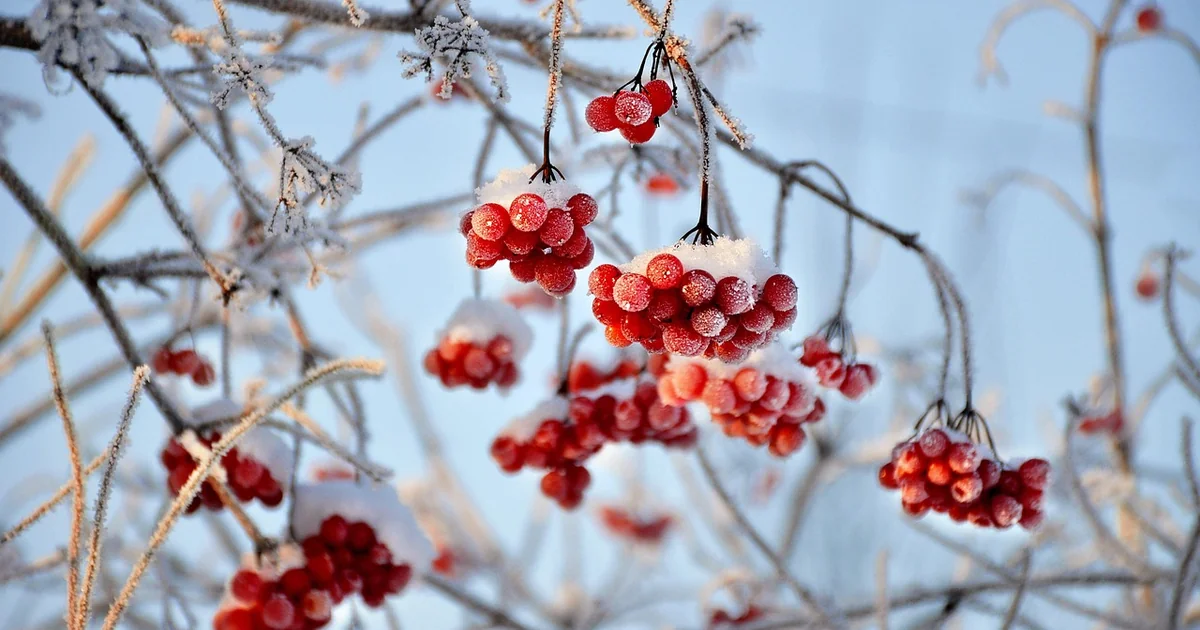
For growing viburnum in colder regions (Zones 2 through 5), look for Viburnum trilobum, commonly called American cranberry bush. It produces bright red berries that persist into winter and offers excellent fall color. Gardeners in warmer zones (8 and 9) should consider Viburnum tinus, an evergreen option that blooms in late winter. If fragrance is your priority, seek out Viburnum burkwoodii or Viburnum carlcephalum. Their perfume carries across the entire yard on a still spring evening.
Take time to research the specific cultivar before you buy. The tag should list mature height, spread, and hardiness zone. Ignoring these numbers leads to overcrowding and disappointment. When you align the plant’s natural tendencies with your garden’s conditions, growing viburnum becomes a delight rather than a battle.
Secret 2: Decoding the Light Requirements for Maximum Blooms
Viburnum bloom time falls anywhere from early spring to late summer, depending on the species. However, the quantity and quality of those blooms depend almost entirely on sunlight. Full sun, defined as at least six hours of direct light per day, produces the densest flower clusters, the most abundant berries, and the most intense autumn foliage color.
A common problem arises when gardeners plant viburnums in heavy shade, hoping the shrub will brighten a dark corner. In deep shade, the plant becomes leggy. Stems stretch toward the light, leaves remain sparse, and flowering drops dramatically. The shrub survives, but it never thrives.
Some thick-leaved varieties, such as Viburnum davidii or Viburnum rhytidophyllum, tolerate dappled shade better than others. Their leathery foliage handles lower light levels without becoming lanky. Even so, you will see a noticeable improvement in performance if you give them a spot with morning sun and afternoon shade. Observe your yard across an entire day before you dig. Mark where the light falls. That simple observation is one of the most powerful tools for successful growing viburnum.
Secret 3: Creating the Ideal Soil Bed
Viburnum bushes grow in most types of soil, but they prefer slightly acidic well-drained soil with a pH between 5.5 and 6.5. The phrase “well-drained” is not a suggestion; it is a requirement. Viburnum roots need oxygen to function. When soil stays soggy, the roots suffocate, and rot sets in.
Heavy clay soil is the most common culprit behind failing viburnums. Water pools around the root ball, and the plant slowly declines. If your yard has clay, do not despair. You can amend the soil by mixing in organic matter such as compost, aged pine bark, or peat moss before planting. This creates what soil scientists call friable loam, a crumbly texture that holds moisture without becoming waterlogged.
Sandy soil presents the opposite problem. Water drains too quickly, and nutrients wash away. Again, organic matter is the solution. Compost acts like a sponge, holding moisture and nutrients near the roots. Before planting, dig a hole two to three times wider than the root ball. Mix the native soil with equal parts organic amendment. This gives the roots a welcoming environment from day one. A simple percolation test, digging a hole, filling it with water, and watching how fast it drains, tells you everything you need to know about your soil’s drainage.
Secret 4: The Planting Foundation for Successful Growing Viburnum
The way you set the plant into the ground determines its health for years to come. The most critical rule is to plant at the same depth as the nursery container. Burying the stem below the soil line invites rot and disease. A hole that is too narrow forces roots to circle, eventually strangling the plant in a condition known as girdling root.
Follow this sequence for best results. Remove the plant from its container. Use your fingers to loosen any roots that spiral around the root ball. Dig a hole that is two to three times wider than the root ball but no deeper. Place the shrub in the center. Backfill halfway with the native soil and organic matter mix. Water thoroughly to settle the soil around the roots. Finish backfilling, then water again. This two-step watering process eliminates air pockets that can dry out roots.
For gardeners in windy areas, larger viburnums benefit from staking during their first year. Use two stakes placed outside the root ball and soft ties to secure the trunk. Remove the stakes after one growing season so the plant develops its own strength. Proper planting is the single most impactful step in the entire growing viburnum journey.
Secret 5: Watering Wisdom and the Less-is-More Fertilizer Rule
Once planted in a good location, viburnum bushes need little attention. That statement is both the best news and the hardest lesson for new gardeners to accept. Overwatering and overfertilizing cause more problems than neglect.
Young shrubs need consistent moisture during their first growing season. Water deeply once a week if rainfall is scarce. Deep watering encourages roots to grow downward, making the plant more drought tolerant later. After the first year, viburnums are remarkably resilient. They can handle dry spells without complaint. If there are drought conditions, a thorough soaking every two weeks is sufficient.
Fertilizer is another area where restraint pays off. Viburnums are not heavy feeders. Applying a high-nitrogen fertilizer encourages lush green leaves at the expense of flowers and berries. For young shrubs, a single application of slow-release tree and shrub fertilizer in early spring is plenty. Look for a formulation with a balanced ratio, such as 10-10-10 or 14-14-14. After they are well-established, they do not require fertilizer at all. If your soil is poor, a layer of compost spread around the base each spring provides all the nutrients they need without the risk of burning the roots.
Secret 6: Pruning with Purpose and Perfect Timing
Most viburnums do not require pruning other than to remove dead or diseased branches. That said, occasional shaping keeps the shrub looking its best. The critical factor here is timing. Viburnums bloom on old wood, meaning the flower buds form during the summer for the following spring. If you prune in late summer, fall, or early spring, you cut off those buds and sacrifice the entire bloom show.
You may also enjoy reading: 11 Best Garden Stools of 2026.
The ideal window for pruning is immediately after the flowers fade in late spring or early summer. This gives the plant the entire growing season to set new buds. If you need to do heavy renovation pruning on an old, overgrown shrub, you can cut it back to about 6 inches above the ground. This is called rejuvenation pruning. The shrub will spend the next season growing new stems, and you will sacrifice blooms for one year. In the second year, the plant returns fuller and more vigorous than before.
Never remove more than one-third of the healthy wood in any single pruning session. Removing too much stresses the plant and leaves it vulnerable to pests and sunscald. Use clean, sharp bypass pruners to make clean cuts at a 45-degree angle just above a bud or lateral branch. Good pruning habits keep the shrub healthy and productive for decades.
Secret 7: Staying Ahead of Pests and Diseases Naturally
Viburnum bushes attract various pests in the garden, but the most destructive is the viburnum leaf beetle (Pyrrhalta viburni). This pest was first detected in North America in 1978 and has since spread across the eastern and central states. The larvae feed on leaves in spring, and the adults continue the damage in summer. A severe infestation can defoliate a plant completely.
The best control strategy is mechanical and preventive. In late winter, inspect the twigs for small, dark egg masses. Prune out and destroy any infested twigs. This removes the next generation before they hatch. For existing larvae and adults, insecticidal soap or horticultural oil works well without harming beneficial insects. Apply it in the early morning or late evening to avoid leaf burn.
Scale insects and aphids also appear on viburnums from time to time. Scale looks like small, brown bumps on the stems. You can scrape them off with your fingernail or treat them with dormant oil in late winter. Aphids cluster on new growth and excrete sticky honeydew. A strong blast of water from the hose knocks them off easily. In shaded conditions, black spot fungus can develop. Improve air circulation by thinning out crowded branches, and water at the base of the plant rather than overhead. Healthy plants resist pests better than stressed ones, so focus on the first six secrets, and pest problems will remain rare.
Frequently Asked Questions About Growing Viburnum
When is the best time to plant viburnum shrubs?
Early spring and early fall are the ideal planting windows. Spring planting gives the roots the entire growing season to establish before winter. Fall planting allows the roots to settle in during cool weather without the stress of summer heat. Avoid planting during the peak of summer or when the ground is frozen.
Why is my viburnum not flowering?
The three most common reasons are insufficient sunlight, pruning at the wrong time, and excessive nitrogen fertilizer. Ensure the shrub receives at least six hours of direct sun. If you pruned after midsummer, you likely removed the flower buds for the next year. Switch to a balanced or phosphorus-rich fertilizer to encourage blooms.
Can viburnum grow in shade?
Some species tolerate partial shade, but full sun is always better for flowering and berry production. Viburnum davidii and Viburnum rhytidophyllum are the best choices for shadier spots. Even these will produce fewer flowers than they would in sun, but the foliage remains attractive.
How fast do viburnum bushes grow?
Growth rate depends on the species and growing conditions. Most viburnums grow at a moderate rate of 1 to 2 feet per year. Some, like Viburnum plicatum, are slower and more compact. Others, like Viburnum dentatum (arrowhead viburnum), can reach their full height in three to five years under ideal conditions.
Do viburnums lose their leaves in winter?
It depends on the variety. Deciduous viburnums drop their leaves in fall, often after a spectacular display of red, orange, or burgundy foliage. Evergreen and semi-evergreen species, such as Viburnum tinus and Viburnum pragense, hold their leaves through winter, providing year-round structure in the garden.
Growing viburnum does not require a master gardener’s certification. It requires observation, patience, and a willingness to work with the plant’s natural rhythms. Choose the right variety for your space. Give it sun, good soil, and a proper start. Water wisely, prune at the right moment, and watch for pests. Follow these seven secrets, and your viburnum will reward you with beauty in every season.