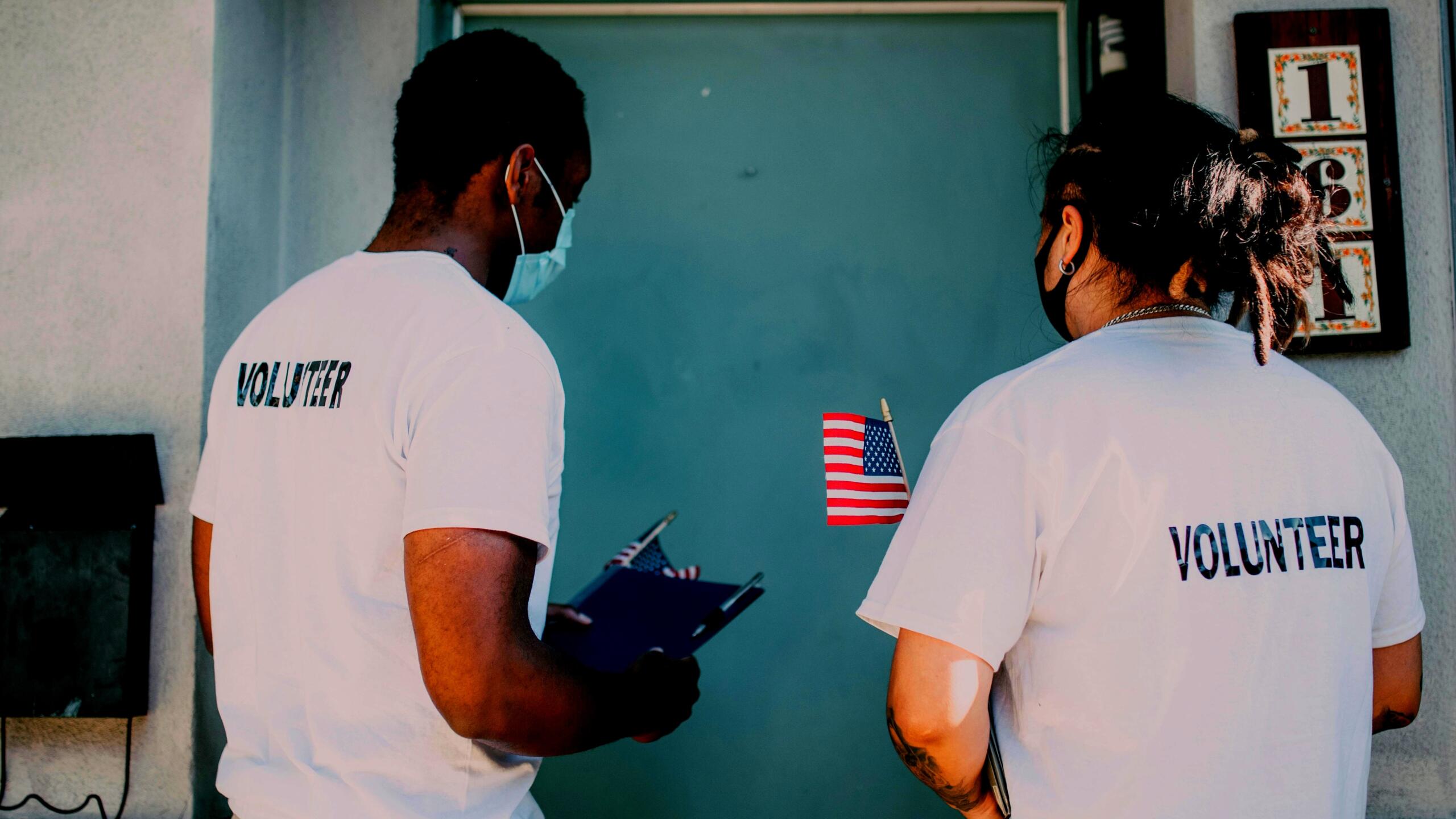
CRM for nonprofits like Salesforce for Nonprofit uses AI tools to streamline program management and grantmaking. With Einstein AI, nonprofits can generate summaries of client meeting notes and program performance, as well as summarize grant progress for board review. This helps organizations save time and focus on their mission. CRM for nonprofits is a customer relationship management system tailored for nonprofit organizations to manage fundraising, marketing, program management, and grantmaking. This article explores why adopting such a system is essential for modern nonprofits.
Why CRM for Nonprofits Is Essential for AI-Powered Program Management
Nonprofits should adopt a CRM with AI capabilities because the technology centralizes data and automates manual tasks, freeing staff to focus on mission-driven work. According to Salesforce, its platform is the leading nonprofit software for fundraising, marketing, program management, grantmaking, and volunteer management.
By integrating AI, nonprofits can derive actionable insights from client interactions and program outcomes without manual analysis. For example, Einstein AI automatically generates summaries of meeting notes and performance metrics, reducing administrative overhead.
This allows program managers to quickly assess impact and adjust services. A CRM also provides a single source of truth that ensures AI models use reliable data, enabling accurate predictions and recommendations. Without such a system, staff often spend hours compiling reports from disparate spreadsheets.
For nonprofits operating with lean teams, time saved translates directly into resources for constituents. AI-powered CRMs for nonprofits are thus not just database tools—they are strategic assets that turn data into mission momentum. Let’s start by understanding the core platform.
What Is Salesforce Nonprofit Cloud?
Salesforce Nonprofit Cloud is the foundational platform that powers Salesforce for Nonprofit, providing a unified system for managing relationships, programs, and grants. Nonprofit Cloud includes preconfigured objects for donors, volunteers, programs, and grants, allowing organizations to start quickly with functionality aligned to their workflows. The platform supports customizable dashboards and automation rules-based data sharing, so staff see only the records relevant to their role. Nonprofit Cloud also integrates with Einstein AI tools for automation and predictions. By building on this core, nonprofits can scale from basic contact management to complex program evaluation and grant lifecycle management without custom development. The cloud is built with nonprofit-specific data models, such as the Nonprofit Success Pack (NPSP), which standardizes how donations, soft credits, and recurring gifts are tracked. This foundation means that AI features in Einstein can pull from cleanly structured data across fundraising, programs, and grants. Now, explore how Einstein AI enhances program management.
How Does Einstein AI Enhance Program Management?
- Automate meeting note summaries – Einstein AI ingests meeting transcripts or notes entered by caseworkers and generates concise summaries highlighting key actions, client concerns, and next steps.
- Generate performance reports – The AI analyzes program metrics on program outputs—such as number of classes taught or meals served—and creates plain text language summaries describing trends and anomalies.
- Identify at‑risk participants – By processing client interaction history and outcome data, Einstein flags individuals who may be falling off track, enabling staff to proactively intervene.
- Predict program outcomes – Einstein uses historical data to forecast completion rates or likelihood of positive outcomes, helping managers allocate resources where they are needed most.
- Deliver insights in real time – Summaries and predictions appear within the Nonprofit Cloud interface, so program coordinators see actionable information without leaving their primary workflow.
These steps eliminate the need for manual data combing through notes or building manual pivot tables, giving program managers hours back each week. Next, see how the same AI streamlines grantmaking.
How Can AI Streamline Grantmaking for Nonprofits?
- Summarize grant progress – Einstein AI reads grantee reports, narrative updates, and financial data to produce a concise progress summary for each active grant.
- Create distilled board applications – The AI extracts key details from lengthy proposals—mission alignment, mission alignment, budget details, and anticipated impact, and formats into a short, board‑ready application summary.
- Flag compliance issues – Einstein scans report language for terms that indicate risk, such as unexpected delays or budget overruns, alerting grants managers for review.
- Automate status updates – Grant officers receive automatic notifications with AI-generated bullet points on grantee achievements, reducing time spent writing status reports from multiple sources.
- Enable comparison across portfolios – Einstein aggregates summaries from many grants, allowing foundation staff to see macro‑level performance themes at a glance.
According to data from Salesforce, organizations that use Einstein for grantmaking can process more applications and monitor progress more closely without expanding staff. Grants that would take days to review can now be evaluated in minutes. Beyond these applications, the platform offers comprehensive features.
What Features Does Salesforce for Nonprofit Offer?
- Fundraising – Manage donations, pledges, recurring gifts, and direct mail campaigns with the Nonprofit Success Pack. Track donor engagement and personalize outreach based on giving history and donor preferences.
- Marketing and Engagement – Segment audiences by interest, past attendance, or advocacy actions, and send automated email journeys for emails, events, and social media campaigns.
- Program and Outcome Management – Record client enrollments, sessions, and outcomes. Use dashboards to show program impact across multiple programs and pivot to evidence‑based programming.
- Grantmaking – Administer the entire grant lifecycle from application to reporting. Automate applicant communication and track fund disbursement with Einstein summarization.
- Volunteer Management – Schedule shifts, track hours, verify certifications, and communicate with volunteers through a unified portal.
- Social Services – Manage case files, referrals, eligibility and service delivery with role‑based access to sensitive client data.
- Humanitarian and Crisis Relief – Rapidly register disaster survivors, coordinate supply distribution, and track aid delivery using mobile‑friendly forms.
- Environment, Nature, and Energy – Monitor conservation projects, membership renewals, and volunteer efforts.
- Affordable Housing – Manage tenant income certification, rent calculations, and property inspections.
- United Nations and iNGOs – Support multinational reporting, project tracking, and donor compliance standards.
- Philanthropy and Foundations – Handle grant allocations, trustee communications, and impact measurement for endowed funds.
- Affiliation and Membership Organizations – Manage chapter hierarchies, member renewals, and event registrations across geographic areas.
Real-world examples show how nonprofits harness this technology.
How Are Nonprofits Building a Trusted Data Foundation for AI?
Nonprofits must establish a trusted data foundation before AI delivers reliable results. This foundation means cleansed, de‑duplicated data stored in a unified platform like Salesforce for Nonprofit. According to Salesforce, more than 10 organizations are currently building such a foundation toward AI readiness. They focus on manually reconciling legacy records, setting consistent field definitions, and controlling access permissions so the AI only trains on approved data.
A trusted foundation also ensures that predictions and summaries are based on accurate and current information, preventing AI from amplifying errors. For example, if a program record has missing outcome fields, Einstein might produce incomplete reports that mislead. By investing in data hygiene and governance, these organizations ensure that AI outputs can be used with confidence for decision‑making. Data shows that nonprofits with a trusted data foundation see significantly better AI results. Finally, a real-world example shows the transformative impact.
Conclusion: Maximize Mission Impact with AI-Powered CRM
By adopting an AI-powered CRM like Salesforce for Nonprofit, nonprofits can streamline program management and grantmaking by automating summary generation and drawing insights out of complex data. Nonprofits that invest in a trusted data foundation gain the most from Einstein AI. A notable example is Pacific Clinics, a behavioral health provider. Kathryn McCarthy, CEO and President of Pacific Clinics, stated that the partnership with Salesforce made a complicated situation simple and accessible and is a game changer. Her organization used the platform to integrate formerly siloed data across multiple funding streams, allowing real‑time tracking of client outcomes and grant progress. The result was faster reporting to funders and more time for direct care. For any nonprofit, the CRM becomes a strategic hub that turns raw data into mission action.
FAQ
Q: What is a CRM for nonprofits?
A: A CRM for nonprofits is a customer relationship management system tailored for organizations to manage fundraising, marketing, program management, and grantmaking. Salesforce for Nonprofit is a leading platform with AI tools.
Q: How does Einstein AI enhance program management for nonprofits?
A: Einstein AI automatically generates summaries of client meeting notes and program performance, saving time and allowing nonprofits to focus on their mission.
**Q: How does Salesforce AI simplify grantmaking?
A: Einstein AI summarizes grant progress and creates distilled applications for board review, streamlining the grantmaking process.
Q: What features does Salesforce for Nonprofit include?
A: Salesforce for Nonprofit includes features for fundraising, marketing, program management, grantmaking, volunteer management, social services, and more for diverse nonprofit sectors.