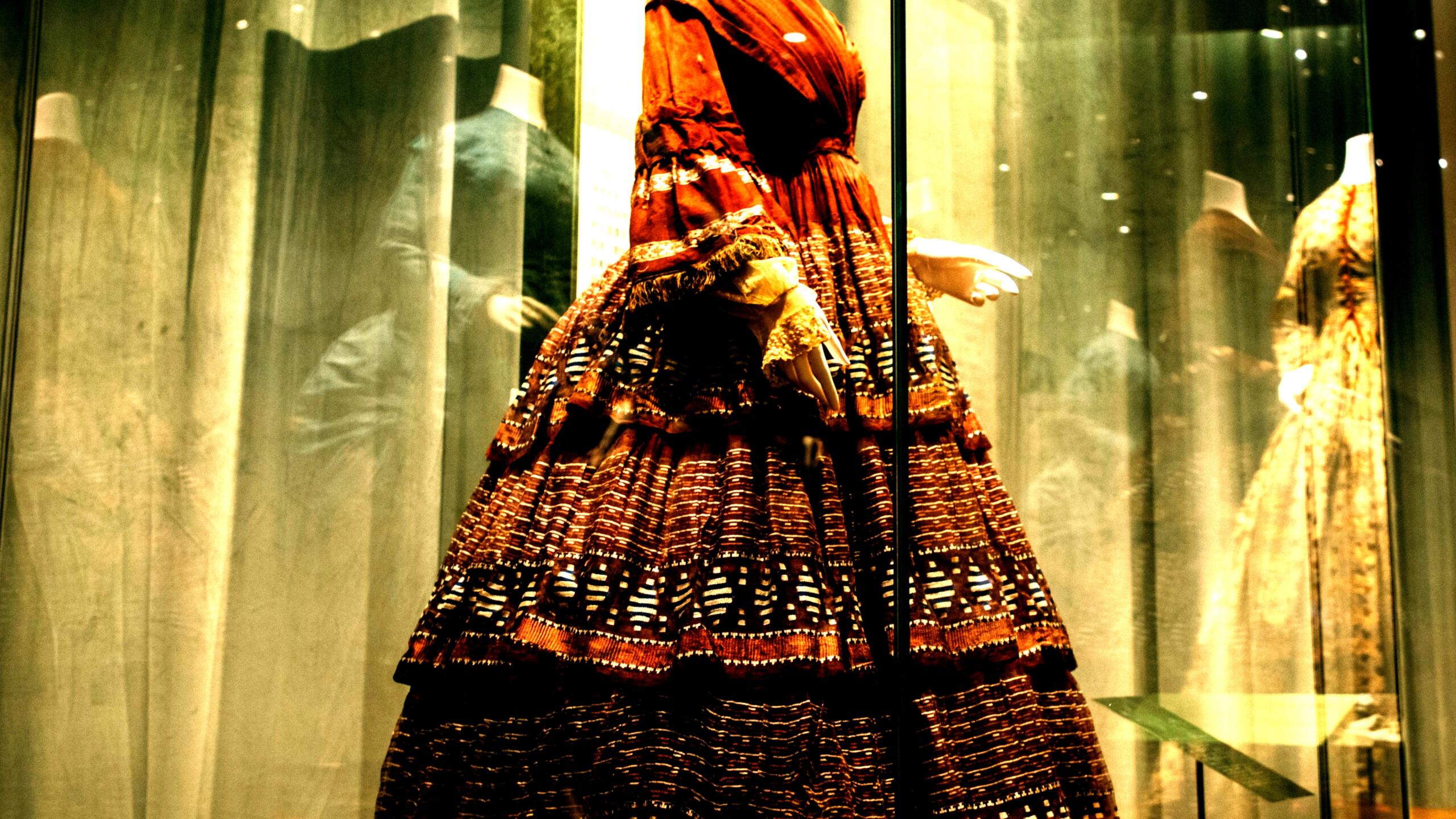
Working class 1840s fashion consisted of sturdy, practical garments for daily labor, with separate ‘Sunday best’ outfits for church. Men wore cotton trousers and work boots, women wore plain dresses with aprons, and children wore shortened adult styles. All garments were typically hand-sewn at home or by local seamstresses due to limited ready-made options. Working class 1840s fashion refers to the affordable, practical clothing worn by laborers and their families, typically consisting of two outfits: one for work and one for Sunday best, all hand-sewn.
For historical reenactors, authenticity begins with understanding the distinct wardrobes of working class men, women, and children. Their clothing was defined by durability, resourcefulness, and the clear division between garments for toil and those for social or religious occasions. This guide compares the daily and dress attire for each group, providing a foundation for creating accurate portrayals of 1840s life.
What were the key characteristics of working class 1840s fashion for men, women, and children?
The 1840s silhouette shifted from the exaggerated styles of the previous decade toward a more restrained, natural look. Working class families adopted these broader trends using affordable materials and simplified construction. Key characteristics for each group can be compared in the following table.
| Group | Key Silhouette Characteristics | Typical Daily Wear | Notable Distinctions |
|---|---|---|---|
| Working Class Men | Trousers were full-length; jackets and vests were common. Men’s pants did not need to match jackets in the 1840s style, and were often light colored, tweed, or plaid. Vests allowed men a bright pop of color. | Sturdy cotton work pants and work boots. | The Victorian sense of refinement without ostentation translated to muted, serene color choices. |
| Working Class Women | Long, fitted bodice ending in a V-point just below the natural waist replaced the 1830s empire waist. Big balloon sleeves were exchanged for arm-hugging styles. Women’s fashions included floor-length dresses with dropped shoulders. | Plain, practical dresses, often with aprons. | Dress skirts increased in fullness throughout the 1840s, supported underneath by multiple petticoats. |
| Working Class Children | Girls wore long white cotton pantalettes peeking out from beneath the hem. Young boys wore long tunic shirts and trousers. | Shortened versions of adult clothing. | Both boys and girls wore shortened dresses until about age four or five. |
How did working class men dress in the 1840s?
Working class men’s attire was practical, layered, and built around the concept of owning just two complete outfits. Laborers wore sturdy cotton work pants and work boots. A vest or waistcoat provided warmth and a rare opportunity for color, while a jacket, often mismatched to the trousers, completed the ensemble.
The expense and time required to make or buy clothes meant that working-class men and women typically owned two outfits in the 1840s: one for work and one for ‘Sunday best’. The work outfit was made of hard-wearing fabrics like cotton or wool tweed, while the Sunday best featured slightly finer cloth and better maintenance. Clothing was most often sewn by hand at home or, for the more affluent, by tailors or professional seamstresses. Fabrics were purchased from shops in cities or, in rural areas, potentially woven at home.
This style is ideal for portraying urban laborers, factory workers, craftsmen, or farmhands. The muted color palette and practical, sturdy fabrics accurately reflect the clothing of men engaged in physical labor.
How did working class women dress in the 1840s?
Working class women’s fashion balanced the era’s stylistic ideals with the demands of domestic and manual labor. The foundational garment was a corset, which had a center front channel for a long flat busk of steel, wood, or whalebone. Over this, women wore dresses with a long, fitted bodice ending in a V-point. Dress skirts increased in fullness and weight throughout the 1840s, supported by multiple petticoats or smaller crinoline hoops for casual wear and larger hoops for dressy occasions.
For daily chores, a woman would wear a plain, dark-colored dress protected by a large apron. For outings, women wore shawls or pelerines (short shoulder-covering capes), overdresses, and a bonnet or hat. Few items of women’s dress were available ready-made except corsets, cloaks, and mantles, making home sewing an essential skill.
Garments were constantly maintained and altered; women re-altered their gowns to keep up with changing styles because fabric was hard to obtain. Women also had to relearn walking and sitting while wearing a crinoline, as the large cage skirt required new physical adjustments for daily movement.
How did working class children dress in the 1840s?
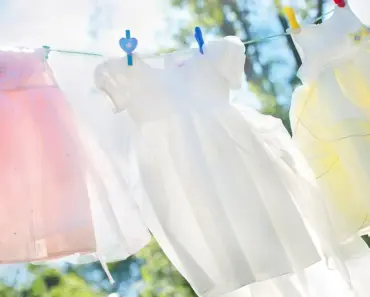
Children’s clothing in the 1840s was largely a simplified version of adult fashion, with key distinctions based on age. Both boys and girls wore shortened dresses until about age four or five. Infants wore long short-sleeved dresses, usually white for easy laundering.
When babies reached about nine months old, they were put into shorter frocks with short cotton drawers. Toddler dresses often featured set-in waistbands and full skirts, with a short cap sleeve being most common.
Girls dressed as miniature adults, with the length of dresses often being the only distinguishing feature. They wore long white cotton pantalettes peeking out from beneath the hem. By age five, a girl’s hemline was just below the knee; by twelve, it was mid-calf.
Younger girls’ dresses could be off-the-shoulder, unlike women’s high necklines. Girls began corset training as young as ten, wearing lightly boned cotton corsets.
Boys were breeched at about age five, receiving their first pair of trousers. They then wore tunics or long shirts over trousers. Around age ten, a boy graduated to trousers and jackets. By mid-teens, boys could dress in frock coats and top hats, like their fathers.
What were the daily workwear and Sunday best outfits for working class families in the 1840s?
The division between work clothes and Sunday best was a fundamental aspect of 1840s working class life. This table breaks down the typical components of each for different family members.
| Group | Daily Workwear | Sunday Best |
|---|---|---|
| Men | Sturdy, often light-colored cotton or tweed trousers; heavy work boots; simple shirt; practical vest or waistcoat; worn jacket or smock. | Darker, better-kept trousers; a clean shirt; a finer vest (possibly with color); a frock coat; a silk top hat or broad-brim felt hat. |
| Women | Dark-colored, sturdy dress; large protective apron; smaller, practical petticoats; simple cap or kerchief for hair. | Best dress, often in a finer fabric with more trim; larger crinoline for fuller skirt; shawl or pelerine; bonnet; gloves (if owned). |
| Children | Hard-wearing, shortened dresses (young children) or tunics and trousers; play aprons; simple caps or straw hats. | Clean, best version of their standard attire; girls’ dresses with visible pantalettes; boys in their best jacket; special occasion hats. |
People in cities could buy fabrics from shops, while in rural areas, women often had to weave the fabric as well. Many people imitated the illustrations in fashion magazines, adapting styles with available materials. Synthetic dyes had not been invented yet; clothing was dyed naturally using plants.
How did working class families afford, make, and maintain their clothing in the 1840s?
Clothing represented a significant investment of time and resources for working class families. Acquisition, creation, and maintenance were domestic responsibilities centered on thrift and skill. In middle to lower class households, women sewed clothes for the whole family.
Thanks to the Industrial Revolution, many could purchase fabric in a variety of patterns from shops, though those with little means still made their own fabric at home. Outdated or worn clothing was often repaired, dyed, or remodeled. Less wealthy women altered old garments by changing sleeve styles, waistline heights, and trim, eventually making them into dresses for children to ensure no material was wasted.
How to choose authentic working class 1840s fashion for reenactments?
Selecting authentic garments requires attention to silhouette, fabric, and accessories that reflect the practicality and limitations of the working class. Choose natural fibers like wool, cotton, and linen. Avoid bright colors; opt for muted, natural dyes like browns, grays, deep blues, and earthy greens.
Silhouette is key. For women, ensure the dress has a long, fitted bodice ending in a V-point at the waist, with skirts that are very full and supported by petticoats or a small crinoline. Women’s necklines were often either high or shoulder-revealing. For men, trousers should be full-length and paired with a vest and a jacket.
Essential accessories include appropriate footwear. Flat, ballerina-style shoes completed an ensemble for women. For headwear, silk top hats were preferred for men in formal settings, while a broad-brim felt hat was acceptable in the countryside. Young boys and girls wore wide-brimmed straw hats; as boys got older, they wore peaked caps often trimmed with a tassel hanging to one side.
Recommendation by use case for working class 1840s fashion
The best outfit for a reenactor depends on the specific scenario being portrayed, as clothing was adapted to occupation and setting. For a farm laborer or family, focus on durability and sun protection. Men should wear light-colored tweed or cotton trousers, a simple shirt, a vest, and a broad-brimmed felt hat. Women should wear a dark, plain dress with a large sunbonnet and a sturdy apron.
For an urban worker or domestic servant, clothing should be neat but plain, showing some wear. A male factory worker might have darker, soot-stained trousers and a wool jacket. A female domestic servant would wear a dark dress with a white apron and cap, with a smaller crinoline suitable for moving around a home.
For a child in a working family, choose hard-wearing fabrics. A young girl should wear a shortened dress with pantalettes and a simple pinafore. A boy over five should be depicted in breeches and a tunic. Remember, access to materials, life circumstances, and economic restraints limited clothing choices for the impoverished.
Conclusion
Authentic working class 1840s fashion is characterized by practicality, limited wardrobes, and home-based production. The key for reenactors is to prioritize correct silhouette—the V-point bodice, full skirts, and layered menswear—using appropriate, muted fabrics. Clothing and props in 1840s daguerreotype photographs provide clues to a person’s occupation, interests, age, or station in life, making them invaluable references. Successful reenactment attire tells a story of resourcefulness, echoing a time when people in the 1800s put much more work into clothing themselves than people do today.
FAQ
Q: What did working class men wear in the 1840s for work?
A: Working class men typically wore sturdy cotton work pants, work boots, and a vest or waistcoat for work. They often owned just two outfits: one for work and one for Sunday best.
Q: What did working class women wear in the 1840s for Sunday best?
A: Working class women wore floor-length dresses with a fitted bodice ending in a V-point, tight sleeves, and a full skirt supported by petticoats. They also wore a bonnet and shawl for outings.
Q: What did working class children wear in the 1840s?
A: Children wore shortened dresses until about age five. Girls then wore knee-length dresses with pantalettes, while boys were ‘breeched’ into trousers and tunics. By age ten, boys wore jackets and trousers.