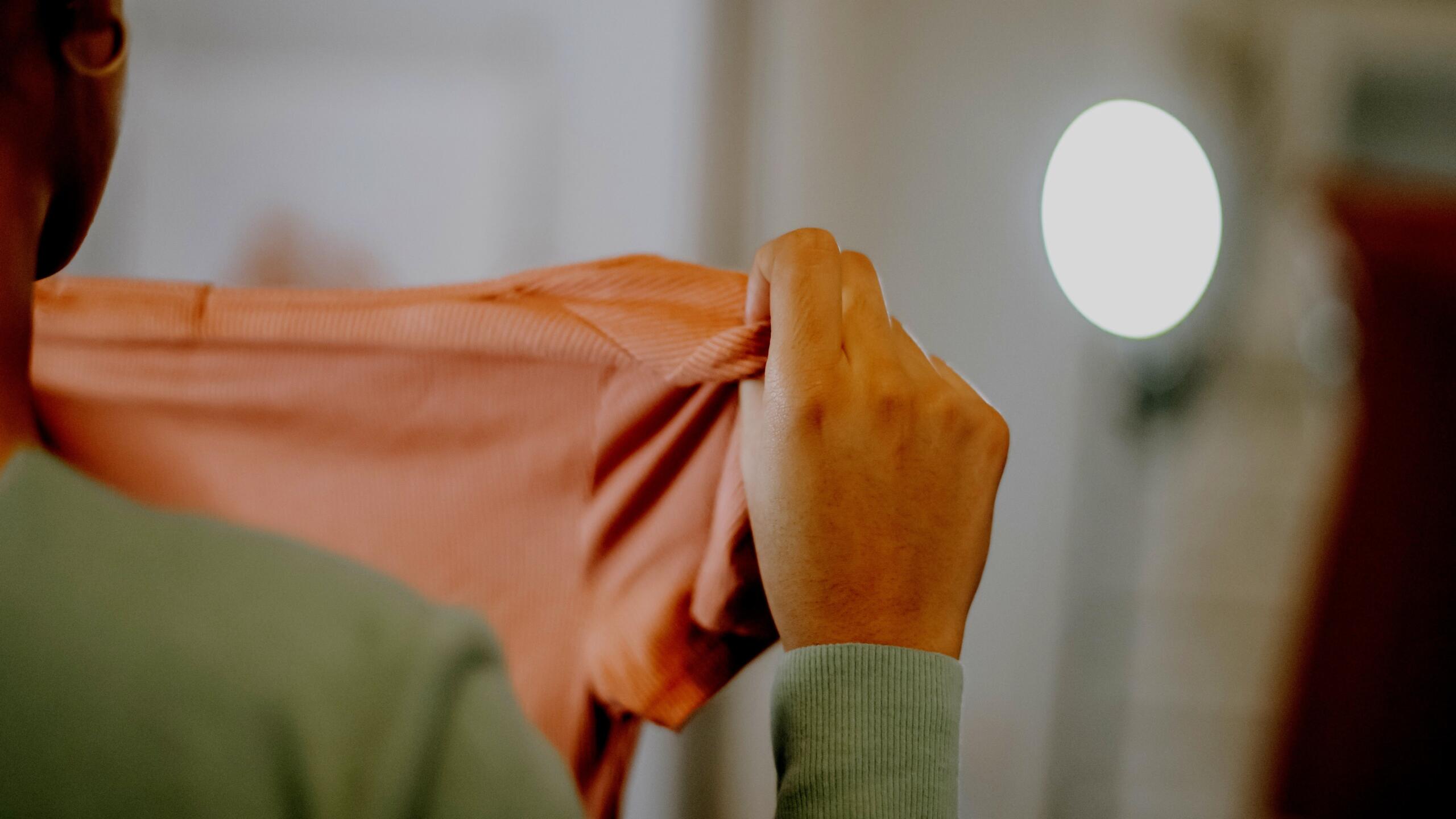
Fashion Health: How AI Try-Ons Improve Posture and Comfort
Fashion health refers to how clothing choices impact physical and mental well-being. Tight clothes can cause posture problems, foot pain, and skin irritation, while well-fitting, breathable garments boost comfort and confidence. AI try-on tools help users select clothes that promote better health by analyzing fit and fabric.
Fashion health is the concept that clothing choices directly affect physical comfort, posture, skin condition, and psychological well-being. Now, let’s explore how clothing choices actually affect your body and mind.
Clothing choices can impact physical and mental well-being. This simple truth is the foundation of fashion health, a perspective that moves beyond style to consider how garments function on the body. It’s about selecting attire that supports your physical structure, promotes skin comfort, and uplifts your psychological state. Understanding this connection empowers you to make wardrobe decisions that contribute to your overall health rather than detract from it.
What Is Fashion Health and Why Does It Matter?
Fashion health matters because your daily wardrobe is an active participant in your health. When you wear clothes that fit well and feel good, you experience a natural boost in confidence; conversely, uncomfortable clothes can lower self-esteem. This is grounded in the psychological principle of enclothed cognition, which shows clothing affects mood and performance.
This effect describes how the symbolic meaning of clothing and the physical experience of wearing it can significantly influence your mindset and capabilities. Therefore, fashion health integrates both the physical fit of clothes and their psychological impact, making your clothing choices a powerful tool for daily well-being.
How Does Clothing Affect Your Posture and Physical Health?
The fit of your clothing is a primary factor in maintaining proper posture and preventing musculoskeletal issues. Tight clothing can compress muscles and lead to poor posture and back pain. Specifically, ill-fitting items like restrictive skinny jeans can compress muscles and restrict movement, which directly contributes to poor posture, back pain, or even nerve compression.
On the other end of the spectrum, clothing that is excessively loose can create friction and make it difficult to maintain proper alignment during movement. The goal is to find a balanced fit that allows for full, natural range of motion without constriction or excess fabric that interferes with activity.
How Do Shoes Influence Your Foot Health and Posture?
Footwear is a critical component of fashion health, as it forms the foundation for your entire skeletal alignment. Shoes without adequate arch or heel support can lead to a cascade of problems, including foot pain, bunions, plantar fasciitis, and issues that travel up the kinetic chain to affect knees and the lower back. High heels are a common culprit, as they strain the spine by shifting your center of gravity and can lead to long-term posture problems. Choosing supportive, well-fitting shoes is essential for improving your natural gait, reducing undue joint strain, and promoting healthy blood flow, all of which support better posture and overall physical health.
Can Clothing Cause Skin Irritation or Circulation Problems?
The materials and tightness of your clothing directly interface with your skin and vascular system. Tight clothes or garments made from non-breathable synthetic materials can trap heat and moisture, leading to skin irritation, rashes, or exacerbating conditions like eczema. Cotton and linen fabrics are generally better for skin health.
Furthermore, consistent wear of tight clothing can affect circulation by putting pressure on blood vessels, which may contribute to issues like varicose veins over time. Selecting looser-fitting garments made from breathable materials helps maintain healthy skin and supports proper blood flow.
How Does AI Try-On Technology Improve Fashion Health?
AI-driven tools allow users to experiment with styles virtually using AI clothes changer or try-on technology, providing a powerful solution for making healthier fashion choices. With AI try-on technology, users can upload a photo and virtually try on clothes from different brands to assess fit and comfort without visiting a store. This capability helps users see how specific items look before purchase, enabling more informed decisions that prioritize physical well-being over impulse buying.
Furthermore, AI-powered styling tools can suggest clothing that complements body shape, personal preferences, and lifestyle needs. Perhaps most beneficially for health, AI can analyze fabric and material properties to help users avoid potentially irritating fabrics and instead suggest breathable, comfortable materials.
What Are Practical Examples of AI Try-Ons Improving Health?
The practical applications of this technology for health are vast. For individuals in jobs requiring prolonged sitting or standing, AI can help select clothing promoting comfort and mobility, such as ergonomic trousers or supportive footwear styles viewed virtually. A user concerned about back pain could use an AI try-on to visualize how different cuts of pants or dresses fit through the hips and waist, avoiding options that appear restrictive.
Someone with sensitive skin could leverage tools that filter for natural fabrics and see how loose-fitting a linen shirt looks on their virtual avatar. By simulating the wearing experience, these tools allow consumers to preemptively address potential health pitfalls related to fit, fabric, and foot support.
What Are Common Misconceptions About Fashion Health and AI Try-Ons?
A primary misconception is that fashion health is solely about appearance or superficial style. In reality, it is a functional approach to dressing that prioritizes the body’s needs. Another common doubt surrounds the accuracy of AI try-ons for judging fit.
While not a perfect replacement for physically trying on an item, modern AI technology provides a highly accurate visual approximation that is invaluable for assessing proportion, length, and general fit aesthetics, especially when compared to standard size charts. These tools are designed to reduce the guesswork and subsequent health risks of online shopping, not to eliminate the need for consideration of personal comfort entirely.
Conclusion
Fashion health transforms clothing from a mere aesthetic choice into a cornerstone of daily well-being. By understanding how tight fits impair posture, poor shoes harm feet, and synthetic fabrics irritate skin, you can make proactive choices. AI try-on technology serves as a practical bridge to this healthier approach, offering a virtual space to assess fit, explore supportive styles, and select skin-friendly materials before you buy. Embracing these tools and principles allows you to build a wardrobe that looks good, feels comfortable, and actively supports your physical and mental health.
FAQ
Q: What is fashion health?
A: Fashion health is the concept that clothing choices affect physical comfort, posture, skin condition, and psychological well-being. It emphasizes how well-fitting, breathable garments can prevent pain and boost confidence.
Q: Can tight jeans really cause back pain?
A: Yes, tight jeans can compress muscles and restrict movement, leading to poor posture, back pain, or nerve compression. Choosing well-fitting pants is important for spinal health.
Q: How do high heels affect posture?
A: High heels shift your weight forward, straining the spine and altering your natural alignment. This can lead to long-term posture problems and lower back pain.
Q: What fabrics are best for skin health?
A: Cotton and linen are breathable and less likely to cause irritation. Synthetic materials can trap heat and moisture, leading to rashes or worsening eczema.
Q: How does AI try-on improve fashion health?
A: AI try-on lets you virtually try clothes to assess fit and comfort before buying. It can suggest breathable fabrics and styles that support posture, reducing health risks from poor choices.