To study art in Italy, explore 53 fine arts and illustration degree programs available for 2026. Programs cover art history, color theory, and portfolio development. Tuition at public universities ranges from €900 to €4,000 per year.
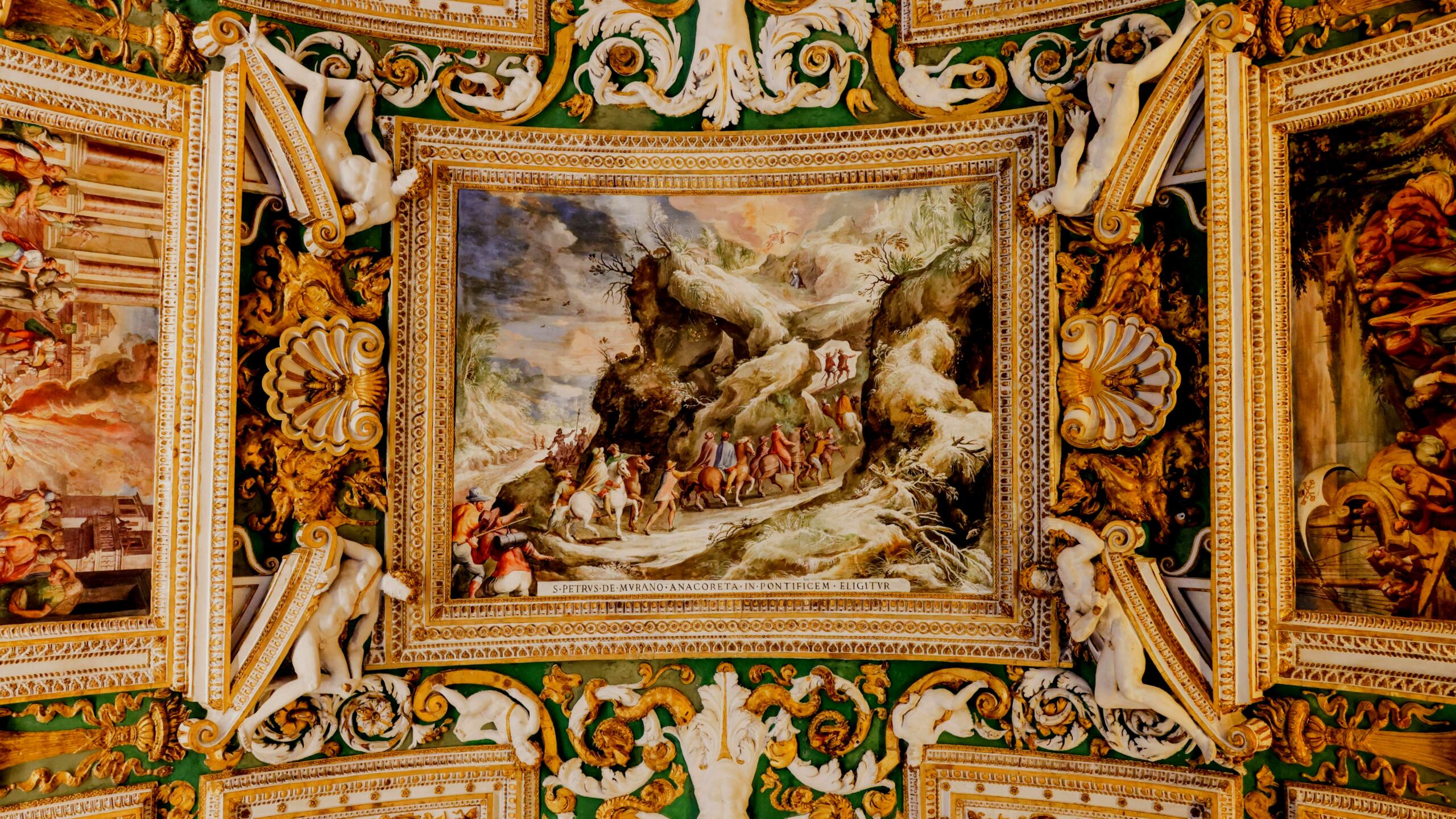
Scholarships like MAECI and DSU Regional can reduce costs. Graduates pursue careers as professional artists, curators, or art directors. Studying art in Italy involves enrolling in fine arts or illustration degree programs at Italian universities, combining studio practice with art history and theory for professional careers. Italy has been home to celebrated artists like Michelangelo, Leonardo da Vinci, Botticelli, and Raphael, offering students a direct connection to a profound artistic heritage.
What Does Studying Art in Italy Actually Mean?
Studying art in Italy means pursuing an undergraduate or graduate degree program primarily focused on visual arts practice. These programs are available for the upcoming academic year 2026. Degree titles typically include Bachelor or Master of Fine Arts (BFA/MFA) and Illustration.
Coursework is predominantly studio-based, requiring hands-on creation of artwork. Modules integrate foundational theory with practical skills, covering topics like art history, color theory, compositional methods, and professional portfolio development. This curriculum ensures graduates possess both the technical proficiency and conceptual depth needed for a professional arts career.
How the Admissions Process Works for International Students
International students must follow a structured application process to secure admission to Italian art programs. Many short-term art courses in Florence, Milan, and Venice are taught in English, providing accessible entry points. For degree programs, specific requirements must be met.
- Meet Language Requirements. Admission requires proof of language proficiency. For English-taught programs, acceptable scores are IELTS 6.0-6.5 or TOEFL 80-90. For programs taught in Italian, a B2 level certification is typically required.
- Prepare Your Portfolio. A portfolio showcasing your artistic work is mandatory for undergraduate art program applications. This is the most critical component for demonstrating your skill and creative vision.
- Submit Your Application. Compile your academic transcripts, language test results, portfolio, and any other required documents directly to the chosen university or through a centralized portal.
Follow these steps to build a strong application that meets Italian university standards.
Why Study Art in Italy? Understanding the Real-World Relevance
Studying art in Italy provides a direct pathway to tangible careers in the global arts sector. Graduates pursue careers in editorial illustration, gallery curation, art direction, publishing, and visual communication. These roles leverage the rigorous training received in Italian programs. Career opportunities extend to becoming a professional artist, curator, art historian, graphic designer, and more.
The country’s immense cultural heritage acts as a living classroom. You gain exposure to centuries of artistic innovation, which deeply informs contemporary practice. This immersive environment enhances your education’s relevance and prepares you for a professional network embedded in one of the world’s central art hubs.
Leading Universities for Fine Arts in Italy
Selecting a university is a crucial step. Italy offers a range of prestigious institutions with strong arts faculties, each located in culturally rich cities. The following list details key universities, their global rankings, and notable characteristics.
Sapienza University of Rome
Established in 1303, Sapienza University of Rome ranks 40th in the QS World University Rankings. Its location in Rome provides unparalleled access to classical and Renaissance art.
University of Bologna
The University of Bologna is the oldest Western university. It ranks 42nd in QS and offers accessible tuition fees ranging from €1,000 to €3,000 per year.
Politecnico di Milano
Politecnico di Milano ranks 50th in QS. Located in Milan, a global design capital, it charges tuition between approximately €150 and €3,900 annually.
University of Florence
The University of Florence is located in Tuscany, the heart of Renaissance art. It holds a QS ranking of 222nd.
Ca’ Foscari University of Venice
Ca’ Foscari University of Venice ranks 123rd in QS. Its unique setting in Venice offers inspiration from a city renowned for its artistic tradition. University of Padova
Founded in 1222, the University of Padova ranks 133rd in the QS World University Rankings. University of Milan
The University of Milan ranks 165th in QS and is situated in Italy’s major economic and cultural center. University of Pisa
The University of Pisa holds a QS ranking of 180th. Università Cattolica del Sacro Cuore
Università Cattolica del Sacro Cuore ranks 184th in QS and has campuses in both Rome and Milan. Politecnico di Torino
Politecnico di Torino ranks 194th in QS and is located in Turin, a city with a strong industrial and design focus.
Scuola Normale Superiore
Scuola Normale Superiore shares a QS ranking of 194th and is based in Pisa, offering a highly selective and prestigious academic environment. Review each university’s specific fine arts program offerings to find the best match for your artistic goals.
Understanding Tuition Fees and Scholarship Opportunities
Tuition costs in Italy vary significantly between public universities and private institutions. Public universities charge Bachelor’s tuition between €900 and €3,000 per year. Master’s tuition at public universities ranges from €1,000 to €4,000 per year. Private institutions charge higher fees: €6,000 to €15,000 per year for Bachelor’s programs and €8,000 to €18,000 per year for Master’s programs.
Beyond degrees, alternative program types have different cost structures. Diploma programs cost €3,000 to €12,000 for durations of 6 months to 1 year. Short-term art workshops cost €800 to €5,000 for sessions lasting 2 to 12 weeks.
PhD programs in public universities cost €1,200 to €4,000 per year. International students should also budget €700 to €1,200 per month for living costs, including accommodation, food, and transportation. Numerous scholarships are available to offset these expenses for international students. Italian Government Scholarships (MAECI)
This scholarship offers a full or partial tuition waiver plus a €900 monthly stipend. DSU Regional Scholarships
The DSU Regional Scholarships provide a tuition reduction or waiver, free meals, and accommodation grants. University-specific scholarships
Many universities offer their own scholarships, providing tuition fee discounts ranging from 25% to 100%. Erasmus+
The Erasmus+ program covers tuition, travel, and living costs for eligible students participating in mobility programs. Invest Your Talent in Italy
This initiative provides a tuition reduction, an internship opportunity, and a monthly stipend. Private art school scholarships
Private art schools often offer partial to full tuition waivers based on merit or portfolio strength.
Begin your financial planning by researching the specific scholarships applicable to your chosen university and program.
Common Misconceptions About Studying Art in Italy
A common misconception is that studying art in Italy is prohibitively expensive. Public universities charge Bachelor’s tuition between €900 and €3,000 per year, which is comparatively affordable for high-quality international education. While living costs are a factor, international students should budget €700 to €1,200 per month, which is manageable with careful planning and available scholarships.
Another myth is that fluency in Italian is mandatory. Many short-term art courses in Florence, Milan, and Venice are taught in English. For degree programs, a significant number are also offered in English, requiring IELTS or TOEFL scores, not Italian proficiency.
Only programs specifically taught in Italian require a B2 language level. You can find a program that aligns with your current language skills.
Conclusion
Your path to studying art in Italy is defined by clear steps: identifying suitable programs, meeting admission requirements, selecting a university, and securing financing. The combination of affordable public tuition, extensive scholarship options, and a curriculum tied to Italy’s artistic legacy makes this an attainable and valuable educational investment. Use this guide to make informed decisions and advance your artistic career from within one of the world’s most inspiring settings.
FAQ
Q: What are the admission requirements to study art in Italy?
A: Admission requires a portfolio, proof of language proficiency (IELTS 6.0-6.5 or TOEFL 80-90 for English programs, B2 Italian for Italian programs), and a high school diploma.
Q: How much does it cost to study art at a public university in Italy?
A: Bachelor’s tuition at public universities ranges from €900 to €3,000 per year, and Master’s tuition from €1,000 to €4,000 per year. Living costs are about €700–€1,200 per month. Q: Are there scholarships for international students studying art in Italy?
A: Yes, scholarships include Italian Government Scholarships (MAECI) with tuition waivers and a €900 monthly stipend, DSU Regional Scholarships, and university-specific discounts of 25–100%. Q: What career opportunities are available after studying art in Italy?
A: Graduates can become professional artists, curators, art historians, graphic designers, art directors, or work in editorial illustration, gallery curation, publishing, and visual communication.