When homeowners start planning for their later years, many rush to install accessibility features without considering the long-term consequences. Some well-intentioned updates end up as expensive, inconvenient, or even unsafe additions. The key is knowing which aging in place regrets professionals see most often — and how to avoid turning your home into a regretful investment.

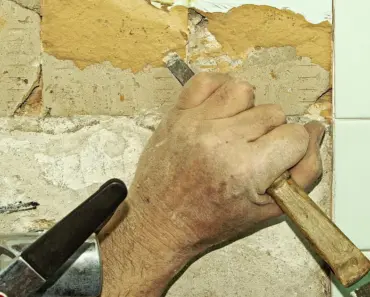
1. Full Room Remodels That Gut the Space
Panic sets in. You assume the bathroom or kitchen must be demolished to become usable. But certified aging-in-place specialist Ryan Holt explains that full gut renovations are almost never required. Most bathrooms only need small modifications, like grab bars near the toilet or a comfort-height commode. Kitchen cabinets can be refitted with pull-out shelves rather than entirely replaced. Even a curbless shower can be installed without ripping out every tile.
The waste of money and resources here is staggering. A full bathroom remodel in the United States averages around $11,000 to $25,000. Minimal modifications, by contrast, often cost under $3,000. That difference could fund other real needs, like widened doorways or non-slip flooring. Many homeowners later admit this is one of their biggest aging in place regrets — they spent far too much on demolition when a simpler solution existed.
Before you schedule a gut job, ask a contractor who holds a CAPS certification (Certified Aging-in-Place Specialist) to evaluate your space. They can identify which elements truly need replacement and which just need adjustment. Often, a new vanity with knee clearance or a handheld showerhead does more good than a total tear-out.
2. Sterile, Hospital-Like Design Choices
It is easy to fall into the trap of installing bulky grab bars, glossy medical-grade vinyl flooring, and harsh overhead lighting. These choices scream “institution” rather than “home.” Principal interior designer Rachel Blindauer warns that stripping a home of its warmth and character creates an environment that feels depressing rather than supportive.
Blindauer advocates for what she calls “invisible ease.” Instead of oversized chrome grab bars, you can choose towel bars or decorative rails that double as support. Natural stone tiles for a curbless shower, timeless millwork around widened doorways, and under-counter appliances that look like luxury upgrades but serve universal needs. The goal is to support your future self without compromising your present joy.
One survey from the American Institute of Architects found that 78% of homeowners aged 55 and older prefer aging-in-place features that blend with their décor. Ignoring that preference leads to dissatisfaction. If you hate looking at your home’s accessibility features, you may avoid using them or even move out earlier than planned. That irony — spending money on a home you then want to leave — is a classic aging in place regret.
3. Installing an Elevator When a Stair Lift Would Do
Multi-level homes often trigger thoughts of installing a residential elevator. But unless you are already a full-time wheelchair user who cannot transfer independently, an elevator is overkill. The average residential elevator costs between $35,000 and $50,000, plus structural modifications that can run another $10,000. Stair lifts, on the other hand, typically cost $2,000 to $5,000 and install in a single day.
Holt notes that stair lifts also require significantly less maintenance and can be removed when no longer needed. Elevators demand regular inspections, mechanical servicing, and substantial electricity. Many homeowners who insisted on elevators later regretted the cost and complexity, especially if they never became wheelchair-bound. The chance of using an elevator daily in a typical home is low — perhaps 2% of aging homeowners actually need one.
Consider a stair lift as a first step. If your condition changes, you can upgrade later. And if you never need the lift, resale value on a house with a stair lift is often better than one with an awkward elevator shaft that eats up floor space.
4. A Walk-In Tub Without an Upgrade to the Water Heater
Walk-in tubs sound wonderful — a low-threshold entry, built-in seat, and therapeutic jets. But there is a hidden pitfall that Holt sees constantly. These tubs hold much more water than standard tubs — often 40 to 60 gallons compared to the typical 30 gallons. A standard 40-gallon water heater can start running cold halfway through filling a walk-in tub.
Imagine sitting in a partially filled tub with lukewarm water, waiting for the heater to recover. That scenario frustrates many seniors right at the moment they sought relaxation. The fix seems obvious: upsize your water heater to 60 or 80 gallons, or install a tankless water heater. Tankless units provide on-demand hot water indefinitely, last about 20 years (versus 10 for traditional tanks), and are 24% to 34% more energy efficient according to Energy Star data.
You may also enjoy reading: 35 Amazon Memorial Day Deals That Are Major Sellout Risks.
Yet many homeowners skip this step because they underestimate the water volume difference. The result is one of the most avoidable aging in place regrets — a feature that turns into a chore. Always confirm your water heater’s capacity with your plumber before buying a walk-in tub. If you must install one, plan for a simultaneous water heater upgrade to avoid disappointment.
5. Ignoring Smooth Flooring Transitions
Replacing carpet with hardwood or tile is a common aging-in-place update. But what happens at doorways where the new floor meets an adjacent room? Many contractors leave a transition strip that creates a small ridge — sometimes just a quarter-inch — that can trip anyone, especially someone using a walker or cane. Holt emphasizes that even minor height changes increase fall risk dramatically.
According to the Centers for Disease Control and Prevention, one in four older adults falls each year, and falls are the leading cause of fatal injury among those 65 and older. Rough transitions between flooring surfaces contribute to many of these incidents. Yet renovators often overlook them because they focus on the main room.
The solution is to ensure that all flooring throughout the home is at the same finished height, or that transitions are absolutely flush. If you are removing carpet from one room and installing hard flooring, match the thickness exactly to the adjacent flooring. Use a low-profile transition strip that is flush with both surfaces. Better yet, choose one continuous flooring material throughout the main level to eliminate transitions entirely.
This attention to detail can prevent a hospital visit and keep you safely in your home. It is a small adjustment compared to the cost of a broken hip or a long recovery. Many homeowners who skip this step later list it as a top aging in place regret because it caused an actual fall.
When Renovating Isn’t Worth It
Sometimes the most practical decision is to not renovate at all. Holt points out that forcing expensive modifications on a home that is fundamentally unsuitable — such as a three-story house with a basement and attic — may never be cost-effective. If the cost of modifications exceeds 30% of the home’s current market value, you are better off downsizing or relocating to a home designed with universal accessibility in mind.
In those cases, the regret isn’t about which feature you chose but about the entire project itself. Selling a home and moving into a single-level condo or a retirement community may save tens of thousands of dollars and months of stress. The goal is to age in place safely and happily — not to sink money into a house that still doesn’t meet your needs.
Professionals agree: take a step back, assess your actual mobility challenges, and prioritize modifications that offer the highest safety return per dollar. Avoid the five costly errors described above, and you will likely stay satisfied with your decisions for years to come.