Standing in St. James’s Square one afternoon, the author noticed a man whose back was turned — a gentleman in a meticulously tailored gray flannel suit, his shoes suggesting someone who thought carefully about what he put on that morning. The whole silhouette radiated correctness, the kind of quiet precision that signals a man who knows exactly what he is doing. Then the stranger turned around, and a single detail upended every expectation: a pale green knit tie, soft and unexpected, sitting at his throat like a whispered secret. In that moment, the tie did what clothes are supposed to do. It revealed the person inside.
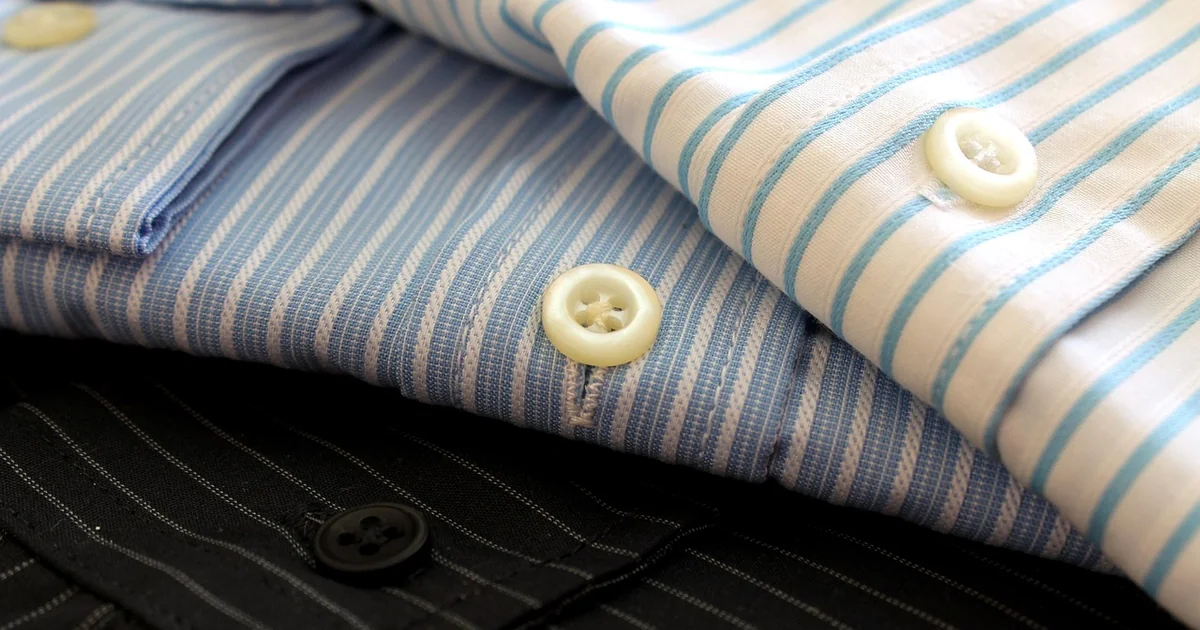
The pale green knit tie was not loud. It was not flamboyant in the way we typically imagine when we hear the phrase dressing eccentrically men. It was simply… specific. And that specificity is the whole game. David Coggins has spent years thinking about this — about how men can use clothing to express something true about themselves without tipping into costume. The goal is not to peacock. The goal is to signal, with a single well-chosen detail, that you are paying attention and that you have something worth noticing.
How can a small accessory make a big statement?
Not everything needs to scream for attention. In fact, Coggins would argue that the most effective eccentric gestures are the quietest ones. You can take a subdued approach — a subtle suit, a dark overcoat — and contrast that foundation with pastel-colored socks or a pale silk scarf. The effect is disarming precisely because it does not demand a reaction. It simply hints that there is more here than meets the eye.
Think about the man in St. James’s Square again. His suit was gray flannel, the most respectable and unremarkable choice in menswear. His shoes were elegant but not ostentatious. Everything said “I follow the rules” until the tie said “…mostly.” That single deviation turned a perfectly correct outfit into a portrait of a strong individual. The power of clothes, as Coggins puts it, is that they can depict exactly this — the person within, not just the surface.
A subdued outfit contrasted with a few bold accents can say something wonderful about you. It suggests you have a compelling secret or two. And who does not want to be the person in the room who seems to know something interesting that nobody else does? That is the magic of a restrained eccentricity. It invites curiosity without ever raising its voice.
What if you are not ready to wear something bold in public?
Of course, not every daring purchase feels ready for its debut the moment you bring it home. Coggins recalls buying a pair of white suede Alden bucks that, fresh out of the box, felt blindingly bright — almost accusatory in their newness. They sat in his closet for a while, waiting for him to catch up to their confidence. There is absolutely no shame in letting a piece age in your wardrobe until you feel prepared to wear it outside.
Let’s say something dynamic speaks to you from a shop window or a catalog page, but you cannot quite imagine yourself walking down the street in it yet. Let that item mature like a fine wine. Wear a velvet jacket around your apartment on quiet evenings. Try on those spectator shoes while you read the morning paper. The goal is to build familiarity slowly, so that by the time you step out the front door, the garment already feels like an extension of you rather than a borrowed costume.
That is exactly what happened with the Alden bucks. After a few wearings — after they accumulated a few scuffs, a little character, what Coggins calls “battle scars” — he did not want to take them off. They became so deeply embedded in his personal style that a pair ended up on the cover of his book Men and Style. The blinding brightness mellowed into something warm and worn-in. Your own experiment can follow the same arc.
Let daring items age in your wardrobe until you are comfortable. There is no deadline. The only person who needs to feel ready is you.
Why should you be cautious about buying a hat on vacation?
Don’t get me wrong — Coggins loves hats and wears them frequently. But he also sounds a clear warning: if you acquire a hat while you are on vacation, alarm bells should start ringing. The beret that felt so perfectly French on the streets of Paris or the cowboy hat enthusiastically purchased in Wyoming may not translate well when you return to your local zip code. Vacation brain is real, and vacation brain loves a dramatic silhouette.
A hat requires genuine commitment. It also needs to fit properly — not just your head circumference, but your entire frame and your daily environment. Coggins specifically cautions against those small-brimmed fedoras that make a man look like the retired singer of a boy band. Too small, too precious, too self-conscious. A proper hat should have presence. It should feel like it belongs on your head rather than perching there nervously.
Instead, what works is something old and well-loved. A tweed hunting cap with a bit of history. A beaten-up long-billed fisherman’s hat that has seen a few storms. Coggins used to buy a Panama hat on an island vacation every year, then soak it in water, remove the black band so the crown appeared taller — which he finds more flattering — and wear it until it literally fell apart. That is the spirit: not a souvenir, but a companion. A hat bought on vacation may not translate well locally, so choose something with age and fit already baked in.
What is the easiest way to assert your personal style?
The simplest entry point into dressing eccentrically men is the accessory. Coggins is emphatic about this. A cashmere scarf in any hue — orange gelato, welcoming violet, deep amber — can and should become your winter companion. Wear it every single day. Let people associate you with that slash of color across your coat. Before long, the scarf stops being something you put on and starts being something people would miss if you left it behind.
Accessories are low-risk, high-reward. A bright canvas band on a military watch costs about as much as a martini on eBay and transforms a utilitarian timepiece into a small, personal statement. A pocket square can be formal silk with tiny polka dots tucked into a worsted wool jacket, or it can be a ripped-up bandana hanging out of a chore coat. The range of expression is enormous, but the commitment is minimal. If you try something and it does not feel right, you simply take it off.
That said, the accessory you choose should reflect something specific about you. Do not grab a loud pocket square just because someone told you to. Let the choice come from a genuine corner of your personality — a color you have always loved, a fabric that reminds you of a place, a pattern that makes you smile when you see it. When the accessory reflects you, it will work. An accessory such as a cashmere scarf, a bright watch band, or a pocket square remains the simplest way to assert yourself without overthinking it.
You may also enjoy reading: Demi Moore, 63, Breaks 5 Strict Rules with Bold Dress.
How do you handle people’s comments when you first wear something daring?
The first time you walk into a room wearing something unexpected, people may comment. They may even ask a pointed question: “What’s with the white linen jacket?” This is not necessarily criticism. It is often just surprise — the human brain cataloguing a deviation from the expected pattern. Coggins has a perfect response ready for such moments. You can reply that you have been spending time in Tuscany deeply researching the work of Piero della Francesca. The specificity of the answer does all the work. It signals that your choice is intentional, rooted in experience, and not up for debate.
The second time you are seen in that white linen jacket, the novelty will have worn off. People have already processed the initial shock. They may still notice, but the impulse to comment will have dimmed. And the third time? By the third time, it is simply your thing. Now you have achieved what Coggins calls the most valuable sartorial achievement around: a uniform. The jacket is no longer a statement. It is just what you wear.
People may comment the first time, but by the third time the novelty wears off and the item becomes part of your identity. This is the rhythm of dressing eccentrically men — a short period of social friction followed by a long stretch of comfortable self-expression. The key is to ride out the initial discomfort without retreating. Stand behind your choice long enough, and the choice starts standing behind you.
What does eccentricity really require to work?
In the end, eccentricity only functions when it reflects the specificity of your personality. Coggins returns to this point again and again. It is good to have a sense of who you are. Without that foundation, a seersucker suit at a summer wedding or tartan trousers at a New Year’s Eve soirée reads as a cry for attention rather than an authentic gesture. But when a confident man sets a daring standard — when he wears those tartan trousers because he genuinely loves them — others admire his conviction. He shows what is possible and gives the rest of us the courage to chart our own way.
The great clothing icon Luciano Barbera once said he could be friends with anybody who wore a sport coat while playing tennis. Now, that may be a step too far for your own exercise regimen, but the principle of elegance threading through every activity is what matters. Coggins remembers his father carrying a canvas carpenter’s bag to the tennis court with his racquet inside — not because it was stylish, but because it was practical and, in its practicality, became stylish. That is the paradox at the heart of dressing eccentrically men. The gesture must arise from something genuine, or it falls flat.
Eccentricity works best when it reflects who you actually are and you have confidence in your convictions. It cannot be pasted on top of a hollow self. The man in the pale green knit tie did not wear that tie because a magazine told him to. He wore it because something in him responded to that specific shade of green, that particular texture of knit silk, and he trusted that response enough to act on it. That trust is the whole foundation. Build it slowly, protect it fiercely, and let your clothes do the honest work of revealing the person underneath.
Frequently Asked Questions
Is dressing eccentrically only about wearing bold colours and patterns?
Not at all. The most effective eccentric gestures are often the quietest ones. A pale green knit tie against a gray flannel suit, pastel socks peeking out from a dark overcoat, or a subtly textured pocket square can all make a more lasting impression than anything loud. The point is specificity and intention, not volume. A man who understands dressing eccentrically men knows that subtle details often speak more eloquently than bold declarations.
How can I start dressing more eccentrically without spending a lot of money?
Begin with accessories. A canvas watch band in an unexpected color costs very little and can transform the feel of your entire wrist. A pocket square cut from an old bandana adds personality to a chore coat without any investment at all. Even a pair of pastel socks or a thrifted silk scarf gives you a low-risk way to experiment. The financial barrier to entry is nearly zero — the real investment is the willingness to wear something that diverges from the norm.
What is the difference between dressing eccentrically and dressing poorly?
Dressing poorly usually comes from a lack of attention — clothes that do not fit, combinations that clash unintentionally, fabrics that have seen better days. Dressing eccentrically, by contrast, is highly intentional. Every choice is deliberate, grounded in personal taste, and executed with an understanding of proportion, color, and context. The man in the gray flannel suit with the pale green knit tie knew exactly what he was doing. That knowingness is what separates eccentricity from mere carelessness.