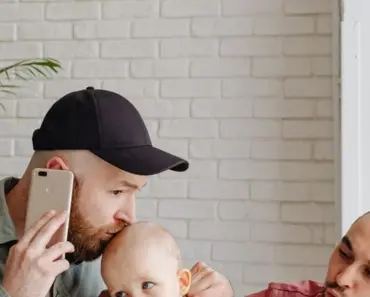
This time, their on-screen chemistry served a purpose far less lighthearted than a Dunphy family mishap. They teamed up to draw attention to a health topic that most parents never see coming: the meningitis b vaccine.
Modern Family ran from 2009 to 2020, cementing the pair as one of television’s most beloved couples. Now, years after the finale, they’re using that same quick-witted dynamic to talk about meningococcal disease in a way that feels refreshingly real. Their partnership with GSK on the Ask2BSure campaign gave them a platform to reach families with teenagers who are about to head into dorms, sports teams, and other close-contact environments where bacterial meningitis can spread fast.
What is the Ask2BSure campaign about?
Bowen and Burrell partnered with GSK on the Ask2BSure public health campaign, a straightforward effort with a single, pressing goal. The campaign encourages parents to learn about meningitis B, ask pointed questions during routine check-ups, and have a concrete conversation with their teen’s doctor about the meningitis b vaccine before milestones like college move-in day or the start of a new sports season.
Burrell put it plainly during their conversation: their kids are in situations where water bottles get shared and close quarters are unavoidable. Rather than waiting for a scare, the campaign nudges families to treat this shot as a normal, proactive step. It’s not about fear. It’s about filling a gap in the vaccination schedule that too many parents overlook.
Lesson 1: Make the Meningitis B Vaccine a Priority Before Your Teen Leaves the Nest
Most parents assume the shot their child got in middle school covers all meningitis strains. Bowen and Burrell learned that wasn’t always true. By the time teenagers are packing for a dorm room, a conversation about the meningitis b vaccine can get lost in the chaos of buying extra-long sheets and mini fridges. The Ask2BSure campaign frames that doctor’s visit as a non-negotiable item on the pre-college checklist, right next to setting up a bank account and learning how to do laundry.
Julie Bowen admitted she found herself playing catch-up when her oldest went off to school. She didn’t know whether her son was fully immunized against the B strain until she started digging. That moment of uncertainty is what the campaign wants to eliminate for other families. If you ask the question now, you won’t be scrambling later.
How did Bowen and Burrell balance humor with a serious health topic?
Bowen and Burrell filmed a seven-minute video called ‘Mening-Itinerary’ that brought back the rapid-fire banter their on-screen characters were known for. Watching it, you’d think they were about to break into a classic Phil-osophy monologue. Instead, they were reciting symptoms, risk factors, and the real names of meningococcal strains while trading witty asides about the word “meningococcal” itself.
They understood the tightrope. Burrell said they care deeply about this as parents of teens, but you need a little sugar to help the medicine go down. Bowen added that neither of them is a doctor. They’re just two people who know how to be silly, and the script handled the balance well enough that the humor never undercut the urgency.
Lesson 2: Use a Light Touch to Open Heavy Conversations
Parents who dread lecturing a teenager about health risks can borrow a page from this approach. You don’t have to sound clinical to get through. A well-timed joke or a self-deprecating comment can lower a teen’s defenses long enough for the serious part to sink in. Bowen and Burrell proved that talking about a vaccine doesn’t require a grim, sit-down meeting. It can happen in the car, over a shared eye-roll at a bad pun, and still lead to a real appointment.
What surprised them most about meningitis B?
Ty Burrell said the randomness of meningitis surprised him. The disease doesn’t follow a predictable playbook. One person at a party might get dangerously ill while everyone else walks away fine, and that capriciousness is part of what makes it so frightening. Epidemiologists point to a mix of host susceptibility, bacterial carriage rates, and close-contact exposure patterns, but for a parent, the takeaway is simpler: you can’t assume your child is safe just because an outbreak didn’t happen at the last event they attended.
Meanwhile, Julie Bowen was stunned that the topic rarely surfaces during routine pediatrician visits unless a parent brings it up first. With kids in sports, she was used to hearing about mononucleosis, strep throat, and other illnesses that spread through shared water bottles. Meningitis B, by contrast, stayed invisible.
Lesson 3: Don’t Let Silence Fool You—Meningitis B Deserves Its Own Conversation
Julie Bowen said many kids are vaccinated against meningitis strains A, C, W and Y, but meningitis B vaccination isn’t always part of the routine conversation. That discrepancy means a teenager could walk into a crowded locker room protected against four strains but still vulnerable to the fifth. Parents who want to close that gap need to initiate the talk themselves. No one else will do it for them. Write down the question on your phone before the next check-up so you don’t forget.
What did they learn from meeting survivors?
Bowen and Burrell met survivors and families affected by meningitis. Those conversations left a mark. Burrell described the survivors they spoke with as remarkably passionate about spreading awareness. They called themselves “the lucky ones,” a label that sounds almost contradictory until you hear their stories. Many had lost limbs, suffered hearing damage, or endured months of rehabilitation, yet they poured energy into making sure other parents didn’t face the same nightmare.
Bowen observed that after hearing what these families went through, the abstract statistic becomes a real person. That shift, from vague risk to vivid memory, is what changes a parent’s behavior. It’s one thing to read a pamphlet. It’s another to sit across from someone whose life was permanently altered by an illness you didn’t know your child could catch.
You may also enjoy reading: Anna M. Martin Makes Rare Admission Mom Burnout From Ex Loss.
Lesson 4: Let Survivors’ Stories Anchor Your Health Decisions
When you’re on the fence about a vaccine, factual data competes with a hundred other worries. Listening to a survivor describe the morning they woke up with a stiff neck and a fever, and how their parents didn’t know what was happening, cuts through the noise. The Ask2BSure campaign didn’t rely on scare tactics. It relied on testimony. Parents can do the same within their own circles—ask a nurse, talk to a family that’s been through it, and let those honest accounts settle the debate in your mind.
What are their personal skincare routines?
Julie Bowen mentioned she uses retinol and serums in her skincare routine, naming a few high-end products like Sisley when pressed for specifics. During the same conversation, she rattled off her devotion to sunscreen without a second thought, treating it as the foundation everything else depends on. Ty Burrell, in his characteristic low-key style, keeps things simple: water, more water, and a general hands-off approach to complicated regimens.
It might seem like a random detour in a discussion about infectious disease, but the pivot reveals something important. Even when two people are absorbed in a serious health campaign, they still carve out small rituals that keep them grounded.
Lesson 5: Carve Out Self-Care So You Can Show Up for Your Family
Parents running on empty don’t make great health advocates. A five-minute sunscreen application or a quiet moment with a serum bottle won’t solve a global health gap, but it restores a sliver of normalcy that makes the harder conversations feel possible. Bowen’s and Burrell’s habits, as different as they are, point to the same idea: protecting your own well-being, in however small a way, leaves you better equipped to protect your kids.
Julie Bowen was surprised that people don’t talk about meningitis B more. That sentiment echoed through everything she and Burrell shared. They went into the campaign expecting to learn a few things, but they walked away wondering why clinics and parent groups weren’t buzzing about this strain the way they do about other adolescent vaccines.
She also made a point that’s easy to miss: sunscreen isn’t negotiable. Amid the heavier topics, she stressed that she never skips it, as if to remind other parents that safeguarding health is a layered job. Some protections are obvious, some are invisible, and all of them start with paying attention.
Frequently Asked Questions
Why is the meningitis b vaccine separate from the routine meningococcal shot?
The standard meningococcal conjugate vaccine given to preteens and teens covers serogroups A, C, W, and Y. The B strain, however, requires a different vaccine because its outer sugar coating doesn’t trigger immunity the same way. That’s why the meningitis b vaccine is a separate series. Many pediatricians offer it, but parents often need to request it directly during a wellness visit.
At what age should teenagers receive the meningitis b vaccine?
The Advisory Committee on Immunization Practices recommends that adolescents aged 16 through 18, especially those living in close quarters like college dormitories, receive the meningitis b vaccine based on shared clinical decision-making. Some younger teens in high-contact settings, such as sports teams with frequent travel and shared equipment, may also benefit. Talking to a doctor about timing can tailor the schedule to your teen’s specific risk profile.
How does the Ask2BSure campaign help parents start the conversation?
Ty Burrell said the survivors they met were passionate about spreading awareness, and the campaign channels that energy into accessible tools. The ‘Mening-Itinerary’ video serves as a lighthearted but factual introduction, and the broader platform provides discussion guides that parents can bring to a doctor’s appointment. Instead of walking in with a vague worry, families can point to concrete information and say, “Here’s why we want to talk about meningitis B.”