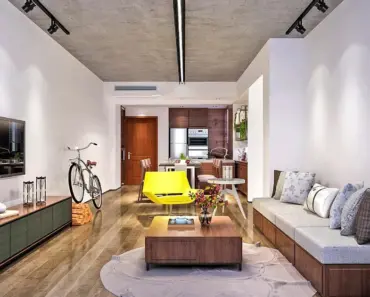
Micro-trends like the wavy look and oversized cloud sofas are losing their appeal, while matching furniture sets and beige-on-beige minimalism are also on the way out. Summer is the ideal time to think about redecorating your living room, especially since designers are expecting warm, welcoming, rich, and cozy designs to trend in 2026. By steering clear of these outdated living room trends now, you can plan a living room decor 2025 update that feels fresh and lasting. Knowing what not to buy for living room spaces helps you invest in pieces that will serve you for years to come.
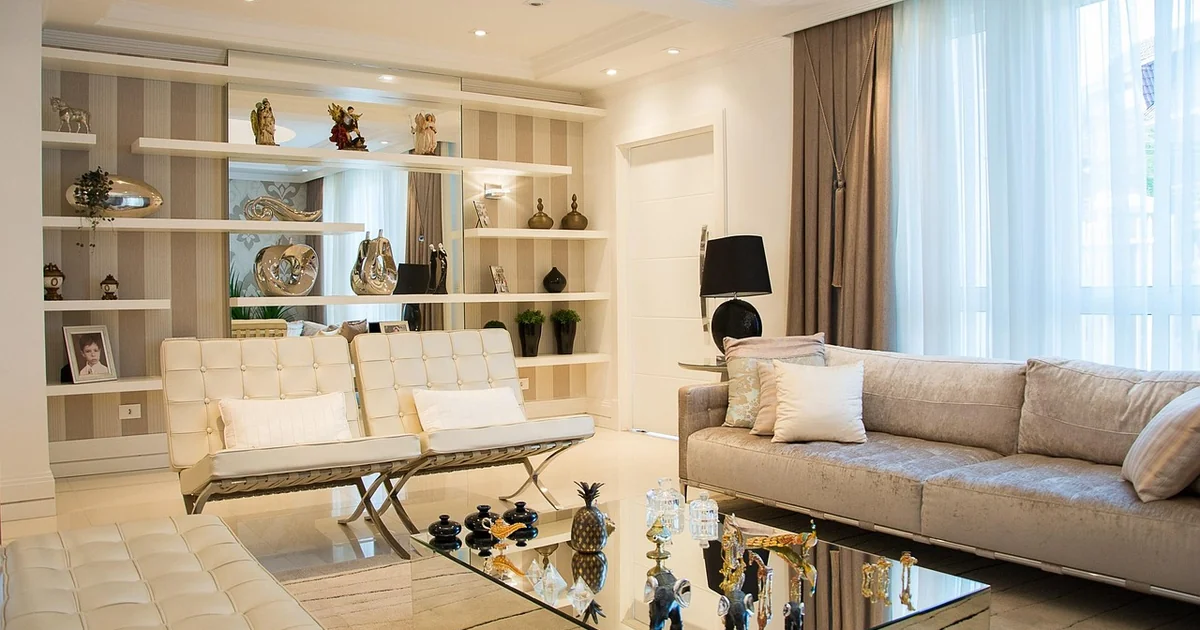
Oversized Cloud Sofas Are Bulky and Outdated
As you explore which fading living room trends to skip, the oversized cloud sofa tops the list. Those sprawling cloud sectionals that once dominated showrooms are now being called bulky and overpowering. Interior designer Alice Moszczynski notes that they feel bulky and unrefined, especially in smaller spaces where they dominate the room rather than invite conversation. Designer Kimberly Tosi adds that wavy furniture screams 2020s and recommends classic shapes with straight backs or gradual curves instead. If you’re looking for sectional alternatives, consider a tailored sofa or a mid-century modern sofa — both offer clean lines that work well in compact living room furniture arrangements. These timeless sofa styles create a balanced, welcoming foundation that won’t feel dated in a few years. By choosing a streamlined silhouette, you invest in a piece that suits your space long after the cloud trend passes.
Wavy and Scalloped Furniture Is a Micro-Trend Past Its Prime
Buying into micro-trends is an instant way to date a space, and the biggest culprit right now are those wavy and scalloped looks. Designer Kimberly Tosi says wavy furniture screams 2020s and recommends classic shapes with straight backs or gradual curves. If you invested in scalloped decor or organic modern pieces, you might be noticing signs of micro-trend fatigue already. These playful shapes feel fresh for a season but quickly lose their appeal, making your living room look stuck in a specific moment rather than timeless.
When to Keep Wavy Accents
You do not have to purge every curved piece. Small accent items like a scalloped mirror or a wavy vase can still add personality without overwhelming the room. The key is moderation. Keep these pieces few and far between so they read as intentional style choices rather than trend chasing.
What to Choose Instead
For lasting style, look for timeless furniture shapes with clean lines and gentle curves. Curved sofa alternatives with a simple silhouette offer the softness you might love without the dated feel. As fading living room trends go, wavy furniture is one you can let go of with confidence, replacing it with pieces that feel grounded and enduring.
Ultra-Minimalist Beige and White Themes Lack Personality
The quiet luxury look of all-beige and all-white is being left behind for richer, warmer palettes. While this aesthetic once felt serene and sophisticated, it now reads as flat and lifeless in many living rooms. Moszczynski notes that the overly beige, tone-on-tone quiet luxury look lacks contrast or personality, making spaces feel more like a showroom than a welcoming home. This is one of the most notable fading living room trends because it prioritizes visual calm over character. Instead of sticking with beige-on-beige, designers are expecting warm, welcoming, rich, and cozy living room designs to trend in 2026. That means it is time to explore warm color schemes for living room that add depth and energy.
If you are looking for a beige alternative, try earthy shades like caramel, rust, olive, or navy. These rich interior colors create a cozy color palette that feels both grounded and inviting. The key to avoiding a flat look is contrast in decorating. Pair a warm olive wall with a deep navy sofa, or layer rust throw pillows against a caramel-toned rug. Add personal touches like artwork, books, or textured fabrics to give the room a lived-in feel. This approach keeps your space stylish without sacrificing warmth or individuality, ensuring your living room feels like a comfortable retreat rather than a sterile backdrop.
Matching Furniture Sets Are Replaced by Eclectic Mixing
If your living room still features a perfectly matched sofa, loveseat, and armchair from the same collection, you might be holding onto one of the biggest fading living room trends. Matching sets can make a space feel staged and lacking in personality, as if it were designed for a show house rather than real life. As designer Kathy Kuo points out, living rooms shouldn’t act as show houses; enjoyment and functionality should be major factors. The move toward an eclectic living room is all about embracing character and comfort over uniformity.
Transitioning away from matching sets is simpler than you might think. Start by breaking up the set—keep your favorite anchor piece, like a comfortable sofa, and then mix and match furniture around it. Add a vintage armchair, a wooden coffee table with natural wear, or a side table in a contrasting material. The goal is curated decor that feels collected over time, not bought in one afternoon. To achieve a lived-in style, blend different textures such as linen, leather, and wool, and don’t be afraid to combine modern shapes with traditional details. This approach not only makes your room more inviting but also ensures your space reflects your unique taste rather than a catalog page.
Living Rooms Aren’t Show Houses—Prioritize Function and Enjoyment
Designers are warning that treating your living room like a display room is one of the key fading living room trends you should leave behind. As Kathy Kuo notes, your living room shouldn’t act as a show house; enjoyment and functionality should be major factors in every design choice. If you can’t put your feet up, let the kids play, or set down a coffee mug without worrying, the space isn’t serving you. A functional living room starts with a layout that supports how you actually live. Choose furniture with durable, family-friendly fabrics, and incorporate stylish storage solutions like baskets, built-in shelves, or ottomans with hidden compartments. These keep clutter out of sight while adding character to the room.
To create livable decor, avoid buying pieces just because they look trendy. Buying into micro-trends is an instant way to date a space, while comfort first design ensures your room remains welcoming year after year. Instead, invest in quality seating that invites relaxation and arrange it to encourage conversation. An everyday living room should feel like a retreat, not a museum. Prioritize soft lighting, cozy textures, and surfaces that can handle real life. When functionality leads, your living room becomes a place everyone actually wants to spend time in—and that is the most stylish choice of all.
Incorporating Warmth Without Overcrowding—and Without Chasing a Trend
Designers are expecting warm, welcoming, rich, and cozy living room designs to trend in 2026. But before you rush to fill every corner with blankets and knick-knacks, take a breath. The goal is not to swap one fading living room trends for another short-lived look. Instead, focus on timeless warmth that feels personal and lasting. Alice Moszczynski, a New York-based interior designer at design software platform Planner 5D, notes that the key is layering textures and natural materials without overcrowding. Think soft wool throws, linen curtains, and a wooden coffee table. These elements add depth and comfort without making the room feel busy.
How to Add Warmth Without Clutter: Start with layered textures. A chunky knit throw on a neutral sofa, a jute rug underfoot, and velvet pillows instantly create a cozy feel. Natural materials like rattan, stone, and unvarnished wood bring an organic, grounded quality. Then, add personal items—a stack of your favorite books, a ceramic vase from a local market, or a piece of art that makes you smile. These are not trends; they are your story. For budget-friendly warmth boosters, swap out throw pillows for richer tones, hang floor-to-ceiling curtains in a warm beige or deep green, and bring in a few low-maintenance plants. Small changes like these make your living room feel inviting without chasing a fleeting style. When you prioritize comfort and authenticity, your space becomes a sanctuary that never goes out of fashion.
Frequently Asked Questions
How should I mix furniture pieces if I want to break up matching sets?
Start by swapping out one or two larger pieces, like a sofa or coffee table, for something in a complementary but different style or material. Then layer in accent chairs or side tables with varying textures—such as wood, metal, or upholstered finishes—to create visual interest. This approach keeps your room cohesive without falling into the trap of fading living room trends that rely on identical sets.
Which sofa shapes are considered timeless alternatives to cloud sectionals?
Look for sofas with clean lines, tailored cushions, and a firm yet comfortable seat. Classic options include mid-century modern frames, English rolled-arm sofas, and simple sleeper designs. These shapes stay stylish longer than oversized cloud sectionals, helping you avoid the need to update your furniture every time fading living room trends shift.
Is there a risk that ‘warm and cozy’ becomes another short-lived trend?
The desire for warmth and coziness is timeless, but the specific way you achieve it can date a room. Focus on natural materials like wood, wool, and linen, and choose neutral tones with subtle texture rather than overly styled, trendy accents. This way, you keep the inviting feel without chasing fading living room trends that will need updating in a few years.