You step outside on a cool, humid morning and notice your lush green lawn looks like it has been dusted with flour. It is not snow, and it is not ash from a nearby fire. That fine, white coating on your grass blades can be alarming, but it is a common issue with straightforward solutions.
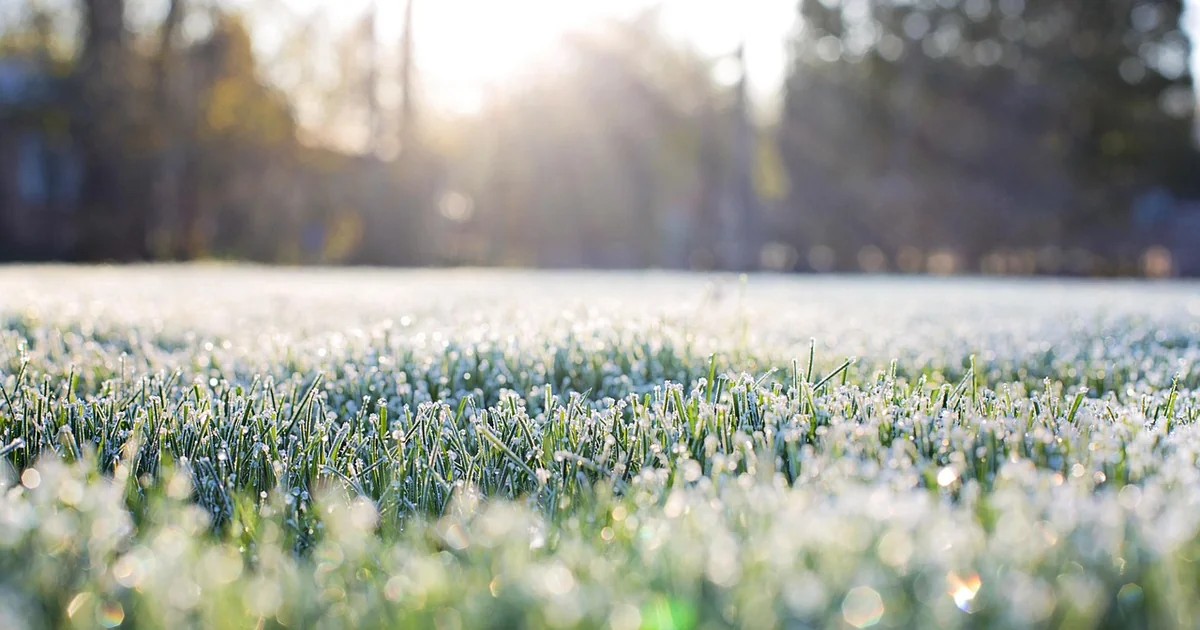
That white powder is most likely powdery mildew, a relatively common fungus in turf grass lawns. It is easy to identify once you know what to look for. Up close, powdery mildew looks like small bubbles or boils of fine white dust sitting on the leaves. The dust itself is actually the spores of the fungus, which is how it spreads to other parts of your lawn.
Amazon US Verified
Self-Watering Planters with Drainage Aerators
Elevated reservoir design that prevents soggy roots and ensures steady hydration.
Unlike some soil-borne fungi that attack the roots, powdery mildew stays on the surface of the leaf blades. This makes it more of a cosmetic nuisance than a deep-rooted disease. If you are searching for whitepowder on grass solutions, identifying it correctly is the first step toward fixing the problem.
Is powdery mildew harmful to my lawn?
Here is the good news: powdery mildew does not usually cause major harm to the grass. The harm from powdery mildew is primarily aesthetic. Your lawn will not die from this fungus alone, and you do not technically need to take emergency action.
However, do not simply ignore it. The appearance of powdery mildew may be a signal that something is wrong with the growing conditions. The fungus itself is not the real threat — the conditions that allowed it to take hold are. Weak grass that is already stressed by poor airflow, too much shade, or imbalanced nutrients becomes vulnerable to other pests and diseases down the road.
What conditions cause powdery mildew to thrive?
Powdery mildew thrives in cool, humid weather. It is commonly found in areas with poor air circulation, overly shady conditions, and excess nitrogen. If your lawn has all three of these factors working against it, you are practically inviting the fungus to settle in.
Imagine a yard that is surrounded by tall fences and overgrown shrubs. The air barely moves, and the grass stays damp long after the morning dew has burned off elsewhere. Now add a thick layer of shade from a large oak tree, plus a heavy dose of nitrogen-rich fertilizer applied too enthusiastically last month. That combination is a perfect breeding ground for whitepowder on grass.
Should I use fungicides to treat powdery mildew?
Fungicides are not usually necessary for powdery mildew except for extreme infections. If the white coating is so thick that it covers most of the leaf surface and the grass looks sickly, you might consider a chemical treatment. Demethylation Inhibitors, also known as DMI fungicides, are generally considered among the most effective against powdery mildew.
However, there is a catch. Some mildew patches may be resistant to DMI fungicides, so results are not guaranteed. If you choose this route, follow the instructions on your fungicide carefully. Overuse can harm beneficial soil organisms and create resistant fungal strains. For most homeowners, skipping the chemicals and fixing the environment is a smarter, safer approach.
Home remedies for powdery mildew
If you are trying to keep your lawn care organic, you can try home remedies such as using vinegar to kill powdery mildew. The idea is that the acetic acid disrupts the fungal spores on contact. Not everyone agrees on how effective vinegar is for lawn applications, because it can also burn the grass if the concentration is too high. A light spray of diluted vinegar on a small test patch is the safest way to see if it works for your specific situation.
How can I prevent powdery mildew without chemicals?
Changing the conditions around your grass is typically a better treatment than any spray. It reduces the risk of future infections and keeps the grass safer from all sorts of diseases, fungi, and pests. Here are the five most effective solutions for stopping whitepowder on grass from returning.
Solution 1: Adjust your nitrogen levels
Start by checking the nitrogen content of the fertilizer you use. The general recommendation for lawn fertilizer ratios is 3:0:2 or 4:0:2, with the first number being the nitrogen content. If your fertilizer has a higher amount of nitrogen, or if you have not been paying attention to the instructions, you could be overfertilizing your lawn without realizing it. Excess nitrogen produces soft, lush growth that fungi love. Switch to a slow-release, low-nitrogen formula and apply it only at the recommended rate.
Solution 2: Improve air circulation
Aerating your lawn can improve the air circulation through its roots and stems. Core aeration pulls small plugs of soil from the ground, creating channels that allow oxygen to reach the root zone. This dries out the grass canopy faster after rain or morning dew. For small lawns, a manual aerator works fine. For larger areas, consider renting a power aerator once a year in the spring or fall.
Amazon US Verified
Organic Perlite Horticultural Soil Conditioner
Lightweight volcanic mineral that improves root aeration and prevents compaction.
Solution 3: Reduce shade
Sun-loving grass will struggle to thrive in a heavily shaded area. Consider pruning any trees, shrubs, or other overhanging plants to let more sunlight reach the lawn. Even moderate thinning of lower branches can make a big difference in how quickly the grass dries after a rain. If pruning is not an option, reseed the area with a type of shade-resistant grass. Fine fescues, for example, tolerate lower light levels better than Kentucky bluegrass or perennial ryegrass.
Solution 4: Swap grass for ground cover
In deep shade where grass simply refuses to grow well, you could swap it entirely for a flowering ground cover that tolerates shade. Plants like creeping Jenny, ajuga, or vinca minor create a dense mat that does not develop powdery mildew the way grass does. This eliminates the problem at its source — no more whitepowder on grass because there is no grass in that spot.
You may also enjoy reading: Scorpio Monthly Horoscope for June.
Solution 5: Water wisely
Water your lawn deeply but infrequently, and do it early in the morning. This gives the grass blades time to dry out during the day. Evening watering leaves the lawn wet overnight, which is exactly when powdery mildew spores germinate. Adjust your sprinkler schedule so the grass is dry before dusk.
Amazon US Verified
Digital 3-in-1 Soil Moisture & pH Meter
Accurate probe to test deep root zone moisture and prevent accidental overwatering.
Could the white powder be something other than powdery mildew?
While powdery mildew is the most likely culprit, it is not the only possibility. Other lawn issues can mimic the appearance of a white powder. For instance, a light dusting of pollen from nearby trees or flowers can settle on grass and look similar. Construction dust, gravel dust, or even ash from a fireplace can blow onto your lawn and create a white film.
To be sure, take a closer look at the white patches on your lawn. Powdery mildew has a distinct texture — it looks like small bubbles or boils of fine white dust on the leaves. If you wipe a leaf with your finger, the white substance should come off easily, revealing a slightly yellowed or discolored spot underneath. Pollen and dust, by contrast, wipe off cleanly without leaving any mark on the leaf itself.
How to tell powdery mildew apart from other lawn issues
Several common lawn fungi can be confused with powdery mildew. Dollar spot creates small, bleached patches that look like silver dollars. Gray leaf spot leaves irregular tan lesions with dark borders. Neither one produces the fine, powdery coating that is the hallmark of powdery mildew.
If you see white, thread-like growth stretching across the grass blades, you might be looking at snow mold, which appears after snow melts in early spring. Snow mold has a cottony, web-like appearance rather than the dusty, bubbly look of powdery mildew. Correct identification ensures you use the right treatment approach.
Why an aesthetic problem might still deserve attention
It is tempting to shrug off powdery mildew as a purely cosmetic issue. After all, the grass is not dying. But here is why you should care: a lawn that consistently develops powdery mildew is a lawn under stress. That stress weakens the turf over time, making it more susceptible to drought damage, weed invasion, and other fungal diseases that can cause real harm.
Think of powdery mildew as a warning light on your car dashboard. The light itself is not the problem, but it tells you something needs attention. Addressing the underlying conditions — shade, poor airflow, excess nitrogen — improves the overall health of your lawn. You end up with thicker, greener grass that resists not just powdery mildew but a whole range of problems.
Frequently Asked Questions
Can powdery mildew from my grass spread to my garden plants?
Powdery mildew fungi are generally host-specific, meaning the strain that attacks your grass will not typically infect your tomato plants or roses. However, the same environmental conditions that encourage powdery mildew on your lawn can also encourage it on garden plants. Improving airflow and reducing shade will benefit your entire yard, not just the turf.
How long does it take for powdery mildew to disappear after I change the conditions?
Once you address the underlying causes — reducing shade, improving airflow, and adjusting fertilizer — you should see improvement within one to two weeks. The existing white powder will gradually fade as the grass grows and the spores are washed off by rain or irrigation. New leaf growth should emerge clean and green. If the mildew persists longer than three weeks, recheck your nitrogen levels and consider a fungicide for severe cases.
Is it safe to let my kids and pets play on grass with powdery mildew?
Yes, powdery mildew is not toxic to humans or pets. The spores are harmless to touch and do not cause skin irritation for most people. However, the fine dust can be a minor respiratory irritant if kicked up in large amounts, so it is a good idea to avoid running or playing in heavily affected areas until the mildew clears. Washing hands and feet after outdoor play is always a wise habit regardless of lawn conditions.
As an Amazon Associate, azuloz.com earns from qualifying purchases.