A few weeds near your AC unit can silently sabotage your cooling system. What starts as a handful of harmless sprouts can, within a single growing season, turn into a tangled mess that forces your air conditioner to work harder, run longer, and eventually break down. The problem is that most homeowners simply do not notice the problem until the damage is already done. Weeds grow fast, and the space around an outdoor condenser unit is often hidden from plain view behind shrubs or along a side yard. By the time you hear a strange noise or feel warm air blowing from your vents, those weeds around ac unit may have already wrapped themselves around critical components. The good news is that this is an easy problem to fix, and an even easier one to prevent. This article walks through exactly what to look for, how to remove what you find, and what to do so the weeds never come back.
Why should I remove weeds near my AC unit?
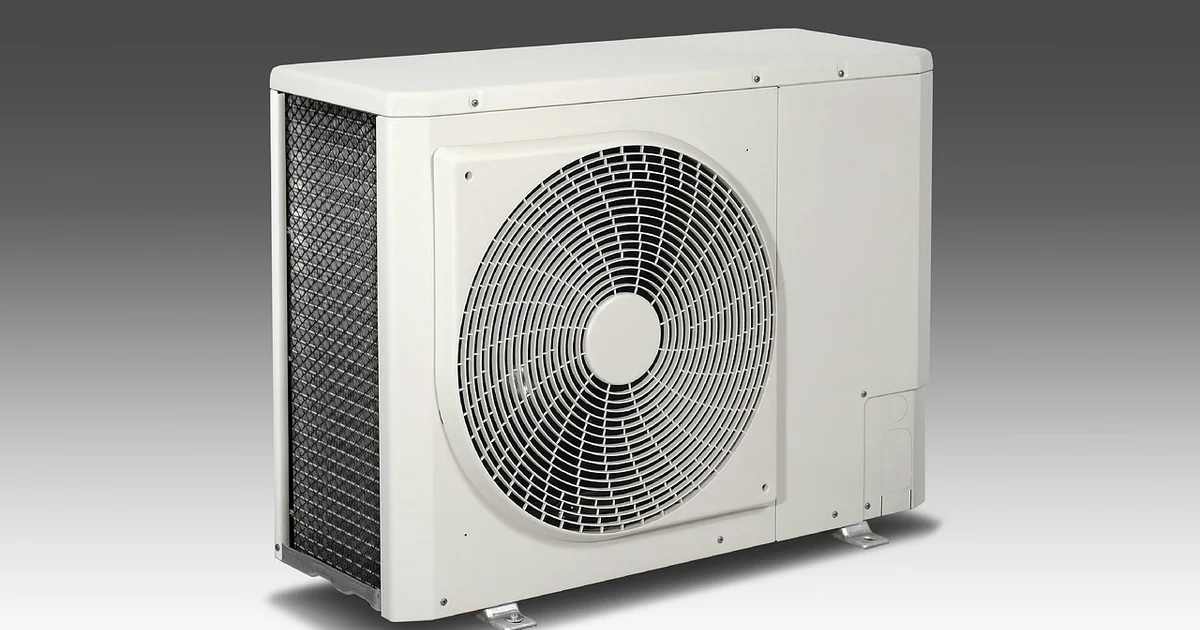
Weeds growing around an AC unit are not just an eyesore. They can block fans or coils, causing the unit to struggle. When airflow is reduced, the system has to run longer cycles to cool your home. That drives up your energy bill and puts extra wear on the compressor. Over time, debris from weeds can also get pulled into the condenser fins, bending them and reducing the unit’s ability to release heat. Once those fins are bent, restoring them requires a special tool called a fin comb. Even a small patch of tall grass or creeping vine can create enough restriction to make a noticeable difference in performance. That is why it is so important to remove any weeds within a couple of feet of the unit as soon as you spot them.
Beyond airflow, weeds can also trap moisture against the metal casing of the unit. Damp leaves and stems sitting against the condenser can accelerate rust and corrosion, especially on older models. The longer the weeds stay, the more moisture they hold. This creates a perfect environment for insects and small rodents to nest, which introduces another layer of problems. Keeping the area clear is one of the simplest things you can do to extend the life of your equipment.
Amazon US Verified
Digital 3-in-1 Soil Moisture & pH Meter
Accurate probe to test deep root zone moisture and prevent accidental overwatering.
What is the safest way to remove weeds without damaging the unit?
The safest removal method is also the most straightforward one. Pull them by hand. Hand pulling gives you full control over what you are touching and how much force you apply. You can feel the root system and work it loose without bumping the condenser or snapping off fins. For tougher plants with deep taproots, use hand shears and a trowel. Cut the plant down to a few inches first, then dig around the root with the trowel to loosen the soil before pulling. This approach avoids the risk of accidentally hitting the unit with a weed whacker or lawn mower.
Power tools like string trimmers and edgers can cause serious damage. A stray piece of nylon string can wrap around a fan blade or snap a wire. A metal blade can dent the condenser housing or puncture the refrigerant lines. Even if you are careful, the debris thrown by these tools can lodge itself into the fins. Stick with manual tools and your own hands. It takes a little longer, but it protects your investment.
What to do after you pull the weeds
Do not just toss the pulled weeds on the ground nearby. Dispose of them in a yard waste bag or compost bin away from the unit. If you leave them lying around, seeds can drop back into the soil and sprout again within days. Many common weeds produce hundreds of seeds per plant, so a single missed cleanup can undo all your work. Bag them up and remove them from the area entirely.
Amazon US Verified
Organic Perlite Horticultural Soil Conditioner
Lightweight volcanic mineral that improves root aeration and prevents compaction.
Can I use herbicides near my AC unit?
You can use herbicides, but you need to be careful about how and when you apply them. If your AC unit has a fresh air intake system, turn the system off before spraying. Fresh air intakes pull outside air directly into the home, and herbicide particles can be drawn inside where your family breathes them. Even if your unit does not have a fresh air intake, you still need to avoid spraying the unit itself. Some chemicals can corrode metal over time, especially the aluminum fins and copper coils that make up the condenser.
If you decide to use a chemical weed killer, apply it on a calm day with no wind. Use a low-pressure sprayer and aim only at the leaves of the weeds, not at the ground or the AC unit. A better option is to use a paintbrush to apply the herbicide directly to the leaves of stubborn weeds. This method gives you pinpoint accuracy and virtually eliminates the risk of overspray. Always read the label on your herbicide to check for any warnings about use near metal surfaces or ventilation systems.

Amazon US Verified
Self-Watering Planters with Drainage Aerators
Elevated reservoir design that prevents soggy roots and ensures steady hydration.
Pre-emergent herbicides: a long-term option
Pre-emergent herbicide can help prevent regrowth by creating a chemical barrier in the soil that stops seeds from germinating. This can be effective, but it may not be the best choice for every situation. If your AC unit has a fresh air intake, or if you maintain an organic garden nearby, the chemicals may not be appropriate. Additionally, pre-emergents need to be applied at the right time of year, usually early spring before soil temperatures reach the germination threshold. If you miss the window, the product will not work. Weigh the convenience against the potential downsides before committing to this approach.
How can I prevent weeds from growing back without chemicals?
Chemical-free prevention is not only possible, it is often more effective in the long run. The best method is to create a physical barrier that weeds cannot penetrate. Use a thick layer of rock or gravel around the base of the unit. The rocks block light and water from reaching the soil, which prevents seeds from sprouting. They are also too heavy to be sucked into the fans, unlike lighter materials. Spread the gravel at least two to three inches deep and extend it about two feet in every direction from the unit.
Another option is to install a condenser pad. Condenser pads provide a stable foundation, protect from moisture and pests, and are made of materials weeds cannot grow through. Concrete and rubber pads sit directly on the ground and elevate the unit by a few inches. This small separation gives you time to spot and remove any weeds that try to grow up from the edges before they reach the unit itself. A few inches of separation from the ground gives time to remove weeds before they grow too large to manage easily.
Why is organic mulch not recommended near the AC unit?
Many gardeners love organic mulch because it enriches the soil as it breaks down. But near an AC unit, that same quality becomes a problem. Wood chips, bark nuggets, straw, and shredded leaves can all be pulled into the fan intake. Once inside, they can jam the fan blade, clog the condenser coils, or create a fire hazard if they build up against electrical components. Additionally, organic mulch breaks down into compost over time, which creates a perfect seedbed for new weeds. You would end up with more weeds, not fewer.
Stick with inorganic materials like river rock, pea gravel, or crushed stone. These materials do not decompose, they do not hold moisture against the unit, and they do not blow around in the wind. If you already have organic mulch near your unit, rake it away and replace it with rock. Your AC will thank you with lower bills and fewer breakdowns.
You may also enjoy reading: 9 Humane Ways to Get Rid of Squirrels in Your Yard.
How to identify which weeds are most harmful to your AC unit
Not all weeds pose the same level of risk. The most dangerous ones are those that grow tall and thick, or those that climb. Tall weeds like ragweed, foxtail, and pigweed can grow several feet high in a single season. If they are within a couple of feet of the unit, their stalks can press directly against the condenser coils and block airflow. Climbing weeds like morning glory, bindweed, and ivy are even worse because they wrap around the unit’s housing and work their way into the fan grille.
Weeds with deep taproots, such as dandelions and thistles, are less of a direct threat to airflow but can damage the ground underneath the condenser pad. As their roots grow, they can shift the pad and cause the unit to sit unevenly. An unlevel AC unit can cause the compressor to wear unevenly and lead to premature failure. When you inspect the area, look for any weed that is already touching the unit or growing within six inches of it. Those are the ones to remove first.
What to do if you have a severe infestation of weeds
A severe infestation happens when weeds have been allowed to grow unchecked for months or even years. In this case, the area around the unit may be completely overgrown, with stalks and vines woven through the condenser grille. Do not try to yank everything out at once. Start by cutting the tallest weeds down to ground level using hand shears. Work slowly and carefully so you can see what you are doing. Once the visible growth is cleared, you can assess whether any vines or debris have gotten inside the unit.
If weeds have grown inside the fan cage or between the fins, you may need to remove the outer grille to access them. This is a job that requires a screwdriver and a gentle touch. If you are not comfortable disassembling part of your AC unit, call a professional HVAC technician. They can safely clear the debris and inspect the unit for damage at the same time. After the severe growth is removed, follow up with a thick layer of gravel or a condenser pad to prevent the problem from happening again.
How to combine weed removal with other AC maintenance tasks
Weed removal should be part of your seasonal AC maintenance routine. Plan to check the area around your unit at least twice a year: once in early spring before the cooling season starts, and once in late fall after the leaves have fallen. During these checks, combine weed removal with other simple tasks. Clean the condenser coils with a gentle spray from a garden hose. Check the fins for any bends and straighten them with a fin comb if needed. Inspect the refrigerant lines for signs of wear or damage.
Keeping the area clear also makes it easier to spot other problems. A clean, open space around the unit lets you see oil stains, pest nests, or loose wiring that you might miss if the area is overgrown. By making weed removal part of your broader maintenance checklist, you turn a small chore into a habit that protects your entire HVAC system. It takes about fifteen minutes twice a year and can save you hundreds of dollars in repair costs.
Frequently Asked Questions
What if I accidentally damage the AC unit while pulling weeds?
If you bump the condenser and notice bent fins, you can straighten them with a fin comb available at most hardware stores. If you hear a rattling sound or notice refrigerant leaking, turn the unit off immediately and call an HVAC professional. Minor cosmetic damage to the housing is usually not a concern, but any damage to the coils, fan, or refrigerant lines requires expert repair. Always work slowly and use hand tools to minimize risk.
How can I tell if weeds are blocking airflow without disassembling the unit?
Place your hand near the intake vents while the unit is running. If the airflow feels weak or uneven compared to normal, weeds or debris may be blocking the path. You can also listen for unusual sounds like whistling or rattling, which indicate air is being forced through a narrow gap. A visual inspection from above, using a step stool if needed, can reveal weeds pressing against the grille without requiring you to take anything apart.
When is the best time of year to check for and remove weeds around the AC unit?
Early spring, just before you turn the AC on for the first time, is the most important check. Weeds that sprouted late in the previous year may have survived the winter and will grow rapidly as temperatures rise. A second check in late fall, after the last mowing of the season, catches any late-growing weeds before they drop seeds. If you live in a warm climate with year-round growing seasons, check every two to three months.
As an Amazon Associate, azuloz.com earns from qualifying purchases.