As a professional organizer who started as a personal assistant, she knows exactly why clutter builds up. Growing up in a chaotic home with two working parents, she learned early on that she preferred being tidy and organised. Her home organization tips and decluttering advice have helped many, including celebrities like Sophie Ellis-Bextor and Lorraine Kelly.

In this article, you’ll discover each mistake and how to fix it with practical, actionable solutions. Whether you’re drowning in stuff or just need a fresh start, these insights from Carter‘s experience will guide you toward a more organised home. Let’s sort out your space together.
Common Cluttering Mistake #1: Leaving Unused Items on Kitchen Counters
Your kitchen counters are prime real estate, not a storage area for rarely-used gadgets. Carter says kitchens are real estate and everything must earn its place. When you leave a blender you haven’t touched in months or a bulky toaster that’s gathering dust, you’re wasting valuable workspace. This is one of the most common cluttering mistakes homeowners make. After all, a clean counter makes cooking easier and your kitchen feel more welcoming. To fix it, start by clearing everything off and only putting back what you truly use daily. That coffee maker can stay, but the juicer that only comes out at Christmas? Probably not.
How to determine what earns its place? Carter recommends going through the kitchen regularly to check what you need and use. Commit to a quick monthly scan of your counters. Ask yourself: “Have I used this in the last two weeks?” If the answer is no, move it to a cabinet or donate it. Another smart move for kitchen counter organization is investing in multi-use kitchen gadgets. Carter advises buying multi-use products like blenders instead of single-use gadgets like juicers. A good blender can handle smoothies, soups, and sauces, freeing up space that would otherwise be taken by separate appliances. By addressing this common cluttering mistake, you’ll declutter kitchen counters and reclaim your kitchen real estate for the tasks that matter most.
Common Cluttering Mistake #2: Using One Big Toy Box for Kids’ Toys
If you have children, you have almost certainly faced the aftermath of a single, massive toy box: a tangled mess of blocks, dolls, cars, and puzzle pieces all jumbled together. This is one of the most common cluttering mistakes in family homes. While a large toy box seems like a simple, budget-friendly solution for toy organization, it often creates more chaos than order. Kids dig through the pile, lose small pieces, and soon the entire box gets dumped out because they cannot find their favorite action figure. Carter suggests using a few different, smaller toy boxes that are categorised for children instead. This approach transforms kids toy storage from a frustrating free-for-all into a manageable system.
Why does one big toy box fail? When everything lives in one container, cleanup becomes a chore for both you and your child. They have no clear place to return items, and the sheer volume makes it hard to keep tidy. By switching to several small toy boxes, you introduce a simple method for categorizing toys. For example, you might have one box for building blocks, another for stuffed animals, and a third for art supplies. This makes cleanup faster because your child knows exactly where each category belongs. It also helps them find what they want without creating a disaster. Small toy boxes are easier for little hands to manage, and they prevent the overwhelming feeling that comes with a giant bin. With this practical fix, you turn a common cluttering mistake into a welcoming, low-maintenance play area that encourages independence and keeps your home looking neat.
Common Cluttering Mistake #3: Folding Clothes Without Visibility
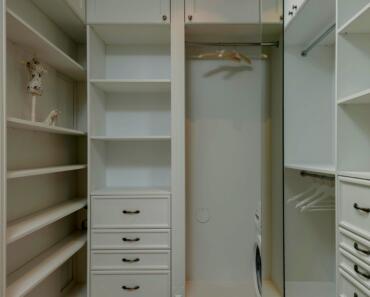
Traditional folding stacks might look tidy, but they hide colors and make it hard to find what you need. You end up rummaging through piles, pulling out shirts, and creating a mess. File folding T-shirts ensures you can at least see the colour of the shirt, so you can grab exactly what you want without disturbing the rest. This simple switch is a practical fix for one of the most common cluttering mistakes in your closet.
Passend dazu: 7 Over-the-Toilet Storage Units Tested by The Spruce vertieft dieses Thema mit konkreten Beispielen.
To use the file folding technique, start by laying a T-shirt flat on a surface. Fold one side in toward the center, then the other side, creating a long rectangle. Fold the sleeves in if needed. Next, fold the shirt in half or thirds from the bottom up, so it stands upright like a file. Place each rectangle vertically in your drawer, with the color facing up. This T-shirt organization method keeps everything visible and accessible, making closet decluttering feel effortless. The benefits of file folding for dresser drawers include less wrinkling, more space, and a calm, orderly look that saves you time each morning.
Common Cluttering Mistake #4: Scattering Paperwork Across the House
For paperwork, Carter thinks keeping it all together in one place makes it easier to deal with mentally. That insight hits home when you consider how scattered mail, bills, school forms, and receipts create mental clutter. When documents live on the kitchen counter, the nightstand, and the home office desk, you risk losing important papers and feeling overwhelmed. This is one of the most overlooked common cluttering mistakes because it sneaks up on you. The fix is simple: choose one designated spot for all incoming and active paperwork. Whether you opt for a binder, a drawer, or a digital folder, having a single home for paper reduces the stress of hunting for what you need. A dedicated home filing system gives you a clear place to put things and a clear place to find them, which instantly calms the chaos.
So what does “one place” look like in practice? For a physical system, try a filing cabinet with labeled folders for categories like utilities, insurance, and school papers. If you prefer a low-paper approach, digital document storage works beautifully: scan each document and save it in a clearly named folder on your computer or cloud service. The key is to process paper as it comes in—sort, act, file, or scan right away. To maintain your system, schedule a quick weekly tidy where you deal with stray papers and toss what you no longer need. This habit supports paperwork organization
Frequently Asked Questions
How do I determine which kitchen items have ‘earned their place’ on the counter?
Start by asking yourself if you use that item daily or almost daily. Anything used less often should be stored in a cabinet or drawer to free up counter space. This simple check helps you avoid one of the most common cluttering mistakes: keeping rarely used tools within easy reach.
What does ‘keeping all paperwork together in one place’ actually look like — a binder, a drawer, or a digital folder?
The right system depends on your household’s habits. A single binder with clear plastic sleeves works well for manuals and warranties, while a designated drawer with labeled file folders suits ongoing bills. For a low-maintenance approach, scan important documents and store them in a secure digital folder — just remember to back it up regularly.
Why is one big toy box a bad idea, and what sizes/categories work best?
A large toy box encourages dumping everything in without sorting, making it hard for children to find or put away toys. Instead, use several smaller containers grouped by category — like building blocks, dolls, or art supplies. This system is not only more practical but also helps kids learn to tidy up independently.