Imagine a sheriff pulling into your driveway—not to issue a warning, but to reveal a surprising connection that might keep you out of jail. In this case, the sheriff was actually a neighbor who attended the same church. He simply said, “I’m your neighbor, and I go to your church.” That moment of recognition turned an intimidating encounter into a warm reminder of how neighborly connections can change everything. Don Everts shares how these everyday community impact moments strengthen families and relationships, setting the stage for practical insights you can apply in your own life.
The Sheriff Story: A Neighbor Who Saved Someone from Jail
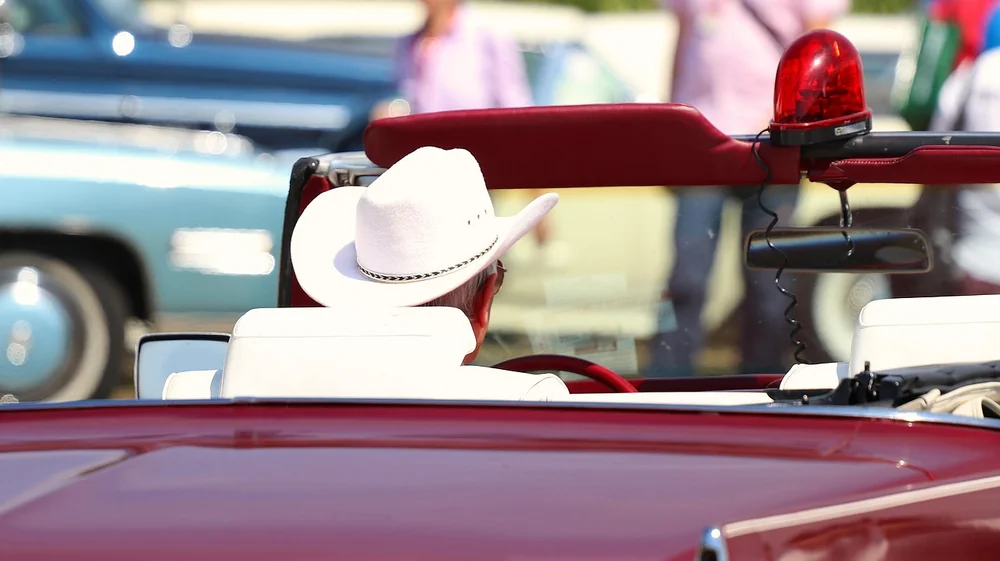
This story from Don Everts illustrates just how powerful a simple neighborly connection can be. In the transcript, he recounts how a sheriff pulled into someone’s driveway. Instead of a formal, intimidating encounter, the sheriff introduced himself by saying, “I’m your neighbor, and I go to your church.” This single sentence changed the entire dynamic of the situation.
How the Incident Unfolded
Understanding the context helps you see why this moment was so significant. The arrival of a sheriff at your home can feel alarming. It often signals trouble, paperwork, or a confrontation. However, because this sheriff was also a neighbor, the interaction took on a completely different tone. He wasn’t just an officer enforcing rules; he was a familiar face from the community. This shared connection—living nearby and attending the same church—created an immediate sense of trust. The crisis that might have led to a trip to jail was diffused before it could escalate.
Why a Neighbor Matters in Tough Times
This story is a powerful example of the power of community in crisis. The neighborly relationship prevented a negative outcome because the sheriff saw the person as more than just a case file. He saw a fellow member of the community. This neighbor intervention shows that when you know the people around you, you are more likely to look out for them. You offer grace, patience, and help instead of immediately resorting to strict procedures. The crisis community created by this simple bond turned a potentially stressful situation into a moment of connection. For Don Everts, author of The Hopeful Neighborhood: What Happens When Christians Pursue the Common Good, this story is a living example of how everyday relationships build stronger, safer, and more compassionate neighborhoods. It reminds you that the person next door might be the one who steps in when you need help the most.
Barna Research Insights: What Data Reveals About Communities
To understand the power of community in today’s world, Don Everts didn’t rely on hunches. He turned to data. Through his work with Lutheran Hour Ministries and the Hopeful Neighborhood Project, Everts has studied what actually makes neighborhoods thrive. The research from Barna, which he features in books like The Hopeful Neighborhood, reveals some eye-opening patterns about how people connect with those who live nearby.
Key Findings from Barna Studies
The Barna research points to a simple truth: many people want deeper connections but feel unsure how to start. The data shows that something as small as a wave from the driveway or a brief chat at the mailbox can be the first step toward real belonging. These small moments of interaction, repeated over time, build the kind of trust that turns a street into a genuine community. When you know your neighbors by name and feel comfortable asking for a cup of sugar or a hand with a heavy package, you are living out the power of community in practical, everyday ways. The research suggests that these seemingly minor exchanges are actually vital. They remind you that you are not alone, and they create a safety net that benefits everyone, especially families with young children or older adults who may need extra support.
Biblical Insights That Align with the Data
What makes the Barna findings so compelling is how closely they match what the Bible has long taught. Scripture is filled with commands to love your neighbor, to bear one another’s burdens, and to practice hospitality. The research does not replace these spiritual truths; it confirms them. The data shows that people are wired for connection, which aligns perfectly with the biblical idea that we are created for relationship. When you make the effort to build community in your own neighborhood, you are not just following a trend or a helpful tip. You are stepping into a pattern that God designed from the very beginning. The power of community is not a new concept, but the modern data helps you see just how essential it remains for your well-being and spiritual health today.
Practical Steps to Build Community in Your Neighborhood
Once you understand the power of community, the next question is obvious: where do you start? Don Everts, who spent nearly three decades helping people use their God-given gifts for good, shares practical wisdom in his book The Hopeful Neighborhood. His advice is refreshingly simple—you don’t need a big budget or a detailed plan. All you need is a willingness to take small, consistent steps toward the people who live closest to you. Here are three actionable steps you can begin using today.
Start with a Simple Greeting
The most basic neighbor tip is also one of the most powerful: look people in the eye and say hello. Too often we rush from car to front door with our heads down. Slow down. Learn the names of the families on your street. Ask about their kids, their pets, or their garden. These tiny moments of recognition build trust over time. When you greet someone regularly, you signal that you see them as more than just a house number. That simple act opens the door to deeper community building later on.
Organize a Block Party or Gathering
You don’t have to plan a major event. A casual potluck, a weekend coffee hour on the driveway, or a “bring your own lawn chair” evening in the cul-de-sac works perfectly. Invite everyone, even the people you barely know. Keep the food simple and the expectations low. The goal is not to impress but to connect. When neighbors start talking face-to-face, the power of community begins to feel real. Many people are hungry for connection but too shy to make the first move. You can be the person who hands out the flyers.
Serve a Common Need
Notice what your street or building lacks, then offer to help fill that gap. Maybe a neighbor is recovering from surgery and needs someone to walk their dog. Perhaps several families would appreciate a shared tool shed or a weekly produce swap. Snow shoveling for an elderly couple or offering to pick up mail during vacations are small gestures that build goodwill. Don Everts’ work emphasizes using your own gifts—whether that’s baking, gardening, organizing, or fixing things—to serve others. When you serve a common need, you model the kind of generosity that makes a neighborhood feel like home. These actionable steps require only your time and attention, yet they unlock the power of community step by step.
Biblical Foundations of Community Power
Stepping into these everyday practices is more than a strategy for friendlier streets. It is rooted in a much older, deeper truth. The power of community you experience when you share a meal or help a neighbor is actually a reflection of biblical principles that have guided people for centuries. Don Everts, senior pastor of First & Calvary Presbyterian Church in Springfield, Missouri, has written extensively on this connection. In books like The Hopeful Neighborhood, he combines original research from Barna with scriptural insights to show how faith and neighbors are deeply intertwined. His work reveals that biblical community is not an abstract idea but a practical, lived reality.
Love Your Neighbor as Yourself
This familiar command from scripture is the heartbeat of any strong community. It is not about grand gestures; it is about seeing the person next door as someone worthy of your time and care. When you treat a neighbor with the same kindness you would want for yourself, you tap into the power of community that God designed. This principle turns a simple wave into a genuine connection and a shared cup of coffee into an act of love. It is a call to move beyond politeness into authentic relationship.
Mehr zum Thema lesen Sie in Elsbeth Season 4 Return Date: Everything We Know.
The Early Church as a Model
The book of Acts describes believers who shared everything in common, meeting daily needs and supporting one another. This early model of biblical community shows what happens when people prioritize connection over convenience. They did not just attend services together; they lived life together. Their example reminds you that the power of community grows strongest when you are willing to share your resources, your home, and your time. It is a low-maintenance approach to belonging: simply show up and be present.
Common Good in the Bible
Throughout scripture, God calls his people to seek the welfare of the city or town where they live. This ancient wisdom applies directly to your neighborhood today. When you work for the common good—planting a community garden, organizing a block party, or simply watching out for each other—you are putting your faith into action. These scriptural insights show that neighborly love is not optional; it is a natural outflow of a life grounded in faith. The power of community, then, is not something you create from scratch. It is something you discover and nurture, built on a foundation that has been there all along.
Meet the Hosts: Dave and Ann Wilson on Community
To help you explore this further, the voices guiding this series are Dave and Ann Wilson, the hosts of FamilyLife Today. You may have heard them on the program before, but their personal story is worth understanding when it comes to the power of community. Dave and Ann have been married for more than 38 years and have spent the last 33 teaching and mentoring couples and parents across the country. That kind of experience gives them a grounded, practical perspective on what real community looks like.
As the regular hosts of FamilyLife Today, Dave and Ann bring a welcoming, down-to-earth approach to every conversation. They have lived through the ups and downs of marriage and family life themselves, and they know that community is not just a nice idea—it is a lifeline. In this series, they sit down with Don Everts to discuss how the power of community shapes faith, relationships, and daily living. Their role is not simply to ask questions; they share their own insights and experiences, making each episode feel like a warm conversation among friends.
When you listen to Dave and Ann, you will notice they do not pretend to have all the answers. Instead, they create a safe space where you can learn alongside them. Their long marriage and years of ministry give them a credibility that comes from walking the path themselves. They understand that building community takes time, patience, and a willingness to be vulnerable. Whether you are a newlywed, a seasoned parent, or someone looking for deeper connections, Dave and Ann Wilson offer a trustworthy guide into the power of community as it plays out in real life.
Frequently Asked Questions
How can I apply Don Everts’ ideas to become a better neighbor?
Start by simply learning your neighbors’ names. Don Everts suggests small, consistent gestures like a friendly wave or offering help with a heavy grocery bag. These small actions gradually build trust and show the power of community in everyday life.
What does the Barna research reveal about community and neighborhoods?
The Barna research highlighted that many people feel isolated but also desire deeper connections. It revealed that intentional, simple interactions—like sharing a meal or a conversation—can transform a street into a true neighborhood. This data underscores the power of community when people take small steps.
Who are Dave and Ann Wilson and why are they discussing community?
Dave and Ann Wilson are the hosts of FamilyLife Today, a podcast focused on strengthening families. They discuss community because they believe strong relationships start at home and extend to the neighborhood. Their conversation with Don Everts makes the power of community practical and accessible for you.