Check 1: Measure Rim-to-Rim the Right Way
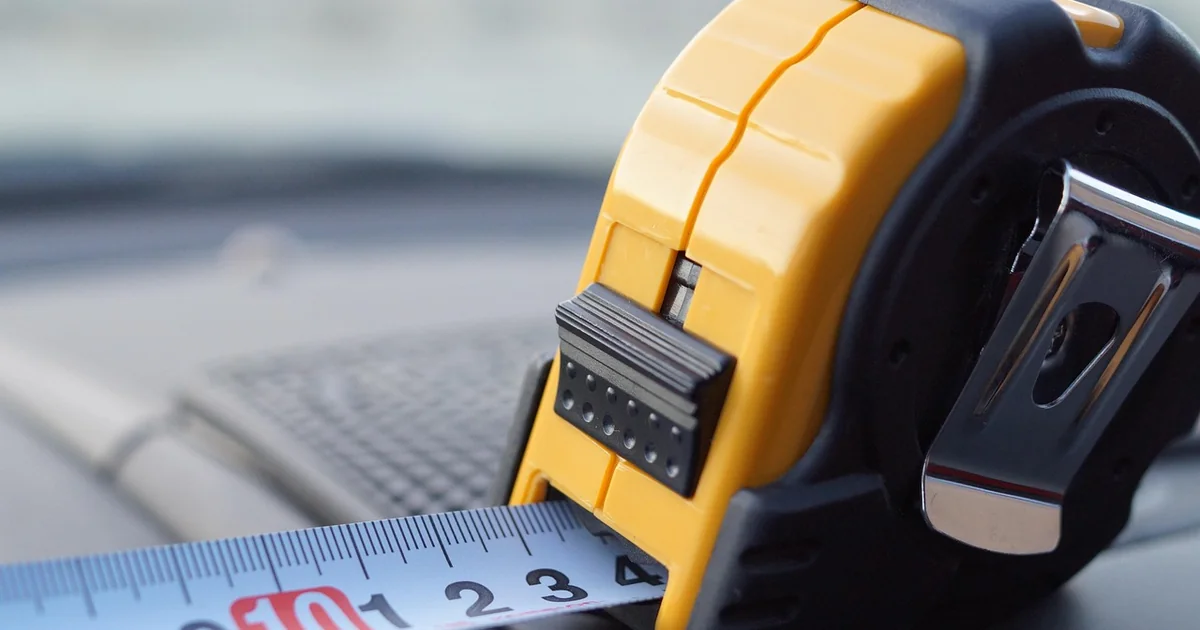
Before you adjust anything else, you need to know your skillet’s true diameter—and it’s not always what the label says. The industry standard for measuring a skillet is across the top rim to rim, so grabbing a simple ruler or tape measure will do the job. Place it across the top opening from the outside rim to the opposite outside rim, making sure you exclude any handles. This straightforward method gives you the pan rim diameter you need for accurate recipe results.
If your skillet has flared or sloped sides, always measure the top opening rather than the bottom cooking surface. It is common to have different cooking surface measurements for the same size skillet based on design differences, so focusing on the top gives you a consistent cast iron skillet measurement. Helper handles and pour spouts do not affect the rim-to-rim measurement, so do not include them in your reading. For Lodge cast-iron skillets, the measurement is taken from outside rim to outside rim. Their numbering system dates back to woodstoves, where numbers corresponded to stove eye openings. For example, the Lodge L10SK3 skillet measures 12 inches across the top and is a 12-inch cast-iron skillet. Occasionally, the size will be stamped on the bottom of the pan, but measuring rim-to-rim remains the most reliable way to confirm you have the right pan for your recipe.
Check 2: Match Your Skillet to Your Burner Size
Even a perfectly measured skillet will perform poorly if it doesn’t match your burner—here’s how to spot the mismatch. When you measure skillet size, you also need to consider your stovetop. If the skillet is too large for the burner, uneven heating is likely, leaving cold spots in your food. If it is too small, energy is wasted as heat escapes around the sides. To determine burner size, measure the diameter of the burner grate or coil. The skillet’s bottom diameter, or cooking surface, should be close to the burner diameter for even heat. For example, a smaller 8-inch skillet produces more evenly distributed heat and the ability to reach high temperatures on a small burner. In contrast, a 12-inch skillet allows large amounts of food to be cooked at once and greater heat retention, but it needs a large burner to work efficiently. Based on design differences, it is common to have different cooking surface measurements for the same size skillet, so always check the pan bottom diameter against your burner. This simple stovetop compatibility check ensures energy efficiency cooking and better results every time.
Check 3: Adjust Recipes When Your Skillet Size Differs
When a recipe calls for a 10-inch skillet but you only have a 12-inch—or an unlabeled pan—here’s how to adapt without ruining the dish. If your pan is larger than the recipe specifies, reduce the heat slightly to prevent burning, and keep an eye on cooking time; the wider surface area can cook food faster. If your skillet is smaller, cook in batches to avoid overcrowding. An overcrowded pan will cause food to steam instead of brown, resulting in inferior texture and possibly flavor. Batch cooking is the simplest way to preserve the intended texture. For reference, the Better Homes & Gardens Test Kitchen defines a large skillet as 10 inches and an extra-large as 12 inches, while Meyer Corp. defines a large skillet as any 12 inches or larger rim to rim. A 10-inch pan offers more room without overcrowding and minimal sacrifice of heat retention.
To measure skillet size on an unlabeled pan, measure straight across the top from rim to rim. If the stamped size seems off, trust your own measurement. For non-circular skillets like square or oblong pans, measure the longest cooking surface dimension, or the diagonal for square pans. This simple method helps you measure skillet size accurately, making recipe pan substitution and cooking time adjustment straightforward. Knowing your true size also guides batch cooking skillet decisions and ensures your square skillet measurement matches what you actually have.
Passend dazu: 5 Parsley Prune Tips for the Tastiest Harvest vertieft dieses Thema mit konkreten Beispielen.
Frequently Asked Questions
How do I correctly measure my skillet if it has a helper handle or pour spouts?
To measure skillet size accurately, ignore handles and pour spouts entirely. Place the pan on a flat surface and measure straight across the top opening from one outer edge to the opposite outer edge, not including the handles. This gives you the true diameter, which is the standard way recipes reference pan size.
Why does my 12-inch skillet say it is a 10-inch on the bottom?
This often happens because manufacturers measure the bottom cooking surface rather than the top rim. A pan stamped 10 inches on the base might flare out to 12 inches at the top. When you need to measure skillet size for a recipe, always use the top rim measurement, as that determines how much surface area you have for cooking.
Can I use a 12-inch pan when a recipe calls for a 10-inch skillet, and what adjustments do I need to make?
Yes, it is generally safe to use a larger skillet, but you will need to adjust for even cooking. The food will spread out more thinly, so it may cook faster and brown more quickly. Reduce your heat slightly and check for doneness a few minutes earlier than the recipe suggests to avoid burning.