
Amazon US Verified
Smart LED Dimmable Warm Accent Bulbs
Energy-efficient 2700K warm white bulbs supporting customized ambiance scheduling.
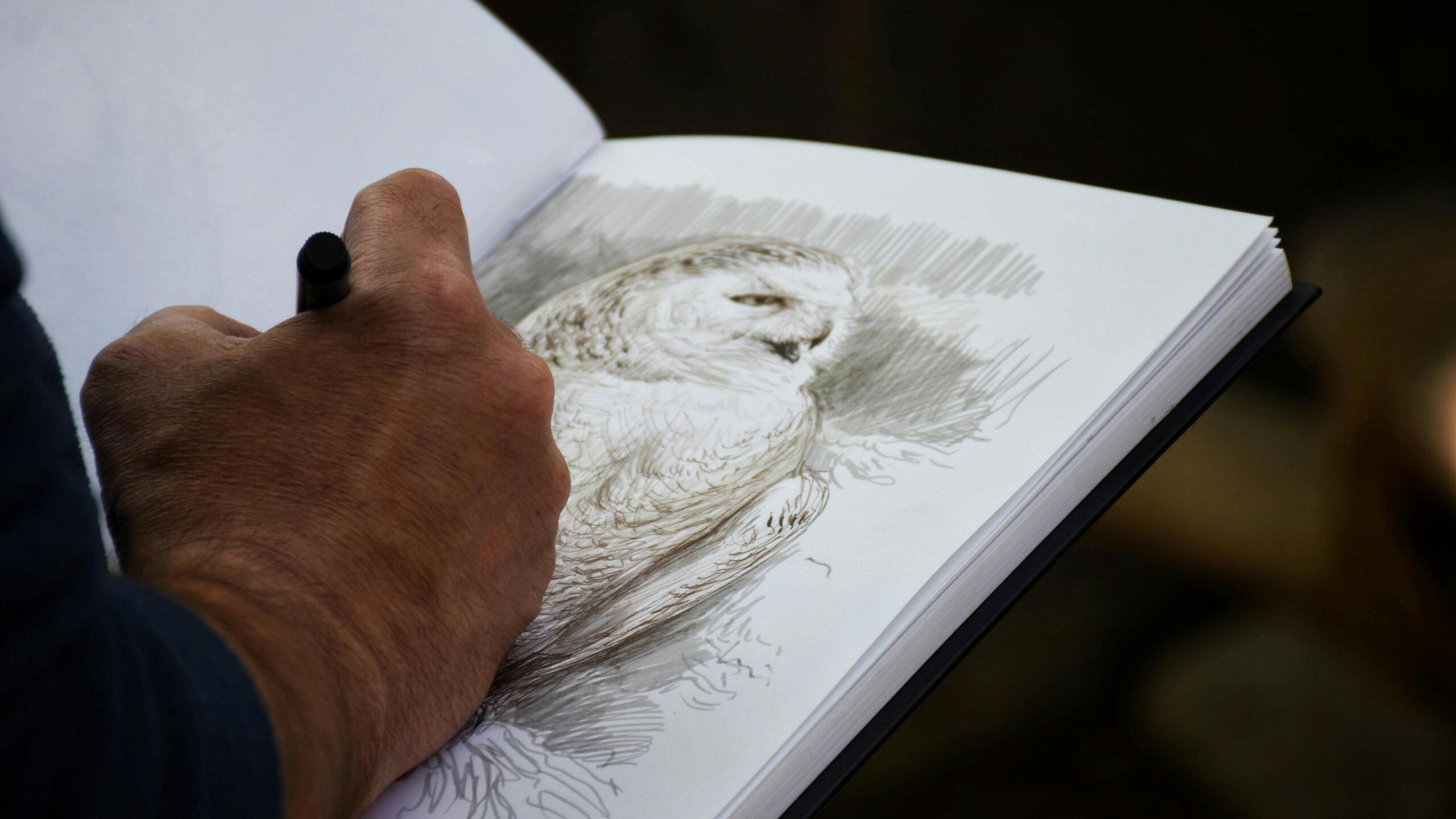
Animal sketches are a great way to overcome artist’s block. Start with quick warm-ups like drawing a badger, axolotl, or tapir. Spend just 10 minutes a day sketching simple animal shapes to build confidence and fill your sketchbook with playful, imperfect drawings. Animal sketches are quick, informal drawings of animals that serve as warm-ups to overcome creative blocks and fill sketchbooks with playful, imperfect shapes. This guide offers a practical approach to jumpstart your creativity and improve your drawing skills.
Why Start with Animal Sketches to Beat Artist’s Block?
Animal sketches are an excellent low-pressure method to bypass creative roadblocks and reignite your passion for drawing. They serve as informal warm-ups, encouraging you to focus on simple shapes and lines rather than complex compositions. This approach helps to loosen up your drawing hand and mind, reducing the anxiety often associated with a blank page. Data shows that starting a daily sketching habit with a 10-minute brain dump of simple animal shapes can build momentum and confidence, making it easier to tackle larger projects.
What are animal sketches? Animal sketches are essentially quick, informal studies of animals. They are not meant to be perfect masterpieces but rather spontaneous captures of form, movement, and character. How can animal sketches help with artist’s block? By focusing on animals, you engage with a subject matter that is often dynamic and visually interesting without demanding intricate detail. The inherent simplicity of quick sketches allows you to bypass the self-criticism that can lead to creative paralysis.
Next, discover a clever method to generate endless animal sketch ideas.
How to Choose Animals for Your Sketches?
Transitioning from the “why” to the “how,” a simple and effective method for generating a unique list of animal sketch subjects involves leveraging the vast resources of Google. This approach ensures variety and can lead you to discover lesser-known creatures, sparking new inspiration. According to the article, selecting animals by asking Google for lists of animals starting with each letter of the alphabet and clicking on random names is a playful exploration that guarantees a fresh set of subjects for your sketchbook.
How do I come up with animal sketch ideas? Begin by opening a web browser and searching for phrases like “list of animals starting with A,” “animals beginning with B,” and so on, through the entire alphabet. As the search results appear, scroll through the provided lists and click on any animal name that catches your eye or sounds intriguing. Don’t overthink your choices; the goal is variety and spontaneity. This method can uncover creatures you’ve never considered drawing before, such as an aardvark or an alpaca.
Now, let’s explore a curated list of 25 quick animal sketches.
25 Quick Animal Sketches to Try Today
With a wide array of animal options available, here is a curated list to help you fill your sketchbook quickly and overcome artist’s block. These subjects are chosen for their distinctive shapes and the potential for quick studies. The article presents 25 animal sketching ideas: badger, quoll, bear, beaver, egret, badger cub, axolotl, tapir, aardwolf, bluejay, ostrich, manatee, sand goby fish, hyrax, crane, impala, cougar, reindeer, aardvark, camel, mouse, alpaca, mayfly, lizard, frog; and a mother rhino with calf as an advanced exercise.
Here are the 25 quick animal sketch ideas:
- Badger
- Quoll
- Bear
- Beaver
- Egret
- Badger cub
- Axolotl
- Tapir
- Aardwolf
- Bluejay
- Ostrich
- Manatee
- Sand goby fish
- Hyrax
- Crane
- Impala
- Cougar
- Reindeer
- Aardvark
- Camel
- Mouse
- Alpaca
- Mayfly
- Lizard
- Frog
From this extensive list, some animals have fascinating traits worth exploring in detail.
Why the Axolotl Is a Perfect Sketch Subject
Now that you’ve warmed up with simpler sketches, challenge yourself with a more complex subject. The axolotl, a fascinating aquatic salamander, presents a unique combination of quirky aesthetics and biological intrigue, making it an ideal candidate for a drawing warm-up. Its external gills and serene expression offer distinctive visual elements to explore. “The axolotl can regrow any damaged limb, a remarkable biological feat that adds another layer of interest to this creature,” as noted in the article.
Capturing the axolotl’s appearance in a sketch can be achieved by focusing on its characteristic round head, lidless eyes, and the plume-like gills that fan out. Its body shape is generally elongated and slightly flattened, with small limbs and a tail. For a quick sketch, you can simplify these features, emphasizing the overall shape and the prominent gills. This focus on unique attributes helps in creating a recognizable and engaging drawing without getting bogged down in anatomical perfection.
Ready for a challenge? Let’s move on to an advanced exercise.
Advanced Challenge and Conclusion: Sketching a Mother Rhino and Calf
With practice, you can tackle this advanced composition and see your skills improve. For an advanced exercise, sketching a mother rhino and calf offers a fantastic opportunity to practice capturing mass, form, and interaction. This subject requires an eye for shapes and a willingness to use a free hand, moving beyond single elements to depict relationships between subjects. The article includes a mother rhino and calf sketch as a more advanced exercise that requires an eye for shapes and a free hand, as reported by the author.
To approach this sketch, observe the large, sturdy shapes of the rhinos. Focus on the gentle curve of the mother’s back and the smaller, perhaps more rounded form of the calf beside her. Notice the texture of their skin and the distinctive horns. “Don’t strive for photorealism; instead, capture the essence of their bulk and the protective bond between them,” as suggested for this advanced exercise. This pushed you to think about composition, negative space, and the interplay of light and shadow on curved surfaces.
By incorporating quick animal sketches into your routine, you can effectively combat artist’s block, fill your sketchbook with diverse studies, and continuously refine your drawing abilities. Remember, the goal is progress, not perfection.
FAQ
Q: What are animal sketches?
A: Animal sketches are quick, informal drawings of animals used as warm-ups to overcome creative blocks and fill sketchbooks with playful, imperfect shapes.
Q: How can animal sketches help beat artist’s block?
A: They provide a low-pressure, 10-minute brain dump of simple shapes, helping you stop overthinking and start drawing regularly.
Q: How do I choose animals to sketch?
A: Ask Google for lists of animals starting with each letter of the alphabet, then click on random names to generate fun, unexpected ideas.
Q: What are some easy animal sketches?
A: Start with badger, quoll, beaver, egret, axolotl, tapir, bluejay, ostrich, manatee, or any of the 25 listed species for quick warm-ups.
Q: Why is the axolotl a good sketch subject?
A: The axolotl can regrow any damaged limb, making it both visually unique and fascinating to capture in quick drawings.
As an Amazon Associate, azuloz.com earns from qualifying purchases.