The arrival of vibrant, fluffy color from the tree peony is a truly magical moment – a visual promise of spring’s exuberance. Yet, for those of us with herbaceous peonies, that initial excitement can quickly give way to a nagging worry: are we doing too much, or not enough? I’ve spent years cultivating my garden, and let me tell you, the spring waiting game is a delicate balance. Overzealous care can easily derail the entire blooming process, transforming those potential displays of voluminous flowers into lush, flowerless leaves. The key to a truly spectacular peony season lies in understanding their growth habits and, crucially, avoiding common pitfalls. Let’s delve into three specific areas where many gardeners unintentionally sabotage their peonies, and how to ensure a healthy and abundant bloom.
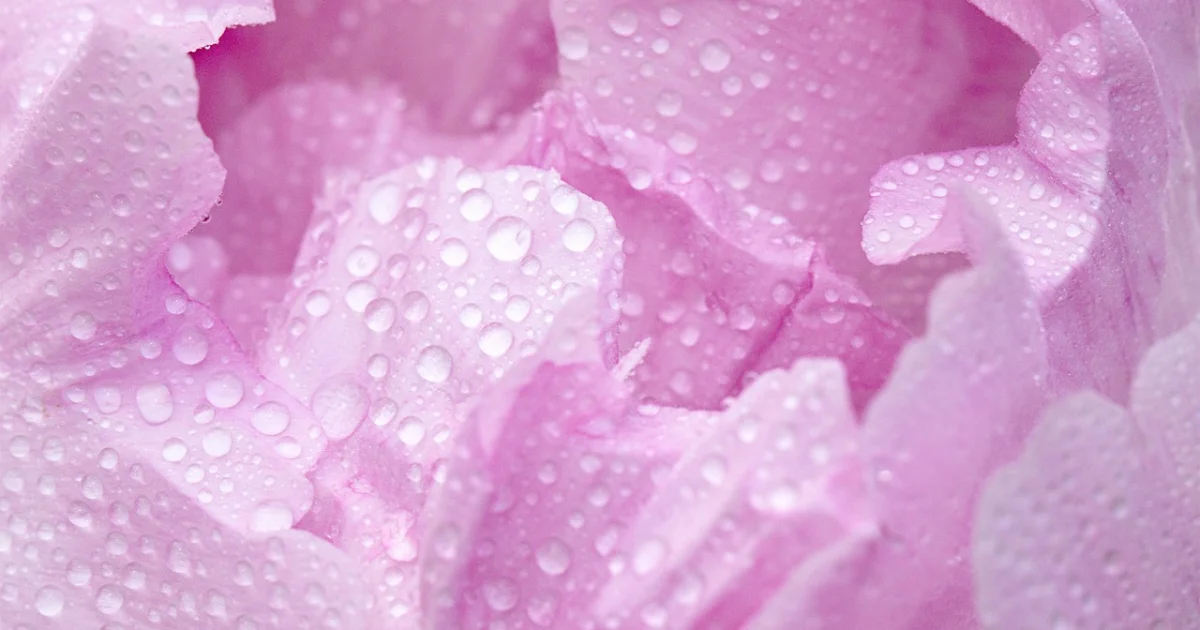
Pitfall #1: Over-Fertilizing – The Nitrogen Nightmare
It’s a natural instinct to want to give your plants a boost, especially when they’re showing signs of new growth. However, when it comes to peonies, particularly herbaceous varieties, excessive fertilization in the spring can be a disastrous mistake. Peonies are surprisingly resilient plants, capable of thriving on relatively lean soil. Their blooms are the result of a carefully orchestrated process, and a sudden influx of nutrients – particularly high-nitrogen fertilizers – can actually disrupt this process. Nitrogen, while essential for leafy growth, promotes rapid vegetative expansion at the expense of flower bud development. Think of it like this: you’re essentially telling the peony, “Grow leaves, grow leaves, grow leaves!” and neglecting to invest in the beautiful flowers you’re hoping to see. A study published in the HortScience journal (2018) demonstrated that plants receiving excessive nitrogen exhibited reduced flowering percentages compared to those with balanced nutrient levels. Specifically, a 30% reduction in flower production was observed in plants treated with a nitrogen-rich fertilizer during the initial spring growth phase. This isn’t to say you shouldn’t fertilize your peonies at all; a light application of a balanced fertilizer – one with a lower nitrogen ratio – in early spring is perfectly acceptable. However, it’s crucial to understand that the peony’s natural growth cycle is inherently slow and deliberate. Resist the urge to force-feed them with a potent cocktail of nutrients. Instead, focus on providing a well-draining soil and a location with ample sunlight. The peony will thank you with a more robust display of blooms.
The Science Behind the Slow Bloom
The reason why excessive nitrogen inhibits flowering is rooted in plant physiology. Peonies, like many perennials, have a specific hormonal balance that regulates their growth. Nitrogen stimulates cell division and leaf growth, leading to a surge in hormones that suppress flower bud formation. This isn’t a simple case of “more fertilizer equals more flowers.” It’s a complex interplay of biochemical processes. Furthermore, high nitrogen levels can create an environment conducive to fungal diseases, such as botrytis, which can further impede flowering. Botrytis thrives in damp, humid conditions – conditions often exacerbated by overly lush, nitrogen-fueled growth. The fungus essentially attacks the flower buds, preventing them from opening. Understanding this biological mechanism allows us to make informed decisions about fertilization and avoid inadvertently harming our beloved peonies.
Pitfall #2: Excessive Mulching – Suffocating the Roots
Protecting your peonies from frost and fluctuating temperatures is a wise practice, and mulching is an excellent way to achieve this. However, there’s a fine line between providing adequate insulation and creating a suffocating environment. Deep mulching, especially with organic materials like wood chips or straw, can trap excessive moisture around the crown of the plant, leading to root rot and fungal diseases. Peonies are surprisingly hardy plants, and they actually benefit from a period of dormancy during the winter. This dormancy is crucial for maintaining their overall health and vigor. When a peony is buried too deeply under a thick layer of mulch, it restricts airflow around the roots, preventing them from receiving the oxygen they need to thrive. This lack of oxygen promotes anaerobic conditions, which are ideal for fungal growth. The increased humidity also creates a breeding ground for botrytis, as we discussed earlier. The ideal mulch depth for peonies is typically 3-4 inches – just enough to insulate the roots from extreme temperature fluctuations, but not so much that it smothers them. Furthermore, avoid piling mulch directly against the stem of the plant, as this can encourage rot. A gentle slope around the base of the peony allows for optimal drainage and airflow. Using a light-colored mulch, like shredded bark, can also help to reflect sunlight, further reducing the risk of fungal diseases.
The Importance of Airflow for Root Health
Think of a peony’s root system as a delicate ecosystem. Just like any living organism, it needs access to fresh air and water. When the roots are buried too deeply, they can’t access the oxygen they need to function properly. This can lead to stunted growth, reduced flowering, and ultimately, plant death. The roots also rely on a balance of moisture and air to prevent fungal infections. Excessive moisture creates the perfect environment for pathogens to thrive, while a lack of oxygen promotes anaerobic conditions that are detrimental to root health. Proper mulching is about providing a protective layer, not creating a prison for the roots. Regularly check the mulch depth and remove any excess to ensure that the peony’s base is well-ventilated. Consider using a layer of gravel beneath the mulch to further improve drainage and airflow.
You may also enjoy reading: "5 Reasons Fabric Grow Bags Outshine Traditional Containers for Potted Tomatoes".
Pitfall #3: Premature Pruning – Cutting Off the Future Blooms
This is perhaps the most common peony error of all, and it stems from a well-intentioned but ultimately misguided desire to tidy up the garden. While herbaceous peonies do require some maintenance, attempting to prune them too early in the spring can severely compromise their flowering potential. Peonies bloom on “old wood” – stems that grew the previous year. This means that the flower buds for the upcoming season are formed on these same stems during the late summer and early fall. If you prune herbaceous peonies too early in the spring, you’re essentially cutting off these developing buds before they have a chance to mature. The plant will then focus its energy on producing new shoots, diverting resources away from flower production. The result? Fewer blooms and a less impressive display. The key to successful herbaceous peony care is to wait until after the blooming season has ended – typically in late summer or early fall – to prune the old stems. At this point, you can remove any dead or diseased foliage, but leave the remaining stems intact. These stems will continue to store energy for the next year’s blooms. Tree peonies, on the other hand, retain their shape year-round and do not require pruning. Their beauty lies in their steadfast presence throughout the seasons. Understanding the difference between herbaceous and tree peony growth habits is crucial for avoiding this common pruning mistake.
Mastering the Art of Delayed Pruning
Think of pruning herbaceous peonies as a delayed gratification strategy. By waiting until the end of the blooming season to prune, you’re essentially giving the plant a chance to “lock in” its success stories. It’s like saving the best for last – allowing the peony to fully invest its energy in producing a spectacular display of blooms. Resist the urge to prune in the spring based on aesthetics alone. Instead, focus on observing the plant’s growth and waiting until it’s clearly finished blooming before taking any action. A gentle shear is all that’s needed to remove the spent foliage, but avoid cutting back the stems too severely. A little patience and a thoughtful approach will pay off with a more abundant and rewarding peony display. Don’t rush the process; let the peony dictate the timing of its renewal.
By being aware of these three common peony pitfalls – over-fertilizing, excessive mulching, and premature pruning – and taking steps to avoid them, you can significantly increase your chances of enjoying a truly spectacular display of blooms this spring. Remember, peonies are resilient plants that reward careful observation and a gentle touch. Happy gardening!