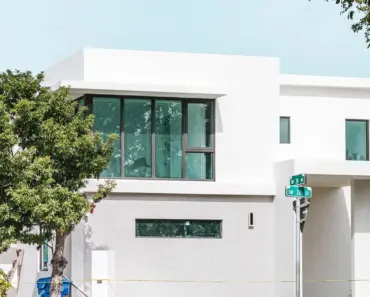
The Rise and Fall of the Atomic Ranch: A Tale of Style, Technology, and Space
The atomic ranch – with its expansive windows, low-pitched roofs, and emphasis on indoor-outdoor living – was once the quintessential American dream home. These homes, popular in the mid-20th century, represented a shift towards a more relaxed, modern lifestyle. But, by the 1970s, the atomic ranch had largely disappeared from the housing landscape. This wasn’t a matter of declining popularity; it was a consequence of a confluence of factors, primarily rooted in technological limitations and the unique challenges of the American West. Understanding why these homes faded from favor offers a fascinating glimpse into the evolution of American architecture and the interplay between design, economics, and environmental concerns. Let’s delve into the story of the atomic ranch and explore why builders stopped building them – and whether a revitalized version might be possible today.

The popularity of the atomic ranch exploded in the post-World War II era. The GI Bill fueled a massive housing boom, and builders sought a design that appealed to the growing suburban population. The ranch style, with its horizontal layout and emphasis on simplicity, proved incredibly successful. However, the “atomic” element – the large windows and open floor plans – added a distinct midcentury modern aesthetic that resonated with a generation eager to embrace a new, optimistic future. These homes were marketed as efficient, affordable, and connected to the natural world, a perfect fit for the burgeoning suburbs of California, Arizona, and the Southwest. Estimates suggest that over 800,000 atomic ranch homes were built across the United States, primarily between 1948 and 1970. They became synonymous with the American Dream – a comfortable, stylish home for a growing family, nestled amongst a burgeoning landscape of manicured lawns and driveways.
The Technological Bottleneck: Insulation and Energy Efficiency
The fundamental problem with the atomic ranch wasn’t its style; it was its inefficiency. The very features that made these homes so appealing – their vast expanses of glass – also created a significant challenge in terms of energy conservation. As air conditioning became increasingly prevalent, starting with a modest 10% adoption rate in the 1950s and accelerating dramatically in the late 1960s, the atomic ranch’s design became a liability. The large windows, while providing ample natural light and views, allowed for significant heat loss in the winter and heat gain in the summer.
The widespread adoption of air conditioning wasn’t a sudden event. It was a gradual process that began in the 1930s with early prototypes and gained momentum throughout the 20th century. By the 1970s, nearly 90% of American homes had air conditioning, transforming the way people lived and, crucially, the demands placed on their homes. Existing homes, designed without consideration for this new energy requirement, were struggling to keep up. The passive solar design principles, intended to utilize sunlight for heating, were largely ineffective due to the sheer volume of glazing. The cost of retrofitting these homes with adequate insulation was prohibitive for many homeowners, making it a non-starter for builders looking to maximize profit margins. The building industry was simply not equipped to address the energy efficiency shortcomings of the atomic ranch. Furthermore, window insulation technology was still in its infancy, and the cost of premium, energy-efficient windows was simply too high to justify widespread adoption during the peak of the atomic ranch boom.
The Shrinking Lot: California’s Unique Constraints
While the technological challenges were significant, geographical factors played an equally crucial role in the decline of the atomic ranch. California, the epicenter of the atomic ranch movement, presented a particularly unique set of constraints. The state has the second smallest lot sizes in the nation, after Nevada, and the highest average lot prices, surpassing even Hawaii. This scarcity of land, coupled with a rapidly growing population, created immense pressure on developers to build as many homes as possible.
The atomic ranch’s expansive footprint – its long, low profile and generous landscaping – was simply incompatible with the small lot sizes prevalent in many California communities. Builders quickly realized that they couldn’t profitably build atomic ranches on the limited parcels of land available. The split-level design, with its stacked floors and steeper rooflines, became a more efficient use of space, allowing for more homes to be built on the same amount of land. The rise of the McMansion – larger, more ostentatious homes – reflected this shift in building practices, a direct consequence of the land scarcity and the desire for bigger, bolder homes. It’s estimated that over 80% of the homes built in California after 1970 were not atomic ranches, highlighting the dramatic shift in architectural preferences. The issue wasn’t just California; similar pressures existed in the Southwest, contributing to the overall decline of the style nationwide.
Beyond Insulation: The Rise of Other Styles
The atomic ranch wasn’t the only architectural style vying for popularity in the latter half of the 20th century. The split-level home, with its tiered floors and emphasis on verticality, offered a more compact and efficient design, perfectly suited to the limited lot sizes of California. The ranch style itself evolved, becoming taller and more boxy, often incorporating elements of Colonial and Tudor architecture. The rise of the McMansion – characterized by oversized square footage, multiple stories, and elaborate landscaping – reflected a broader cultural shift towards luxury and extravagance.
Architectural historian David Bricker notes, “Perhaps for now it’s just too ordinary and common.” He suggests that the atomic ranch’s inherent simplicity, once a key selling point, became a drawback as other styles offered more visual interest and a greater sense of grandeur. The space race—the rapid advancements in technology and the desire for larger homes—also played a role. Builders focused on building up, not out, leading to a preference for multi-story designs and a decline in the horizontal, single-story ranch.
A Potential Revival: Window Technology and Sustainable Design
Despite its historical decline, the atomic ranch’s core principles – open floor plans, indoor-outdoor living, and a connection to nature – remain appealing. And, surprisingly, there may be a path to bringing the style back into vogue, thanks to advancements in window technology and a renewed focus on sustainable design.
You may also enjoy reading: "5 Reasons Fabric Grow Bags Outshine Traditional Containers for Potted Tomatoes".
Window insulation technology has made significant strides in recent decades. While basic windows are still relatively inexpensive, premium, energy-efficient windows – such as triple-pane windows – offer exceptional insulation values and noise reduction. Companies like Indow Window Inserts are offering a cost-effective solution, providing most of the insulation value of triple-pane windows for less than half the price. These acrylic inserts slide into existing window frames, effectively creating a third pane of glass and dramatically improving energy efficiency.
Furthermore, incorporating sustainable design principles – such as passive solar heating, natural ventilation, and the use of locally sourced materials – can address the original shortcomings of the atomic ranch. By combining these modern solutions with the style’s inherent charm, it may be possible to create a contemporary version of the atomic ranch that is both aesthetically pleasing and environmentally responsible. Imagine an atomic ranch with Indow inserts, solar panels on the roof, and a drought-tolerant landscape – a home that embodies the best of both worlds: a nod to the past and a commitment to the future.
The Atomic Ranch Today: A Legacy of Simplicity
Today, atomic ranch homes can be found in abundance throughout the Western United States, often serving as affordable and well-maintained family homes. While they may not be the most glamorous or technologically advanced homes on the market, they retain a certain nostalgic charm and a sense of practicality. Their relatively simple design, low maintenance requirements, and spacious floor plans continue to appeal to buyers seeking a comfortable and affordable place to call home.
The story of the atomic ranch is a reminder that architectural trends are often driven by a complex interplay of technological, economic, and social factors. It’s a story of a design that was ahead of its time, a design that ultimately succumbed to the challenges of a rapidly changing world. However, with a little ingenuity and a commitment to sustainable design, the atomic ranch may yet find a place in the hearts – and homes – of future generations.
The space race: Building up, not out
The drive to build more houses, combined with the increasing difficulty of finding larger lots, ultimately led to a shift away from the horizontal, sprawling design of the atomic ranch. Builders responded by focusing on vertical expansion, creating multi-story homes that maximized the use of limited land. This trend, coupled with the rise of the McMansion, transformed the American housing landscape, leaving the atomic ranch a relic of a bygone era.