Why Your Backyard Needs a Water Fountain
Imagine stepping into your yard after a long day. The air feels still. Then you hear it — a gentle trickle, soft and steady. That sound alone can shift your mood. It lowers stress. It masks traffic noise. It invites birds and butterflies. A fountain does more than decorate. It transforms how a space feels.
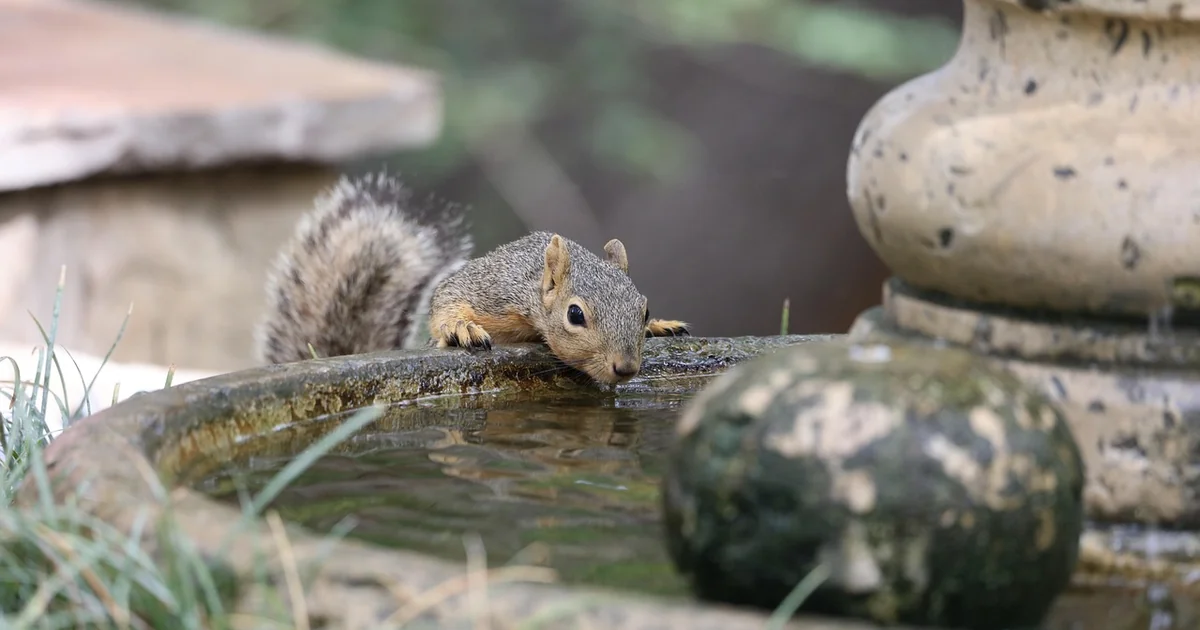
Many homeowners hesitate. They worry about installation, maintenance, or cost. But modern backyard water fountains have evolved. They are lighter, smarter, and easier to set up than ever. Some run on sunlight. Others weigh less than a bag of groceries. You do not need a pond or a professional landscaper to enjoy one.
This guide covers nine specific fountains. Each one solves a different problem. You will learn what to look for, what to avoid, and how to pick the right fit for your space. Let us start with the fountain that surprised many the most.
1. The Lightweight Stone Look: Teamson Fountain
What Makes It Stand Out
The Teamson Fountain looks like carved stone. It has four stacked bowls. Water spills from one level to the next. Multiple spouts create a layered, soothing sound. The surprise? It is made of lightweight polyresin. At about 23 pounds, you can move it around your garden without a dolly.
Built-in LED lights sit inside each bowl. At dusk, they cast a warm glow. This makes evening gatherings more inviting. The fountain also includes screen guards. These prevent leaves, debris, and small animals from getting inside the pump area. That is a thoughtful detail many fountains overlook.

Amazon US Verified
Self-Watering Planters with Drainage Aerators
Elevated reservoir design that prevents soggy roots and ensures steady hydration.
Where It Works Best
This fountain suits any spot where you want a low-maintenance stone appearance. Place it near a seating area or at the end of a garden path. The sound is gentle, not overwhelming. It blends into both modern and traditional landscapes.
Things to Watch Out For
The small decorative parts can crack if you handle them roughly. Be careful when moving the fountain. Also, the power cord is short — about 4 to 5 feet. You will likely need an outdoor extension cord to reach a nearby outlet. Plan your placement accordingly.
2. Solar Freedom: Stacked Stones Outdoor Fountain
How It Works Differently
This fountain runs on solar power. A panel sits on top. On a sunny day, it can operate for up to five hours. But the real trick is the backup lithium battery. When clouds roll in or the sun goes down, the battery keeps the water flowing. That means you get continuous sound without an electrical outlet.
It has four cascading bowls. Each one contains an LED light. The design mimics natural stacked stones. Made from polyresin, it resists weather and UV damage. At just over 12 pounds, you can reposition it easily.
Ideal Placement
This fountain works almost anywhere. The backup battery makes it reliable even in partly shaded yards. Put it on a patio, near a flower bed, or beside a walkway. It does not need to be in full sun all day.
Maintenance Notes
On very hot days, water evaporates faster. You may need to top off the reservoir every day during a heatwave. The finish may also show minor wear over several years. That said, the convenience of solar power outweighs these small issues for most people.
3. Simple Solar Add-On: Floating Fountain for Bird Baths
What This Product Does
This is not a standalone fountain. It is a floating solar pump. You place it in an existing bird bath, small pond, or decorative bowl. Sunlight powers it instantly. No cords. No installation. Just drop it in the water.
It comes with six different nozzle heads. You can switch between a tall spray, a gentle bubble, or a wide fan pattern. Four stabilizing holders keep the pump from drifting to the edge. This prevents splashing and keeps the water contained.
Who Benefits Most
If you already have a bird bath or a small water feature, this pump adds movement without a big investment. It weighs only 8.8 ounces. You can remove it for winter storage in seconds. Birds are attracted to moving water. You will likely see more visits after installation.
Limitations to Consider
Since it relies entirely on sunlight, performance drops on cloudy days. The water height varies with light intensity. If your yard gets limited sun, this may not be the best choice. It also lacks the visual weight of a larger fountain. Think of it as an accent, not a centerpiece.
4. Traditional Elegance: Alpine Corporation Three-Tier Fountain
Design and Build
This fountain features a classic three-tier design. Each bowl sits on a slim, ornate stand. The finish has a patina look — aged bronze with green undertones. A scrollwork base adds a vintage garden feel. It stands 35 inches tall and 20 inches wide.
The material is lightweight, weatherproof resin plastic. At only 6 pounds, it is one of the lightest full-sized fountains available. You can set it up without help. The power cord offers about 4 to 5 feet of reach, similar to the Teamson model.
Best Setting for This Fountain
This fountain suits traditional or cottage-style gardens. Place it near roses, lavender, or climbing vines. The patina finish blends well with natural stone and brick. It also works on a covered porch where it stays protected from heavy rain.
Warranty and Durability
Alpine Corporation backs this fountain with a two-year warranty. That is longer than many competitors offer. The lightweight construction means it can tip over in strong wind if not secured. Consider placing it in a sheltered corner or adding weight to the base.
5. Modern Minimalist: Rectangular Cascading Fountain
Clean Lines and Simple Form
Some backyards call for straight lines and contemporary shapes. A rectangular cascading fountain fits that need. Water flows over a flat edge into a lower basin. The sound is a smooth sheet of water rather than a splashy spray. This creates a more subdued, spa-like atmosphere.
Most models in this style use dark stone or slate-colored resin. They range from 24 to 36 inches tall. The footprint is narrow, so they work well on a deck or against a wall.
Who Should Choose This Style
If your home has modern architecture, a curved urn fountain may look out of place. A rectangular design complements straight rooflines and geometric landscaping. It also pairs well with succulents, gravel, and minimalist furniture.
Installation Tips
These fountains usually require a flat, level surface. Check the base with a bubble level before adding water. An uneven base can cause the water to spill over one side. Most models come with adjustable feet to correct minor slopes.
6. Wall-Mounted Fountain for Small Spaces
Saving Floor Space
Not every backyard has room for a freestanding fountain. A wall-mounted option attaches to a fence, wall, or railing. Water trickles down a textured panel into a small basin. The sound echoes off the wall, making it seem louder than the size suggests.
These fountains are typically 12 to 18 inches wide. They weigh between 10 and 20 pounds. The pump sits inside the basin, hidden from view. Many models include replaceable filter pads to keep the water clean.
Ideal Locations
Mount one on a privacy fence near a seating nook. It also works on a balcony or small patio where floor space is limited. The vertical design draws the eye upward, making a narrow area feel larger.
Water Refill Frequency
Wall-mounted fountains have smaller reservoirs. Expect to refill them every two to three days in warm weather. Some models include a low-water shutoff feature to protect the pump. Check for this before purchasing.
7. The Large Statement Fountain
Making an Impact
Some yards demand a centerpiece. A large statement fountain stands 4 to 6 feet tall. It has multiple tiers, wide basins, and a strong water flow. The sound carries across the entire yard. It becomes a focal point for gatherings and photo backdrops.
These fountains are heavy. They often weigh over 100 pounds. Materials include cast stone, concrete, or heavy-duty resin. You will need two people to move and position them. Some require a concrete pad for stability.
You may also enjoy reading: 5 DIY Mold Removers Using Vinegar.
Best Use Cases
A statement fountain works in a large, open yard. Place it at the end of a long pathway or in the center of a circular garden. It also suits properties with a formal landscape design. The visual weight anchors the space.
Considerations Before Buying
Check your local regulations. Some municipalities have restrictions on water features due to drought concerns. Also, factor in the cost of delivery and installation. A large fountain is not a weekend DIY project for most homeowners.
8. Self-Contained Basin Fountain
No Plumbing Required
A self-contained basin fountain comes as a single unit. The pump recirculates the same water. You do not need to connect it to a garden hose or drainage system. Fill the basin once, plug it in, and it runs continuously.
Amazon US Verified
Organic Perlite Horticultural Soil Conditioner
Lightweight volcanic mineral that improves root aeration and prevents compaction.
These fountains come in many shapes. Urns, stacked stones, and tiered bowls are common. The basin size determines how often you need to add water. A larger basin means less frequent refills.
Why Choose This Type
If you rent your home, a self-contained fountain is ideal. You can take it with you when you move. It also works well for people who want a water feature without permanent changes to their yard. Setup takes less than 30 minutes.
Common Mistakes
People often forget to check the pump flow rate. A pump that is too strong can splash water out of the basin. A pump that is too weak barely moves the surface. Look for a pump with an adjustable flow valve. This lets you fine-tune the water movement.
9. Copper and Metal Fountain for Natural Patina
Material Advantages
Copper fountains develop a natural patina over time. They start bright and shiny. Within months, they turn brown, then green. This aging process creates a unique look that no two fountains share. Copper also resists rust and corrosion better than iron or steel.
These fountains are often handcrafted. You may find hammered textures, etched patterns, or welded seams. The weight varies depending on the gauge of metal. Thicker copper lasts longer but costs more.
Matching Your Garden Style
Copper works well in rustic, farmhouse, or Mediterranean gardens. It pairs beautifully with terracotta pots, olive trees, and gravel paths. The warm tones complement both green foliage and blooming flowers.
Care Requirements
Copper does not need sealing or painting. However, mineral deposits can build up over time. Wipe the surface occasionally with a damp cloth. Avoid using harsh chemicals, as they can damage the patina. If you prefer a shiny look, you can polish the copper, but most people let it age naturally.
Maintenance Tips to Keep Your Fountain Running
Weekly Care
Check the water level every few days. Evaporation happens faster in hot, dry weather. Running the pump dry can damage it. Top off the reservoir with a garden hose or watering can.
Amazon US Verified
Digital 3-in-1 Soil Moisture & pH Meter
Accurate probe to test deep root zone moisture and prevent accidental overwatering.
Remove leaves and debris from the surface. A small skimmer net works well. If debris sinks to the bottom, drain the fountain and rinse the basin. Algae can grow in warm, sunny locations. A few drops of fountain-safe algaecide prevent green buildup.
Seasonal Storage
In freezing climates, drain the fountain completely before winter. Water expands when it freezes and can crack the basin or pump. Store the pump indoors in a bucket of water to keep seals from drying out. Cover the fountain with a waterproof tarp or move it to a shed.
Pump Maintenance
The pump is the heart of your fountain. Clean the intake every month during peak use. A clogged intake reduces water flow. Use a small brush or toothpick to remove debris. Replace the pump every two to three years, depending on usage.
Frequently Asked Questions
How long do backyard water fountains last?
With proper care, a quality resin fountain lasts 5 to 10 years. Copper and stone fountains can last decades. The pump typically needs replacement every 2 to 3 years.
Can I leave my fountain running all the time?
Yes, most pumps are designed for continuous operation. However, turning it off at night extends pump life. Solar fountains stop automatically when the sun goes down unless they have a battery backup.
Do fountains attract mosquitoes?
Moving water does not attract mosquitoes. They prefer stagnant water. As long as your pump runs regularly, mosquitoes cannot lay eggs. Adding a mosquito dunk or larvicide provides extra protection.
How much electricity does a fountain use?
Most small to medium fountains use less electricity than a 60-watt light bulb. Solar fountains use no electricity at all. Running a fountain 24/7 adds only a few dollars to your monthly bill.
Can I put a fountain in full sun?
Yes, but expect more evaporation and algae growth. Place the fountain in partial shade if possible. If full sun is unavoidable, use algaecide and refill the water more often.
As an Amazon Associate, azuloz.com earns from qualifying purchases.