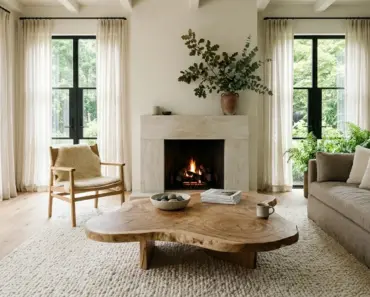
Open-plan living has plenty of perks — natural light flows freely, conversations carry easily, and the whole household feels connected. But sometimes you need a little separation. Maybe you want to carve out a quiet home office corner in the living room. Perhaps a guest bed sits awkwardly in a shared space. Or you simply crave a visual break between the dining area and the entryway. Room dividers solve these dilemmas without requiring a contractor or a building permit. This guide walks through eleven standout options across multiple categories, from classic folding screens to clever shelving units and curtain systems.

Why a Folding Room Divider Works Better Than a Permanent Wall
Permanent walls cost thousands of dollars. They require permits, framing, drywall, and often a loss of natural light. A folding room divider, by contrast, costs a fraction of that and takes seconds to set up. Folding screens, in particular, have been used for centuries — dating back to ancient China during the Han dynasty, around 200 BCE. These early screens served both decorative and practical purposes, often painted with landscapes or calligraphy. Today, the same basic concept thrives because it works. You can extend or collapse the divider to match your exact spatial needs. Store it flat behind a sofa when guests arrive. Pull it out for a private Zoom call. The best folding room dividers adapt to your life, not the other way around.
Amazon US Verified
Peel and Stick Textured Linen Wallpaper
Removable neutral wall covering providing architectural warmth and tactile depth.
Best Folding Room Divider Screens
Folding screens remain the most popular style for a simple reason: they fold and unfold. This allows you to adjust the length to fit any space, from a narrow hallway gap to a wide living room span. Most folding screens collapse into a compact stack, making storage effortless — slide them behind a door, under a bed, or into a closet. These dividers come in hundreds of styles, from minimalist rice paper panels to ornate carved wood. Many brands offer multiple sizes, with up to eight panels stretching as long as 70 inches.
The Mistana Alex Folding Screen
This Japanese-inspired screen uses shoji rice paper stretched over a wooden frame. The paper diffuses light beautifully, creating a soft, warm glow rather than a harsh shadow. It does not block light completely, so it works best for creating a visual boundary without darkening either side. The natural beige tone blends into neutral decor schemes. At roughly five feet tall and four panels wide, it suits apartment bedrooms or studio corners. One drawback: the rice paper is delicate and can tear if bumped by furniture or pets. Place it in a low-traffic zone for best results.

Amazon US Verified
Hang-O-Matic All-in-One Picture Hanging Tool
Tape measure, sliding level, and markers in one tool for flawless gallery walls.
The Sorbus Room Divider
If light blocking is your priority, the Sorbus delivers. Its opaque fabric panels stop most light from passing through, making it a strong choice for separating a sleeping area from a living space. The frame is lightweight steel, and the fabric comes in basic colors like black, beige, and gray. Aesthetic appeal is modest — it looks functional rather than decorative. But for about $40, it offers reliable privacy at a budget price. The panels are 71 inches tall, which covers most standing sightlines. Assembly takes about ten minutes with no tools required.
Best Wood Room Dividers
Wooden dividers bring warmth and permanence. They feel substantial compared to fabric or rattan alternatives. The weight also means they stay put — no wobbling when someone brushes past. Many wooden dividers arrive unfinished or with a choice of stain colors, letting you match existing furniture. Expect to pay more for solid wood, but the durability justifies the investment.
The Vevor Room Divider
This divider resembles a traditional wooden screen door. It features a grid pattern with open slats, so it does not offer total privacy. You can see silhouettes and movement through the gaps. However, it excels at defining a space without making it feel closed off. The natural pine finish works well in farmhouse or rustic interiors. At about $90 for a four-panel unit, it is affordable for real wood. Assembly requires attaching the hinges, which takes roughly 20 minutes. Consider this option if you want a visual boundary but still need airflow and light.
The Beachcrest Home Wood Divider
This divider is larger and more opaque than the Vevor. Standing at 72 inches tall with solid panels, it blocks sightlines effectively. The real standout feature is the built-in shelves. Each panel includes two small shelves, creating space for plants, books, or framed photos. This turns a simple divider into functional storage. The dark espresso finish hides dust and scuffs well. At about $200, it costs more than basic screens, but the added utility makes it a smart buy for small apartments where every square inch counts.
The Cozy Castle Wood Room Divider
Cozy Castle offers a farmhouse aesthetic with its slatted wood design. The panels are slightly spaced, allowing some light through while still creating a sense of separation. It comes in two finishes: natural light wood and rustic brown. The light version brightens a dark corner, while the brown adds warmth. Each panel is 71 inches tall and 18 inches wide. The unit folds flat for storage. Assembly involves snapping the panels together with included connectors — about 15 minutes total. This divider suits living rooms where you want to hide a cluttered desk area without killing the natural light.
Best Fabric Room Dividers
Fabric dividers are lighter than wood and easier to move around. They also absorb more sound than hard surfaces. While no room divider makes a space truly soundproof, fabric panels reduce echo and muffle everyday noise by about 10 to 15 percent, according to acoustic testing data from general building materials. Most fabric dividers come in rectangular panels with a metal or plastic frame. Neutral colors dominate the market, but some brands offer bold hues for a pop of personality.
The Homscreener Fabric Room Divider
This divider comes in multiple panel counts, from three to eight. The fabric is a polyester blend that resists wrinkles and stains. Black and beige are the standard colors, but the brand also offers gray and white. The frame is lightweight steel with a powder-coated finish. Setting it up takes about five minutes — unfold, adjust the hinges, and position it. The fabric surface is easy to wipe clean with a damp cloth. At roughly $60 for a four-panel unit, it is a practical choice for renters who cannot paint or install permanent walls.
The Everly Quinn Green Velvet Divider
For those who want their room divider to double as decor, this velvet option delivers. The rich green fabric adds texture and color to neutral spaces. Velvet also absorbs sound slightly better than standard polyester, thanks to its dense pile. The frame is dark bronze, creating a sophisticated contrast. Each panel measures 72 by 24 inches. The fabric is not completely opaque — strong light sources will show through as a soft glow. This divider works beautifully in a bedroom to separate a dressing area or in a living room to hide a yoga mat setup. Expect to pay around $150 for the three-panel version.

Amazon US Verified
Ceramic Fluted Decorative Vase Set
Modern minimalist ceramic vases perfect for shelves, consoles, and dried florals.
Best Rattan Room Dividers
Rattan has surged in popularity over the last five years, driven by the rise of boho and coastal interior styles. It is lightweight, sustainable, and allows light to filter through while still providing a visual barrier. Rattan dividers feel airy rather than heavy, making them ideal for small spaces where a solid wall would feel oppressive.
The West Elm Zeze Room Divider
West Elm designed this divider with a geometric pattern that catches the eye. The natural rattan weave is handcrafted, so each piece has slight variations in color and texture. The frame is solid mango wood, adding durability. At 70 inches tall and 60 inches wide for the three-panel version, it covers a decent span. The price sits around $300, reflecting the handcrafted quality. This divider works best in a living room or studio where you want to separate a sleeping nook from a sitting area. The open weave means you will see shadows and movement, but the visual separation is clear.
The IKEA Tolkning Room Divider
IKEA offers a more budget-friendly rattan alternative with the Tolkning. It features rounded edges and a uniform weave pattern. The natural finish complements both modern and traditional decor. At about $150 for three panels, it is roughly half the price of the West Elm option. The panels are 63 inches tall, slightly shorter than average, so it works best for sitting-level privacy rather than full standing coverage. Assembly involves attaching the panels with provided screws — about 30 minutes. The lightweight construction makes it easy to reposition when you rearrange the room.
You may also enjoy reading: 35 Coastal Farmhouse Ideas to Transform Every Room.
The Etsy Rattan Panel (Custom)
For a more permanent solution, consider a single rattan panel from Etsy. These panels come in multiple heights, from 48 inches up to 96 inches, and widths from 24 to 48 inches. You can order a single panel to hang from the ceiling or mount on a stand. This is not a folding screen — it is a fixed divider. But it offers customization that pre-made screens cannot match. The natural rattan is sustainably harvested and handwoven. Prices vary by size, typically ranging from $80 to $200. This option suits homeowners who want a semi-permanent partition in a specific spot, such as between a dining area and a home office.
Best Room Dividers With Bookshelves
Bookcase dividers serve two purposes simultaneously: they separate space and provide storage. This dual function is especially valuable in small homes where every piece of furniture must earn its square footage. A tall shelf unit can reach near the ceiling, creating a strong visual boundary. The trade-off is that bookshelves do not block light completely — items on the shelves create shadows, but gaps remain. They also do not offer total privacy, since you can see through the shelves at certain angles. Use them to divide larger areas rather than intimate bedroom corners.
The IKEA Kallax Shelf
The Kallax is a cult favorite for a reason. Its simple grid design fits almost any decor style. You can leave the cubbies open, add baskets for hidden storage, or display books and collectibles. The shelf comes in four neutral colors: white, black-brown, light gray, and natural oak. At 57 inches tall and 30 inches wide for the two-by-two version, it is short enough to see over but tall enough to define a zone. For a taller barrier, stack two units side by side or choose the five-by-five version at 77 inches tall. The price ranges from $50 for the small unit to $150 for the large. Assembly takes about 45 minutes with a friend.
The 17 Stories Noractur Bookcase
This bookcase stands over 7 feet tall — 85 inches to be exact. It reaches close to standard 8-foot ceilings, creating a near-full-height partition. The open-back design means you can see through it, but the solid shelves and items placed on them block most sightlines. The finish is a distressed gray-brown that suits industrial or farmhouse interiors. Each shelf holds up to 30 pounds. At about $250, this is an investment piece, but the storage capacity is substantial. Use it in a large living room to separate a dining area from a lounge zone. The height also makes it a good option for renters who cannot mount anything on walls but want a floor-to-ceiling feel.
The Ecomex Room Divider
This divider combines the look of a traditional folding screen with built-in shelves. It has four wooden panels, each featuring two shelves. The total width when fully extended is about 60 inches. The shelves are deep enough for small plants, photo frames, or candle holders. The wood is engineered with a dark walnut finish that resists scratches. Assembly requires attaching the shelves to the panels with included hardware — roughly 30 minutes. The Ecomex works well in a bedroom to separate a closet area from the sleeping space. The shelves let you display personal items, making the divider feel like intentional decor rather than a temporary fix.
Best Curtain Room Dividers
Curtain dividers offer the most privacy and light control of any option on this list. A blackout curtain blocks 95 to 99 percent of external light, according to standard fabric testing. Curtains also absorb sound better than hard surfaces, though the effect is modest. The downsides are that curtains require installation — typically a ceiling track or tension rod — and they do not fold away as easily as a screen. But for a dedicated home office or a guest sleeping area, a curtain divider provides real separation.
The TwoPages Room Divider Blackout Curtain
This complete kit includes a ceiling track and two blackout curtain panels. The track mounts to the ceiling with screws, and the curtains glide smoothly on rollers. The fabric is triple-woven blackout material, blocking nearly all light. The set comes in several sizes, from a 6-foot width up to 16 feet. Neutral colors like white, gray, and beige dominate, but a few muted tones are available. Installation takes about an hour with a drill and level. The total cost is around $80 to $120 depending on size. This is an excellent solution for a studio apartment where you need to create a temporary bedroom for guests. When not in use, the curtains slide to one side and the track remains discreet against the ceiling.
The RYB Home Wall Divider Curtain
RYB Home offers an impressive range of customization. This curtain comes in 22 colors and 28 sizes, from 4 feet wide up to 12 feet. The fabric is a polyester blend with a blackout coating on the back. It functions as a standard blackout curtain, blocking light and providing privacy. The top has grommets for a standard curtain rod, or you can use a tension rod for a no-drill installation. The price ranges from $25 to $60 depending on size. This is a budget-friendly option for renters who cannot drill into the ceiling. Use a tension rod that fits between two walls or a freestanding curtain pole kit. The wide color selection means you can match existing decor exactly.
The Cbsroro Room Divider Curtains
This set includes a bendable rod that can curve around corners or fit into irregular spaces. The rod is aluminum and extends up to 12 feet. The curtains are blackout fabric in solid colors. The bendable rod eliminates the need for a perfect straight wall — you can create an L-shaped partition or a curved enclosure. Assembly takes about 20 minutes. The set costs roughly $50 to $70. This is ideal for creating a small dressing room in a corner of a bedroom or wrapping around a desk area. The bendable rod adds flexibility that standard straight tracks cannot match.
As an Amazon Associate, azuloz.com earns from qualifying purchases.