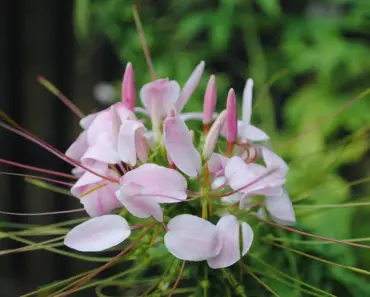
The Optimal Moments for Weed Removal in Your Garden
Weeding is a seemingly endless task for any gardener, a constant battle against unwanted plant life that can quickly take over a beautiful landscape. While it might feel like you can tackle weeds any time, the truth is that timing plays a crucial role in successful removal. Choosing the right moments to pull weeds isn’t just about convenience; it significantly impacts how effectively you remove them, how many come back, and ultimately, the health of your garden. Understanding the best times to weed can save you time, effort, and frustration, transforming a tedious chore into a more manageable and even enjoyable part of your gardening routine. Strategic weed control can save you labor later (and also simplify the process now). When it comes to smart weeding tips, three windows stand out: one tied to soil moisture, one to reproductive cycles, and one to light. Hit all three consistently, and the pressure will drop noticeably in one season. Whether you are in the humid southeast (USDA zone 8) or the cooler reaches of the Pacific northwest (zone 6), these rules are highly effective, irrespective of USDA hardiness zones. Missing these windows allows weeds to steal precious nutrients and moisture from your emerging summer annuals. However, the right knowledge and timing leads to better weeding of plants, enabling you to shut down your garden’s nemesis before it switches gear for the season. Are You Weeding at the Wrong Time? The hard truth is that weeding under a blazing afternoon sun in bone-dry soil is often worse than not weeding at all. You snap the roots, stress your back, and unwittingly wake up thousands more future weeds in the form of dormant seeds. To have a healthy, vibrant yard this summer, you need to transition from being a casual weeder to becoming thoughtful about how you time your weeding sessions. These three windows represent the perfect times where your efforts are magnified tenfold. (Image credit: Yackers1 / Getty Images)
1. The Post-Rain Extraction
Pulling weeds from dry, compacted soil is mostly an exercise in frustration. The top growth comes away, and the root stays in the ground. This is especially true for taprooted weeds like dandelions, common thistle, and dock, where the root can run 6-10 inches (15-25cm) deep and regenerate from whatever gets left behind. Dry or compacted soil grips roots hard enough that clean extraction is difficult without a dedicated tool and real effort. Snap that root even an inch down, and the weed’s back within a few weeks. Perennial weeds are the worst offenders: they bank energy deep in the root and regrow from whatever is left behind. Saturated soil (not muddy, but thoroughly wet – think dark and damp, not standing water) changes this. The water expands the pore spaces in the soil, reducing the grip on the root fibers. The soil loosens, and friction drops, making even the most stubborn taproots slide out whole. The window is usually best 12-24 hours after a heavy soaking rain, once the standing water has drained, but the soil remains dark and damp, and before the surface dries out. You can add a liquid soil loosener and conditioner, such as Soft Soil Soil Aerator from Amazon, to mimic this ideal environment. If you miss the rain, you can deep-water a specific bed the evening before you plan to work. Let it soak overnight, and work the bed first thing in the morning.
Why This Timing Works
The key here lies in the physical properties of soil and root systems. Dry soil creates a tight bond between the roots and the earth, making removal a strenuous, often incomplete, process. The roots break, leaving fragments behind that can sprout into new weeds. Conversely, wet soil allows for greater movement and reduces the likelihood of root breakage. This makes it easier to extract the entire root system, preventing regrowth. This is particularly beneficial for perennial weeds like bindweed, which can send up new shoots from even tiny root fragments. Understanding this principle is crucial for effective weed management.

Practical Application
Monitor your local weather forecast and plan your weeding sessions accordingly. After a good rain, walk through your garden and identify the weeds that are now easier to pull. Use a weeding tool with a narrow blade to get under the roots and gently loosen the soil before pulling. Avoid yanking forcefully, as this can break the roots and leave fragments behind. If you notice a large patch of weeds, consider spot-treating with a natural herbicide like vinegar or boiling water before pulling.
2. Understanding Weed Reproductive Cycles
A weed that’s flowering is about to become a hundred weeds, or even a thousand. This highlights the importance of understanding a weed’s life cycle when determining the best time to remove it. Different weed species have different reproductive strategies, and targeting them at the right stage of their development can significantly impact your success. Many common weeds, like dandelions and clover, are biennial or perennial, meaning they complete their life cycle over two years or multiple years, respectively. These weeds often invest a significant amount of energy in root development, making them more resilient and harder to eradicate once established. The timing of their flowering and seed production is a critical window for intervention. A weed that is actively flowering is channeling all its energy into producing seeds, which are the next generation of the plant. Removing these weeds at this stage prevents them from spreading their seeds and establishing new plants.
Biennial Weeds
Biennial weeds complete their life cycle over two years. In the first year, they focus on root and foliage growth. In the second year, they flower, produce seeds, and then die. Examples include burdock, horsetail, and common mallow. The best time to control biennial weeds is in their first year, before they bolt (flower) and set seed. This often means early spring or late summer, depending on the specific species. If you wait until they flower, you’ll be dealing with a shower of seeds that will infest your garden for years to come.
Perennial Weeds
Perennial weeds live for more than two years and typically reproduce through their root systems. Examples include dandelions, thistle, and bindweed. These weeds can store energy in their roots, allowing them to regrow even after being cut back. The best time to control perennial weeds is in the spring or fall, when they are actively growing but before they become too established. Spring is particularly effective because the weeds are drawing energy from their root reserves to produce new growth. Fall is also a good time because the weeds are preparing for winter and have less energy to defend themselves. Consistent removal throughout the growing season is often necessary to keep perennial weeds under control.
Identifying Flowering Weeds
Regularly inspect your garden for weeds that are flowering. Pay attention to the flower type, color, and size. Different weeds have distinct floral characteristics. For instance, dandelions have bright yellow flowers, while clover has small, white or pink flowers clustered together. Once you identify a flowering weed, it’s a clear signal that it’s time to take action. Early intervention is key to preventing the spread of seeds and limiting the weed’s ability to re-establish itself.
3. Leveraging Light Conditions
When it comes to smart weeding tips, three windows stand out: one tied to soil moisture, one to reproductive cycles, and one to light. This third window focuses on the sun’s position and intensity, which can influence weed growth and make certain times more conducive to removal. Weeds, like all plants, rely on sunlight for photosynthesis. The amount of sunlight a weed receives can affect its growth rate and its ability to store energy. Understanding how light affects weeds can help you choose the most effective time to pull them. For instance, avoiding weeding during the hottest part of the day can reduce stress on both you and the plants.
Morning Weeding
Early morning is often the best time to weed. The soil is still cool and moist from the night, and the sun is not yet at its peak intensity. This makes for a more comfortable weeding experience and reduces the risk of overheating. Furthermore, the dew on the leaves makes it easier to see weeds and identify them before they become fully established. Morning also allows you to address any new weeds that have sprouted overnight before they have a chance to grow larger and spread their seeds.
Late Afternoon/Early Evening Weeding
Late afternoon or early evening can also be a good time to weed, especially during hot summer months. The sun is less intense, and the soil has had a chance to cool down. However, avoid weeding too late in the evening, as this can increase the risk of spreading weed seeds as you walk around the garden. The cooler temperatures of late afternoon can also make it easier to see weeds, as they are less likely to be wilted from the heat.
Avoiding Midday Weeding
Weeding during the hottest part of the day, typically between 11 am and 3 pm, is generally not recommended. The soil will be hot and dry, making it difficult to extract weeds without breaking the roots. You’ll also be putting yourself at risk of heat exhaustion. Furthermore, the intense sunlight can stress the weeds, making them more resilient and harder to remove. If you must weed during the midday hours, take breaks in the shade, wear protective clothing, and drink plenty of water.
Strategic Weeding for a Healthier Garden
These three windows – the post-rain extraction, understanding reproductive cycles, and leveraging light conditions – represent the perfect times where your efforts are magnified tenfold. By paying attention to these factors, you can significantly improve your weeding efficiency and create a healthier, more productive garden. Remember, consistent and strategic weeding is an ongoing process, not a one-time event. Regularly inspect your garden and address weeds as soon as they appear to prevent them from becoming a major problem. This proactive approach will save you time, effort, and frustration in the long run. The more vigilant you are, the less time you’ll spend battling weeds, and the more time you’ll have to enjoy the beauty and bounty of your garden.
Resources
For more detailed information on specific weeds and their control, consult your local extension office or a reputable gardening website. Consider joining a local gardening club or online forum to connect with other gardeners and share tips and advice. With a little planning and effort, you can conquer the weed problem and enjoy a thriving garden.
Is There a Better Time of Year to Weed?
While the principles of timing are crucial, there are broader seasonal considerations that can influence your weeding strategy. Spring and fall are generally considered the most important times for weeding, as weeds are actively growing and establishing themselves during these seasons. However, consistent monitoring and removal are necessary throughout the entire growing season to prevent weeds from taking over. The spring thaw often brings a surge in weed growth, as dormant weed seeds germinate and seedlings emerge. Addressing these early weeds before they become established is essential for a successful garden. Fall weeding is also important, as it helps to reduce the weed seed bank in the soil, preventing future infestations. By focusing on weeding during these key seasons, you can significantly reduce the overall weed pressure in your garden.
Spring Weeding
Spring is a critical time for weeding, as many weed seeds that were dormant over the winter germinate with the warming temperatures and increased moisture. Focus on removing annual weeds, such as crabgrass and chickweed, before they have a chance to set seed. These weeds are particularly aggressive in the spring and can quickly take over a garden bed. Regularly inspect your garden and pull any weeds you find as soon as they appear. Early spring weeding can also help to improve soil health by removing organic matter and reducing competition for nutrients.
Summer Weeding
Summer weeding is an ongoing task, as weeds continue to grow and reproduce throughout the season. Focus on removing perennial weeds, such as dandelions and thistle, during the summer months. These weeds are more difficult to eradicate once they are established, so early intervention is key. Regularly monitor your garden and pull weeds before they flower and set seed. Consider using mulch to suppress weed growth and reduce the amount of weeding required.
Fall Weeding
Fall weeding is an often-overlooked but essential part of weed management. As temperatures cool and plant growth slows down, weeds become less active. Fall weeding helps to reduce the weed seed bank in the soil, preventing future infestations. Remove any weeds that have gone to seed to prevent them from spreading. You can also apply a cover crop to the soil to suppress weed growth and improve soil health. Fall is also a good time to aerate the soil, which can improve drainage and reduce weed pressure.
Conclusion
Mastering the art of timing is paramount to effective weed control. By understanding the best times to weed based on soil moisture, reproductive cycles, and light conditions, you can significantly reduce the amount of time and effort required to maintain a weed-free garden. Remember that consistent monitoring and proactive intervention are key to preventing weeds from taking over. With a little knowledge and effort, you can enjoy a beautiful and productive garden without the constant battle against unwanted plant life.