Bigger Plants Investment: Why Size Matters in Your Garden
As you browse the plant selections at your local garden center or nursery, you’ll likely find some small plants (often sold in six-pack containers) and larger plants in 1-gallon-size (or larger) containers. Which is better? The answer depends a lot on what you’re planting and when you’re planting it. Understanding the advantages of each size can significantly influence your gardening success and overall satisfaction. Here are the pros and cons of various plant sizes to consider so you can make the best buy. Leslie Hunter is the horticulture manager at the Greater Des Moines Botanical Garden in Iowa. Sandra Mao is an urban gardening personality on social media and the author of Vibrant Harvest.
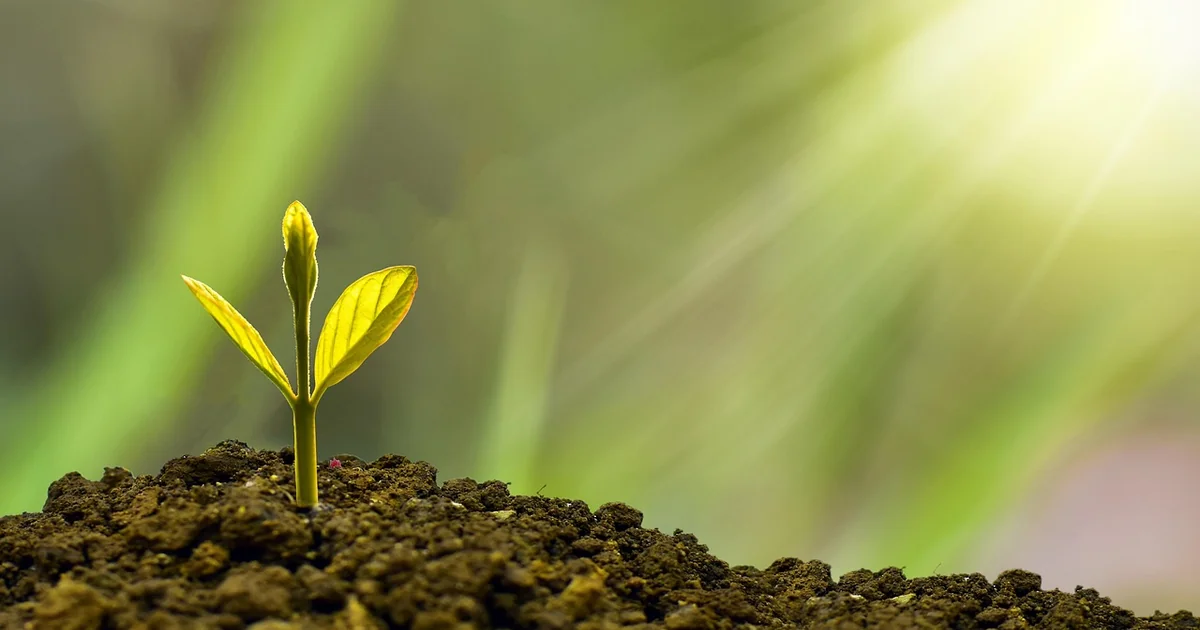
Generally, smaller plants will cost less, so if your budget is limited, buying smaller plants—especially annuals—can be a smart way to go. “Annual flowers, herbs, and vegetables grow very quickly, so buying smaller plants is more economical,” says Leslie Hunter, Horticulture Manager at the Greater Des Moines Botanical Garden. When shopping for container gardens, smaller plants can often be a good choice as well, because they tend to acclimate more quickly to new conditions compared to larger, more established plants. “Because their roots are still developing, smaller plants tend to adjust more easily to new soil and confined spaces,” says Sandra Mao, author of Vibrant Harvest. “This means they can quickly establish a healthy root system that fits well within the pot.” Smaller plants tend to experience less transplant shock than larger plants when replanted into the garden as well. They’re also easier to handle, carry, and plant on your own, especially if you have any mobility issues.
When to Buy Large Plants
Perennials tend to take longer than annuals to establish themselves in your garden, so Hunter suggests you may want to buy a larger perennial plant to give it a head start. Similarly, if you’re purchasing woody shrubs or trees, purchasing a larger plant lets you enjoy their full impact in your landscape sooner. If you need containers with instant impact for an upcoming event, you’ll likely want to choose a larger plant, Mao says. Larger plants also provide privacy more quickly if you are planting them to screen out a neighbor’s yard or an unappealing view. Another thing to keep in mind when determining the best plant size for your needs is the planting time. “One of the most common reasons to choose larger plants is if you’re planting late in the season,” Mao says. “If you’re behind schedule and still want to enjoy flowers and vegetables before the weather changes, larger plants can help you catch up.”
Consider Plant Types and Growth Rates
When deciding whether to buy a small or large plant, also consider each type of plant’s growth rate. Simply put, some plants grow faster than others, so you may want to buy a larger plant if it’s a slow grower and you’re in a hurry.
When Buying Slower-Growing Perennial Herb Plants
For slower-growing perennial herbs, such as rosemary, thyme, or bay laurel, Mao recommends buying these as larger plants, so you’ll be able to harvest sooner. That’s because plants can become root-bound if they are kept in their container too long, which can impact their health even after planting. With faster-growing annual herbs like basil and dill, smaller plants, or even herbs that you start from seed, reach the harvest stage relatively quickly.
Shrubs
Some shrubs are especially good to buy in larger sizes because they will grow more slowly. “Hydrangeas and boxwood often take several years to fill out if started from small plants,” Mao says. Installing larger plants will make a bigger impact in your garden sooner.
For Climbing Plants and Vines
Mao recommends opting for larger sizes when buying climbing plants and vines like jasmine, clematis, or passionflower. “Starting with a larger plant helps them establish faster and begin climbing sooner,” she explains. “This is particularly helpful when you’re trying to cover a trellis, fence, or wall.”
Trees
While trees are generally sold in larger containers than most perennials and annuals, you can get away with buying smaller, less expensive trees if they are fast growers. You’ll still enjoy them as a focal point, and the initial cost is lower.
No matter what size you’re buying, be sure to check the plants over carefully before purchasing them. Inspect the health of the green side and the roots of plants before purchasing them.
Benefits of Smaller Plants
Smaller plants offer several advantages, particularly for gardeners on a budget or those with limited space.
Cost-Effectiveness
The most immediate benefit of choosing smaller plants is their lower price point. This is especially true for annuals, which are often quite inexpensive in smaller containers. This can be a significant factor when you’re planting a large area or experimenting with different varieties. If your budget is limited, buying smaller plants—especially annuals—can be a smart way to go.
Faster Acclimation
Because their roots are still developing, smaller plants tend to acclimate more easily to new conditions compared to larger, more established plants. This is because they haven’t yet developed extensive root systems that are accustomed to a specific environment. They can quickly establish a healthy root system that fits well within the pot.
Reduced Transplant Shock
Smaller plants tend to experience less transplant shock than larger plants when replanted into the garden as well. Transplant shock occurs when a plant’s root system is disturbed, leading to stress and potentially hindering growth. With smaller plants, the disruption to their root system is less severe, resulting in a quicker recovery.
You may also enjoy reading: Secret Ways to Elevate Your Grilled Chicken Flatbread with Arugula and Parmesan.
Ease of Handling
Smaller plants are simply easier to handle, carry, and plant on your own, especially if you have any mobility issues. A smaller container is lighter and more manageable than a large, heavy one. This can make gardening more enjoyable and less physically demanding.
Benefits of Larger Plants
While smaller plants have their merits, larger plants offer distinct advantages that can be particularly beneficial in certain situations.
Instant Impact
Larger plants provide an immediate visual impact in your landscape. They offer a more substantial and established look right from the start, which can be appealing if you want to create a finished garden quickly. This is especially useful for containers or areas where you want to fill space rapidly.
Faster Privacy
If you’re planting to screen out a neighbor’s yard or an unappealing view, larger plants will provide privacy more quickly. Their denser foliage offers more immediate coverage than smaller plants, allowing you to enjoy a more private outdoor space sooner.
Catching Up Late in the Season
One of the most compelling reasons to choose larger plants is if you’re planting late in the season. If you’re behind schedule and still want to enjoy flowers and vegetables before the weather changes, larger plants can help you catch up. They have a head start on growth, giving them a better chance of producing a harvest before temperatures drop.
Established Root Systems
Larger plants come with established root systems, which means they are better equipped to withstand environmental stresses like drought or temperature fluctuations. This can lead to more resilient plants that are less likely to struggle during challenging conditions.
Quicker Climbing
For climbing plants and vines like jasmine, clematis, or passionflower, starting with a larger plant helps them establish faster and begin climbing sooner. This is particularly helpful when you’re trying to cover a trellis, fence, or wall.
Making the Right Choice
Ultimately, the decision of whether to buy a small or large plant depends on your specific needs, budget, and gardening goals. Consider the plant type, its growth rate, your available space, and the desired timeline for results. There is no universally “better” option—each size offers its own set of advantages. Understanding these differences will empower you to make informed choices and create a thriving garden.
Bigger plants investment can offer significant rewards, but smaller plants are often a more economical and easier starting point. Assess your situation, weigh the pros and cons, and choose the plant size that best aligns with your gardening vision.