The Secret to Perfect Brown Butter Cookies: A Family Tradition
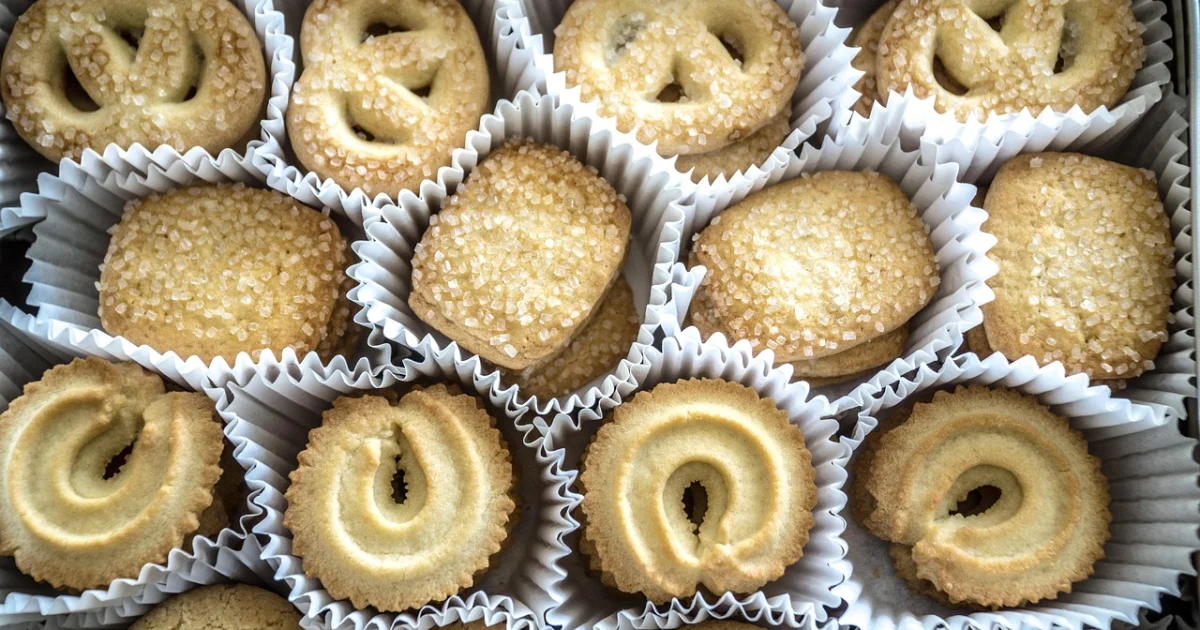
The frustration of stubbornly stuck cookies in metal tins sparked a flood of memories – of my mother’s effortless baking prowess, the scent of butter and sugar that perpetually filled her kitchen, and the slightly chaotic joy of our family’s annual Christmas Baking Day. It’s a tradition I’m determined to keep alive, not just through recipes, but through understanding the techniques that made those Sandkaker – those delightfully buttery, almond-flavored cookies – so consistently perfect. This isn’t just about baking; it’s about connection, remembrance, and unlocking a little piece of my mother’s magic. And, let’s be honest, finally conquering those tricky metal molds!
My mother, a woman of quiet strength and boundless generosity, wasn’t a flashy cook. Her recipes were simple, often handwritten on napkins or the backs of grocery receipts, passed down with a knowing wink and a playful swat for any attempt to sneak a taste of the unbaked dough. She’d say, “Don’t you go touching that!” – a gentle reprimand delivered with a smile. Her kitchen was her sanctuary, a place where flour dusted every surface and the air vibrated with warmth. She’d generously teach me how to double or triple recipes, explaining that there were always enough cookies to go around, and that a little extra wasn’t a bad thing. And, of course, she’d occasionally exclaim, “Oh crumb!” when a cookie stubbornly resisted release from its mold – a sound that, as a child, I found utterly endearing.
Now, years after her passing, I’m embarking on a mission to recreate those memories, starting with a deep dive into her baking secrets. It’s a surprisingly complex endeavor. While the ingredients for Sandkaker – flour, butter, sugar, eggs, almond extract, and a pinch of salt – are straightforward, the how is where the magic lies. I’ve discovered that the seemingly effortless release of those cookies from the metal tins is a result of a technique honed over decades, a subtle dance between heat, patience, and a little bit of “crumb-saying.” And I’m here to share that dance with you.
The Alchemy of Brown Butter: The Key Ingredient
The cornerstone of truly exceptional Sandkaker, and indeed, many other butter-based cookies, is the process of making brown butter – or, as my mother affectionately called it, “nutty butter.” It’s a transformation that elevates ordinary butter to something extraordinary. The Maillard reaction, a chemical reaction between amino acids and reducing sugars, occurs when butter is heated to a high temperature, resulting in the development of complex, nutty, and deeply flavorful compounds. This isn’t simply melting butter; it’s coaxing out its hidden potential.
Traditional methods often involve a quick, high-heat blast, which can scorch the butter and result in a bitter taste. However, my mother’s method was slower, more deliberate. She’d melt the butter in a light-colored saucepan – the color was crucial, allowing her to monitor the process without the butter darkening prematurely. She’d cook it over medium heat, constantly swirling the pan to prevent burning, until the milk solids began to separate and turn a golden brown. This usually took about 8-10 minutes, requiring a watchful eye and a gentle hand. The aroma that filled the kitchen was intoxicating – a heady blend of butter, caramel, and toasted almonds. She’d then immediately pour the browned butter into a cool bowl to stop the cooking process. The finished brown butter has a beautiful, shimmering quality and a distinctly nutty fragrance. Using browned butter drastically changes the flavor profile, adding a depth and complexity that’s simply unmatched in traditional, unbrowned butter cookies.
Interestingly, the exact color of the browned butter can vary slightly depending on the type of butter used. European-style butter, with its higher fat content, tends to brown more readily and develop a richer flavor than American butter. Furthermore, the size of the butter cubes impacts the browning time – smaller cubes brown more quickly than larger ones. Experimentation is key to finding the perfect shade of nutty brown for your own Sandkaker. Don’t be afraid to watch the butter closely and adjust the heat accordingly.
Mastering the Mold Release: Techniques and Tips
Now, let’s address the million-dollar question: how to get those cookies out of the molds without resorting to a miniature demolition derby. It’s a challenge that has baffled bakers for generations, but the solution lies in a combination of techniques that mimic my mother’s approach. Here’s a breakdown of the most effective methods:
- The Initial Chill: Before even thinking about baking, chill the metal molds in the refrigerator for at least 30 minutes – up to an hour. This helps to firm up the dough and reduces the likelihood of it sticking.
- Generous Buttering: This is paramount. Liberally grease the inside of the molds with softened butter – and I mean generously. Don’t skimp! A thin layer of butter won’t cut it. You can also use shortening or cooking spray for added insurance.
- The Parchment Paper Trick: Cut a circle of parchment paper slightly larger than the mold. Place it in the bottom of each mold. This creates an extra barrier between the dough and the metal.
- The Gentle Press: When filling the molds, gently press the dough into the corners and edges. Avoid overfilling, as this can lead to overflowing and sticking. Aim for about 3/4 full.
- The Short Bake: This is crucial. Sandkaker bake quickly – typically for 8-12 minutes at 375°F (190°C). Overbaking is the enemy of a clean release. Watch them carefully, and when the edges are golden brown and the centers are set, it’s time to check for release.
- The Gentle Tap & Lift: After baking, let the cookies cool in the molds for a couple of minutes. Then, gently tap the molds on the counter. If the cookies release easily, you’re golden. If not, try gently lifting the edges with a thin spatula. Avoid using a knife or other sharp utensil, as this can damage the cookies.
- The “Oh Crumb!” Technique (Optional): If a cookie is particularly stubborn, a quick, light tap on the back of the mold can sometimes do the trick. My mother swore by this – she’d say, “A little tap and they’ll let go!”
It’s important to note that the type of metal mold can also affect the release. Older, slightly worn molds tend to release cookies more easily than newer, shinier molds. The surface of the mold may also need to be gently buffed with a fine steel wool to remove any residue that could contribute to sticking. And, realistically, sometimes a cookie will break – that’s part of the charm! Those broken pieces are perfect for topping ice cream, adding a touch of sweetness to coffee, or simply enjoying as a little unexpected treat.
You may also enjoy reading: 13 Simple Sustainable Swaps to Transform Your Closet and Home Today.
The Recipe: Sandkaker (Brown Butter Cookies with White Chocolate & Pecans)
This recipe is a faithful adaptation of my mother’s Sandkaker, incorporating her techniques and a touch of modern refinement. Yields approximately 24 cookies. Prep time: 20 minutes. Bake time: 8-12 minutes.
- Ingredients:
- 1 cup (2 sticks) unsalted butter, browned
- ¾ cup granulated sugar
- 1 large egg
- 1 teaspoon vanilla extract
- 1 ½ cups all-purpose flour
- 1/2 teaspoon baking powder
- 1/4 teaspoon salt
- 1 cup white chocolate chips
- 1/2 cup chopped pecans
Instructions:
- Preheat oven to 375°F (190°C). Grease and flour 12 metal cookie molds (approximately 3-4 inches in diameter). Alternatively, line molds with parchment paper circles.
- In a large bowl, cream together the browned butter and granulated sugar until light and fluffy.
- Beat in the egg and vanilla extract until well combined.
- In a separate bowl, whisk together the flour, baking powder, and salt.
- Gradually add the dry ingredients to the wet ingredients, mixing until just combined. Do not overmix.
- Stir in the white chocolate chips and chopped pecans.
- Drop rounded tablespoons of dough into the prepared molds, filling them about 3/4 full.
- Bake for 8-12 minutes, or until the edges are golden brown and the centers are set.
- Let the cookies cool in the molds for 2-3 minutes before gently tapping them out onto a wire rack to cool completely.
More Than Just Cookies: Preserving a Legacy
For me, baking Sandkaker isn’t just about creating a delicious treat; it’s about honoring my mother’s memory and preserving a cherished family tradition. Each batch is a small act of remembrance, a way to connect with her spirit and share a piece of her legacy with my sisters and nieces. The baking day itself is a joyful gathering, filled with laughter, shared stories, and the comforting aroma of butter and sugar. It’s a reminder that even in the face of loss, we can find ways to keep the love alive – one perfectly imperfect Sandkaker at a time.
I’m planning a baking day with my sisters and nieces on December 18th, and I’m so excited to share this tradition with them. It’s a chance to slow down, reconnect, and create new memories while honoring the past. And, of course, to finally conquer those elusive metal molds! This year’s baking day will be extra special, as I’m determined to pass on all of my mother’s secrets – from the alchemy of brown butter to the gentle tap and lift technique. It’s a legacy worth preserving, one crumb at a time. If you’d like to join in the fun, I’d love to have you!
How did Mom do this? I’ve been asking myself this question for years, and I’m slowly piecing together the puzzle. It’s a combination of careful technique, a deep understanding of ingredients, and a whole lot of love. And, perhaps, a little bit of “oh crumb!”