Unlocking the Secrets to Monstera Plant Happiness: A Comprehensive Care Guide
They’re undeniably striking, with their signature split leaves, and surprisingly, they’re remarkably forgiving when it comes to care. This guide will delve deep into everything you need to know to ensure your Monstera thrives, from choosing the right pot and soil to understanding light requirements and tackling common problems. We’ll move beyond the basics, exploring the nuanced details that will transform your Monstera from a pretty houseplant into a truly magnificent specimen. Let’s get started!
Understanding the Monstera’s Wild Roots: A Native’s Perspective
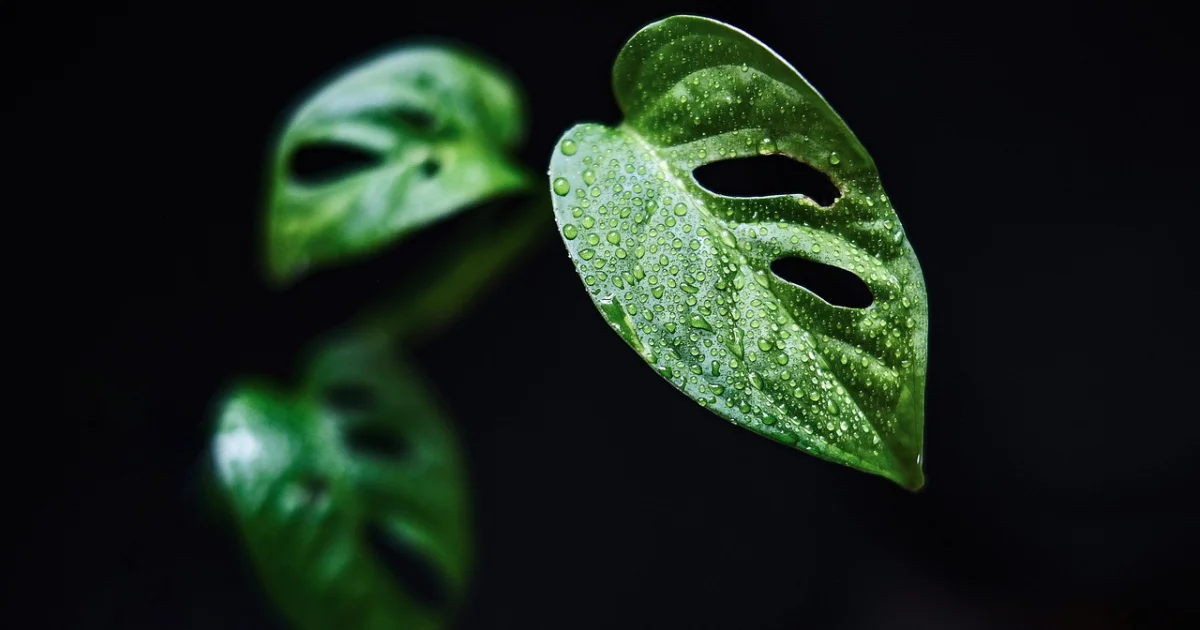
Monstera Deliciosa isn’t just a trendy houseplant; it’s a fascinating piece of botanical history. Native to southern Mexico and Panama, this epiphytic plant – meaning it grows on other plants, often trees – evolved to thrive in the dense, humid rainforests. Its unique leaf holes, initially thought to be a weakness, are actually a brilliant adaptation. As the leaves mature, they develop these holes, allowing sunlight to penetrate deeper into the canopy and reach lower-growing plants. This ingenious design is a testament to its evolutionary journey. Knowing this—that the “splits” are a direct result of its rainforest habitat—is the foundation of successful Monstera care. It’s a reminder that mimicking its natural environment is key. The rainforest provides a consistent level of humidity, filtered light, and a supportive host plant; we need to create these conditions for our indoor Monstera to truly flourish. Consider this: the more you understand where your plant originates, the better equipped you’ll be to cater to its specific needs. A little research into the plant’s natural habitat truly pays dividends.
Light: Finding the Perfect Bright Indirect Spot
When it comes to light, Monstera plants are generally adaptable, but they do have preferences. The ideal scenario is bright, indirect light. This means placing your Monstera near a window that receives plenty of light, but isn’t in direct sunlight. Direct sunlight can scorch the leaves, causing unsightly brown patches. Think of it like this: just as you wouldn’t bake a delicate pastry in the full glare of a summer sun, your Monstera needs a gentler light exposure. A west-facing window is often a good choice, as it provides strong afternoon light, but be sure to filter it with a sheer curtain if necessary. East-facing windows can work well too, offering gentle morning light. North-facing windows typically provide the least amount of light, and while a Monstera can survive in these conditions, it may become leggy – meaning it will stretch out, searching for more light – and its leaves might lose their vibrant green color. I’ve found that my Monstera, Fran, absolutely thrives in a room with large western windows, and she’s noticeably happier and healthier than other plants I’ve kept in similar locations. A good rule of thumb is to observe your plant: if the leaves are turning pale or yellowing, it might be getting too much light. If they’re stretching towards the window, it’s likely not getting enough.
Watering Wisdom: The Dry-Then-Thirsty Approach
Overwatering is the single most common mistake people make when caring for Monstera plants. Unlike many houseplants, Monstera don’t thrive in consistently damp soil. Their epiphytic origins mean they’re accustomed to periods of dryness. The key is to let the top 2-4 inches of soil dry out completely before watering. Stick your finger into the soil to check the moisture level – if it feels even slightly damp, hold off on watering. I’ve adopted a very specific watering schedule for my plants, and it’s been incredibly successful. I water every plant in my house once a week on Saturdays, but I always check the soil moisture first. If the soil is already dry, I give it a thorough watering, allowing excess water to drain out of the bottom of the pot. If the soil is still moist, I skip that watering altogether. It’s a simple system, but it’s incredibly effective at preventing root rot. The frequency of watering will also vary depending on the season – you’ll need to water more frequently during the growing season (spring and summer) and less frequently during the dormant season (fall and winter). Don’t be afraid to adjust your watering schedule based on your plant’s individual needs and your home’s environmental conditions. Remember, it’s always better to underwater than overwater!
Soil and Potting: Creating the Perfect Foundation
The right soil is just as important as the right watering schedule. Monstera need a well-draining potting mix that provides good aeration for their roots. A standard potting mix that’s too heavy or compacted can lead to root rot. I recommend a mix that includes peat moss, perlite, and bark – this combination provides the perfect balance of moisture retention and drainage. As for pots, Monstera prefer pots with drainage holes. Terra cotta pots are a great choice, as they’re porous and allow the soil to dry out more quickly. Avoid plastic pots, as they can retain too much moisture. When repotting your Monstera, choose a pot that’s only one or two inches larger in diameter than the previous pot. Overpotting can lead to excess moisture and root rot. I’ve found that my Monstera really prefers a pot that is about 12 inches in diameter, giving her plenty of room to grow without feeling cramped. Also, don’t be afraid to elevate the pot slightly using pot feet – this will improve drainage and prevent the soil from sitting in water.
Fertilizing for Flourishing: A Gentle Approach
Monstera plants are not heavy feeders, but they do benefit from occasional fertilization, especially during the growing season. I use a balanced liquid fertilizer diluted to half strength, and I fertilize once a month during spring and summer. I also swear by SUPERthrive, a plant growth supplement that I add to my watering routine. It’s a bit pricey, but it seems to really help my plants stay healthy and vigorous. Avoid over-fertilizing, as this can burn the roots. If you notice any signs of fertilizer burn, such as brown leaf tips, reduce the frequency of fertilization or dilute the fertilizer further. It’s always better to under-fertilize than over-fertilize. Remember, a little bit of fertilizer goes a long way!
You may also enjoy reading: 5 Unbeatable Summer Bulbs That Thrive in Neglect and Deliver Show-Stopping Results.
Addressing Common Monstera Problems: Troubleshooting for Success
Even with the best care, Monstera plants can sometimes encounter problems. Let’s address some common issues and how to solve them:
- Yellowing Leaves: This can be a sign of overwatering or underwatering. Check the soil moisture level and adjust your watering schedule accordingly.
- Curling Leaves: Curling leaves can indicate a lack of humidity or insufficient light. Increase humidity by misting the leaves regularly or placing the plant near a humidifier.
- Brown Leaf Tips: Brown leaf tips are often caused by dry air or inconsistent watering. Increase humidity and maintain a consistent watering schedule.
- Blackish Stems: Blackish stems are a sign of root rot, usually caused by overwatering. Repot the plant in fresh, well-draining soil and allow the roots to dry out completely before watering again.
- Lack of New Growth: This can be caused by insufficient light or lack of nutrients. Ensure the plant is receiving adequate light and fertilize regularly during the growing season.
Staking and Support: Guiding Growth and Preventing Collapse
As Monstera plants mature, their large, broad leaves can become heavy and prone to drooping. In fact, I learned the hard way that staking is crucial for Monstera. I once had a smaller Monstera that wasn’t staked, and one day it simply collapsed onto the desk below, scattering soil and leaves everywhere! The native rainforest provides a natural support system – the host tree – so we need to mimic that by providing support for our indoor plants. You can use a moss-covered stake or a simple wooden stake to support the plant’s growth. The goal is to gently guide the stem upwards, preventing it from drooping under the weight of the leaves. I’ve found that a 3-4 foot stake is usually sufficient for most Monstera plants. Don’t be afraid to adjust the stake as the plant grows, ensuring that it’s providing adequate support.
Propagation: Creating New Monstera Babies
Monstera plants are relatively easy to propagate, allowing you to expand your collection or share your love of these stunning plants with friends and family. There are a few different methods you can use:
- Water Propagation: This is a simple and effective method. Cut a healthy stem cutting from your Monstera, ensuring that it has at least one node (the bump on the stem where leaves grow). Place the cutting in a jar of water, ensuring that the node is submerged. Change the water every week or two. Roots should develop within a few weeks.
- Soil Propagation: You can also propagate Monstera stems directly in soil. Plant the cutting in a small pot filled with well-draining potting mix. Keep the soil consistently moist until new roots develop.
- Air Layering: This method involves creating a new root system on a stem without cutting it. Wrap a section of the stem with moist sphagnum moss and secure it with plastic wrap. Once roots have formed, you can cut the stem and plant the rooted section in a new pot.
Conclusion: Embracing the Monstera Journey
Caring for a Monstera plant is a rewarding experience. By understanding their natural habitat, mimicking their rainforest environment, and paying attention to their specific needs, you can create a thriving and beautiful addition to your home. Don’t be discouraged by occasional challenges – every plant owner encounters setbacks. The key is to learn from your mistakes and continue to provide your Monstera with the care it needs to flourish. With a little patience and dedication, you’ll be well on your way to enjoying the majestic beauty of this truly remarkable plant for years to come. And who knows – you might even be inspired to propagate your own Monstera babies and share the joy of these amazing plants with others!