Let’s face it: the promise of a beautiful patio often fades with the first sign of a crack in the concrete. It’s a frustrating cycle of repairs, patching, and ultimately, a growing sense of disappointment. If you’re tired of battling crumbling concrete and dreaming of a lasting, attractive outdoor space, you’re not alone. Fortunately, there’s a surprisingly durable and environmentally conscious alternative gaining significant traction: clay patio pavers. These pavers, with a history stretching back to the Roman Empire, offer a unique blend of timeless style, exceptional longevity, and a significantly reduced environmental footprint compared to traditional concrete. This guide will explore everything you need to know about incorporating clay patio pavers into your next outdoor project, considering factors like cost, aesthetics, installation, and long-term maintenance – helping you determine if this historic material is truly the right choice for your family’s patio.
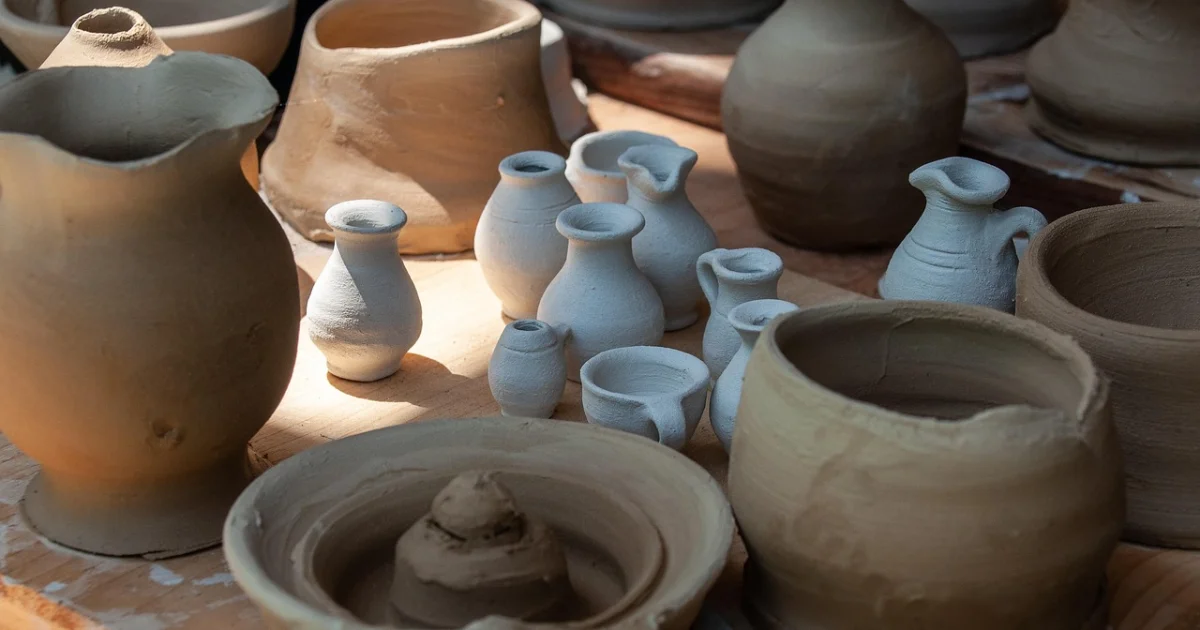
The core issue with concrete patios lies in its inherent vulnerability. While concrete is undeniably strong initially, it’s prone to cracking due to freeze-thaw cycles, ground movement, and simply the natural expansion and contraction of the material as it ages. These cracks not only detract from the aesthetic appeal but also create trip hazards and require ongoing, costly repairs. Concrete pavers themselves, while offering greater resistance to cracking than a poured slab, still share this susceptibility to fading and discoloration over time, especially when exposed to prolonged sunlight. This is where clay pavers distinguish themselves – offering a substantial upgrade in both durability and visual longevity.
The Roman Roots of Resilience: Why Clay Pavers Have Endured
The story of clay pavers is a fascinating one, intertwined with the ingenuity and infrastructure of ancient Rome. For centuries, the Romans utilized clay pavers extensively for roads, sidewalks, and even buildings, recognizing their superior qualities. They understood that clay, when fired at high temperatures, becomes incredibly durable and resistant to weathering. This historical connection to Roman infrastructure provides a sense of legacy and enduring quality – a tangible link to a civilization renowned for its engineering prowess. The Romans didn’t just build roads; they built foundations that lasted millennia, and a key component of their success was the use of these remarkably robust clay pavers.
The key to the Romans’ success with clay pavers wasn’t simply the material itself, but the firing process. The clay was carefully selected and then subjected to intense heat, transforming it into a dense, vitrified material that’s far more resistant to the elements than ordinary concrete. This firing process also imparted a beautiful, natural color variation – a characteristic that remains a defining feature of clay pavers today. The process of firing clay to such high temperatures, a significant energy expenditure in the time of the Romans, is also remarkably energy efficient today. Modern clay paver production utilizes advanced techniques to minimize energy consumption, further enhancing their environmental credentials.
Clay vs. Concrete: A Head-to-Head Comparison – Beyond the Initial Cost
When considering a patio renovation, the initial cost is often the primary factor. Concrete pavers typically represent a more budget-friendly option upfront. However, a comprehensive cost analysis reveals that the long-term value of clay pavers often outweighs the initial investment. While clay pavers are 20- to 25% more expensive than concrete pavers, their extended lifespan – often exceeding 50-100 years with minimal maintenance – significantly reduces the overall cost of ownership. Concrete pavers, on the other hand, frequently require repairs, resurfacing, or complete replacement within 20-30 years, leading to recurring expenses.
Let’s delve deeper into specific cost comparisons. A basic concrete paver patio might cost around $6-$10 per square foot installed, while a clay paver patio can range from $12-$20 per square foot. This difference seems substantial, but when you factor in the reduced need for repairs and the longer lifespan of clay pavers, the price disparity narrows considerably. Furthermore, the aesthetic value of a clay paver patio – its timeless elegance and natural beauty – contributes to the overall value of your home, potentially increasing its market appeal. It’s also important to consider the cost of maintaining a concrete surface – the need for sealants, stain removers, and regular patching adds up over time. Clay pavers, with their naturally low-maintenance surface, minimize these ongoing expenses.
Aesthetic Appeal: The Timeless Charm of Terra Cotta
Beyond durability and cost, the aesthetic qualities of clay pavers are a major draw for homeowners. Clay pavers possess a distinctive warmth and character that concrete simply can’t replicate. The natural variations in color – ranging from deep reds and oranges to muted browns and tans – create a visually appealing and organic surface. The rectangular shape of many clay pavers lends itself to a variety of attractive patterns, from classic herringbone and basketweave to more contemporary designs. The color palette of clay pavers tends to complement a wide range of architectural styles, adding a touch of rustic charm to any outdoor space.
Concrete pavers, while available in a broader spectrum of colors, often rely on artificial pigments that can fade or chip over time. The color of concrete pavers is essentially a thin layer on the surface of the molded paver. As a concrete paver ages, that layer can erode away, exposing the underlying material and changing the color. Clay pavers, on the other hand, retain their color naturally, offering a more enduring and consistent aesthetic. Consider a reader planning a patio renovation for the first time – the visual appeal of clay pavers can be a powerful motivator, setting them on a path towards a truly beautiful outdoor space.
Addressing Climate Concerns: Clay Pavers in Harsh Environments
For homeowners in regions with extreme climates – particularly those prone to freeze-thaw cycles – the durability of clay pavers becomes even more critical. Freeze-thaw cycles, where water expands as it freezes within the concrete, cause significant damage to concrete patios, leading to cracking and spalling. Clay pavers, with their denser composition and higher resistance to water penetration, are significantly more resilient to these harsh conditions. The vitrified nature of the fired clay inhibits water absorption, reducing the risk of freeze-thaw damage. Historically, clay pavers were used extensively in areas with challenging climates, a testament to their ability to withstand the elements.
However, it’s essential to consider the specific type of clay used in paver production. Some clay varieties are more susceptible to freeze-thaw damage than others. Look for clay pavers specifically engineered for cold climates, often incorporating additives that enhance their freeze-thaw resistance. Furthermore, proper installation is crucial. Ensure adequate drainage around the patio to prevent water from accumulating and contributing to freeze-thaw damage. A well-drained patio will contribute greatly to the longevity of the pavers, regardless of the material.
Installation Considerations: A Slight Shift from Concrete
While the basic principles of patio installation are similar for both concrete and clay pavers, there are some key differences to be aware of. Concrete patios are typically poured in place, requiring extensive site preparation and curing time. Clay pavers, on the other hand, are manufactured and shipped as complete units, simplifying the installation process. The installation process for clay pavers generally involves laying the pavers on a compacted base of gravel and sand, similar to concrete. However, clay pavers are more sensitive to movement than concrete, so a stable and level base is essential.
Because of this sensitivity, it’s crucial to use a properly compacted base. The base should be graded to ensure proper drainage and prevent water from pooling beneath the pavers. The pavers should also be laid with a slight expansion joint to allow for thermal expansion and contraction. Working with a professional installer experienced in clay paver installation is highly recommended to ensure a long-lasting and aesthetically pleasing patio. For someone who is on a tight budget and needs the most affordable patio solution, it is worth considering the time and labor involved in a concrete slab versus the cost of clay pavers and professional installation.
You may also enjoy reading: 7 Ways a Lawyer Can Help You Landscape Your HOA Property Without Fines.
Considering the Environmental Impact: A Sustainable Choice
As consumers become increasingly aware of the environmental impact of their choices, the sustainability of clay pavers is a significant advantage. Concrete production is a highly energy-intensive process, contributing to greenhouse gas emissions. The manufacturing of clay pavers, while requiring energy for firing, is generally more sustainable than concrete production. Clay is a natural material that can be sourced locally, reducing transportation emissions. Additionally, clay pavers are durable and long-lasting, minimizing the need for replacements and reducing waste. The demand for more eco-friendly materials is a growing concern for many homeowners, and clay pavers offer a viable and beautiful solution.
The higher initial cost of clay pavers might be offset by reduced long-term maintenance and the increased value it adds to your home. Consider the environmental impact of paver production – it’s a growing concern for many homeowners. The production of concrete pavers requires significant amounts of cement, a key contributor to carbon dioxide emissions. Clay pavers, on the other hand, are made from natural materials and have a lower carbon footprint. Choosing clay pavers is a way to invest in a more sustainable outdoor space, aligning your patio with your environmental values.
Slope Challenges: Leveling the Playing Field
For homeowners facing a significant slope in their yard when planning a patio, clay pavers can offer a more forgiving solution than concrete. Concrete patios require careful leveling to ensure a smooth and even surface. Slopes can make this process challenging, requiring extensive excavation and grading. Clay pavers, with their natural variations in color and texture, can help to disguise minor imperfections in the ground. The slight variations in the pavers’ surface can create a more visually appealing and natural-looking patio, even on a sloped site.
Furthermore, clay pavers can be installed with a slight slope to facilitate drainage, preventing water from pooling and causing damage. A professional installer can advise on the best approach for leveling a sloped site and ensuring proper drainage. Consider a reader who wants a patio that will last for decades with minimal upkeep – a clay paver patio can be an excellent choice, even on a challenging slope.
Planning for Heavy Foot Traffic and Outdoor Furniture
When designing a patio, it’s essential to consider the intended use of the space. A patio that will be used for heavy foot traffic, such as a family gathering area or a space for entertaining, requires a durable paver that can withstand constant wear and tear. Clay pavers are remarkably durable and can handle heavy foot traffic with ease. Their dense composition and resistance to cracking make them an ideal choice for high-traffic areas.
Similarly, clay pavers can withstand the weight of outdoor furniture without cracking or chipping. However, it’s important to distribute the weight of heavy furniture evenly to avoid concentrating stress on a single area. Consider a reader who wants a patio that can handle heavy foot traffic and outdoor furniture – clay pavers are a practical and stylish solution.
Conclusion: A Lasting Legacy for Your Outdoor Space
Choosing a patio paver is a significant investment, impacting not only the aesthetics of your outdoor space but also its durability, longevity, and environmental impact. While concrete offers an initial cost advantage, the long-term benefits of clay patio pavers – their exceptional durability, timeless beauty, and sustainable qualities – often make them the superior choice. From the historical connection to Roman infrastructure to their resistance to harsh climates and heavy use, clay pavers represent a legacy of enduring quality. If you’re tired of cracked concrete and seeking a patio that will last for decades to come, exploring the world of clay patio pavers is well worth your time. A clay paver patio just might be your best option.