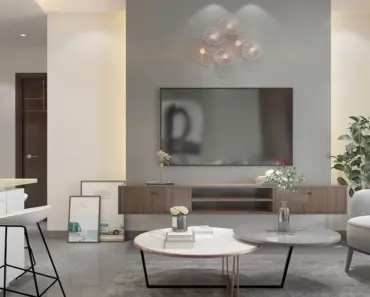
Why the Traditional Coffee Table Might Be on Its Way Out
For decades, the coffee table has reigned as a central fixture in the living room. Yet, a subtle shift is occurring in interior design, with many homeowners and designers questioning the necessity of this once-ubiquitous piece. A growing number of stylish and functional coffee table alternatives are gaining traction, reflecting evolving lifestyles and a renewed focus on space optimization and versatility. This isn’t a fleeting trend; it’s a reflection of how we actually use our living rooms and the desire for furniture that adapts to our needs.

The Shifting Priorities of Living Room Design
The way we approach living room design is undergoing a transformation. Robert and Sharon Reed of Walnut & Ash Interiors, for example, don’t immediately begin searching for coffee tables. Instead, they first assess whether a coffee table truly aligns with the room’s purpose and layout. “In many spaces, a traditional coffee table may not be the best option,” Sharon explains. They consider room size and intended use, prioritizing furniture that facilitates comfortable movement and avoids obstructing traffic flow. A small living room, in particular, can greatly benefit from pieces that offer added storage or seating.
The Importance of Surface Space: It’s More Than Just a Place for Drinks
While the traditional coffee table is being reconsidered, the fundamental need for accessible surface space in a living room remains paramount. Whether you’re settling in for a relaxing evening or hosting guests, having a convenient spot for drinks, books, remotes, and decorative items is essential. Jennie Rebecca Springer concurs, stating that while coffee tables aren’t always essential, “you absolutely need adequate tables and surface space to support both everyday living and effortless hosting.” This need for functionality is driving the adoption of innovative alternatives.
Trunks: Storage and Style in One
One compelling coffee table alternative is the trunk. More than just a decorative element, a trunk offers a dual purpose: providing a surface and ample storage. “In a small space such as an apartment or condo, storage space can be minimal,” Robert notes. “In this case, the use of a trunk is a great option.” Trunks are ideal for stowing away pillows, blankets, board games, and seasonal decorations. The top surface can remain clear for everyday use, ensuring easy access to frequently used items.
Benefits of a Trunk
- Storage Capacity: Trunks provide significant storage, helping to declutter the living room.
- Versatility: They can serve as a coffee table, an ottoman, or even a side table.
- Style: Trunks come in various styles, from rustic to modern, complementing diverse decor aesthetics.
- Space-Saving: They consolidate storage and surface space into one functional piece.
Ottomans: Cozy Comfort and Flexible Functionality
For more casual living spaces, an oversized ottoman can be a delightful replacement for a coffee table. Designer Claire Thompson is a strong advocate for this option. “many love an ottoman in place of a coffee table,” she says, “especially in more loungey living rooms.” Ottomans create an inviting and cozy atmosphere. Thompson often styles them with a tray to provide a stable surface for drinks and snacks, and she strategically places smaller side tables nearby for added convenience.
Why Ottomans Work
- Comfort: Ottomans offer a comfortable place to rest your feet.
- Flexibility: They can be easily moved around to accommodate different seating arrangements.
- Style: Ottomans come in a wide array of fabrics and designs, readily integrating with different interior styles.
- Casual Appeal: They contribute to a relaxed and inviting ambiance.
Nesting Tables: Adaptable for Hosting and Everyday Life
Counterintuitive as it may seem, multiple smaller tables can be more practical than a single coffee table, especially in smaller living rooms. According to Jennie Rebecca Springer, nesting tables are a smart solution. They can function as a coffee table when you’re entertaining guests, and then be conveniently tucked away when you need more floor space for everyday use. “Nesting tables can serve the same purpose as a coffee table when you’re hosting, and you can conveniently move them off to the side for your day-to-day living arrangement,” she explains.
The Advantages of Nesting Tables
- Space Optimization: They can be easily stored when not in use, freeing up valuable space.
- Adaptability: They can be arranged in various configurations to fit different needs.
- Flexibility: They provide multiple surfaces for drinks, snacks, and decor.
- Visual Interest: They can add visual interest and dimension to a living room.
End Tables: Convenient Surfaces for Drinks and Decor
While not a direct replacement for a coffee table, strategically placed end tables are crucial for providing convenient surfaces within a living room. Positioned on either side of a sofa, they offer a spot for drinks, lamps, books, and decorative accents. These smaller tables complement a coffee table alternative by expanding the available surface area and enhancing functionality. They allow for easy access to items without requiring guests to reach across a central surface.
You may also enjoy reading: 9 Summer Decor Trends: Design Experts Agree!.
The Role of End Tables
- Accessibility: End tables place items within easy reach of those seated on the sofa.
- Versatility: They can accommodate a variety of items, from lamps to books to decorative objects.
- Balance: They help to create a balanced and symmetrical look in the living room.
- Functionality: They provide additional surface space without dominating the room.
Considering Your Living Room Layout
The best coffee table alternative for your living room depends heavily on the room’s layout, size, and your personal style. A large, open-concept living room might still benefit from a substantial coffee table, while a smaller space will likely benefit from a more space-conscious option like nesting tables or a trunk. Think about how you use your living room and what items you need readily accessible. Are you a frequent entertainer? Consider nesting tables or a trunk with ample storage. Do you prioritize comfort and casual living? An oversized ottoman might be the perfect choice.
What if I Have a Large Living Room – Is a Coffee Table Still Necessary?
Even in larger living rooms, a traditional coffee table isn’t always the most effective design choice. Robert points out that in expansive spaces, a coffee table can feel disproportionate and create a visual barrier. In these cases, multiple smaller tables or a large, sculptural ottoman might be more suitable. The key is to ensure adequate surface space without overwhelming the room’s overall aesthetic. The focus shifts from a single, central piece to a more distributed approach to surface functionality.
How Do I Choose an Alternative to a Coffee Table That Complements My Existing Decor?
When selecting a coffee table alternative, consider your existing decor style. A rustic living room might pair beautifully with a reclaimed wood trunk, while a modern space could benefit from sleek nesting tables. Color, material, and shape are all important factors to consider. Ensure the alternative complements the furniture and finishes already present in the room. Don’t be afraid to experiment with different materials and textures to achieve the desired look.
Why Is Having Adequate Surface Space So Important in a Living Room?
Adequate surface space is essential for functionality and comfort in a living room. It provides a convenient spot for drinks, snacks, books, and decorative items, enhancing the overall living experience. Without sufficient surface space, the living room can feel cluttered and disorganized. It also impacts the flow of the room, making it difficult to move around comfortably. Prioritizing surface space ensures that your living room remains a welcoming and functional space for relaxation and socializing.
Ultimately, the trend away from the traditional coffee table is about embracing adaptability and functionality in living room design. By exploring a range of coffee table alternatives, homeowners can create spaces that are both stylish and practical, perfectly suited to their lifestyles and needs. It’s less about adhering to tradition and more about curating a living room that truly works for you.