Televisions have a way of dominating a room. Their dark screens and tangled cords often clash with carefully chosen decor. The secret to a harmonious living space lies in deliberate decorating around tv placement. By treating the television as one design element among many, you can create a room that feels both functional and curated. Here are eleven distinct approaches to achieve this balance.

Amazon US Verified
Ceramic Fluted Decorative Vase Set
Modern minimalist ceramic vases perfect for shelves, consoles, and dried florals.

The Classic Fireplace Arrangement
Mounting Above the Mantel
A fireplace naturally anchors a room. Mounting a TV above the mantel creates a powerful focal point that combines warmth with entertainment. Before installing, measure the mantel’s surface temperature with the fire burning. Most manufacturers recommend keeping electronics below 104 degrees Fahrenheit. Tuck wires inside the wall for a clean finish. Add a narrow mantel shelf to display small objects like ceramic vases or seashells. For extra color, install built-in shelves on either side painted in a cheerful mustard yellow.
This setup works best when the fireplace is not used for extended periods or when the heat rises straight up without touching the wall. A deep mantel can also help deflect heat away from the screen. If you have a gas fireplace with a blower, the heat distribution changes, so extra caution is wise.
Decorating Around a Large Screen TV
Making a Statement with Scale
Large televisions are impossible to ignore, so why not let them lead the design? A 75-inch screen weighing around 80 pounds needs secure mounting directly into wall studs. Wall mounting frees up floor space and gives the room a streamlined, modern feel. Run cords through the wall or use paintable cord covers to maintain a tidy appearance. Anchor the setup with a long, low console that grounds the wall without competing for attention.
When decorating around a tv of this size, consider the viewing distance. A good rule of thumb is to sit about 1.5 times the screen’s diagonal measurement away. This prevents eye strain and allows the room to feel balanced rather than overwhelmed by the display.
The Custom Built In Surround
Floor to Ceiling Shelving
Floor-to-ceiling built-ins transform a TV wall into a striking media center. This setup offers ample storage for books, family photos, and plants, softening the technology’s hard edges. Use cabinets and drawers to stash cables, remotes, and gaming consoles out of sight. Real estate surveys suggest that custom built-ins can boost a home’s perceived value by up to 10 percent, making this a smart investment for both style and resale.
You can paint the built-ins in a contrasting color to make the TV recede. A deep navy or sage green background helps the screen blend in when it is turned off. Open shelving allows you to rotate decor seasonally, keeping the wall fresh and engaging.
Framing with Freestanding Furniture
Flexible Alternatives to Built Ins
Renters or those who prefer flexibility can achieve a similar look with freestanding pieces. Place two gold or brass shelving units on either side of the TV. Fill them with books and decorative accessories. A yellow-accented credenza beneath the screen provides stylish storage for electronics. This approach allows you to rearrange or take the setup with you when you move.
The key to making freestanding furniture look intentional is symmetry. Matching units on each side create a frame that draws the eye comfortably across the wall. You can also mix heights by placing a tall plant on one side and a floor lamp on the other for a more relaxed feel.
Decorating Around a TV with a Dark Accent Wall
The Blending Illusion
A blank television screen resembles a large black rectangle. Painting the wall behind it a deep charcoal, navy, or forest green helps the screen blend into the background. A matte paint finish is essential here. It reduces glare and prevents reflections, unlike satin or semi-gloss sheens. This simple trick makes the TV feel like a natural part of the wall rather than an add-on.
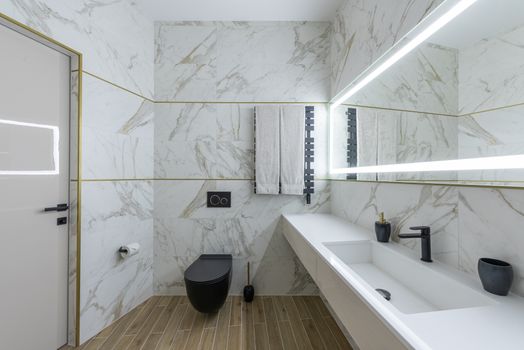
Amazon US Verified
Peel and Stick Textured Linen Wallpaper
Removable neutral wall covering providing architectural warmth and tactile depth.
When decorating around tv with this method, extend the dark color to the surrounding trim or adjacent walls for a cohesive look. The dark backdrop also makes artwork and decorative objects pop, drawing attention away from the screen when it is not in use.
Off Center and Swivel Mounts
Prioritizing Furniture Layout
Not every room requires a centered television. If your living room prioritizes conversation, mount the TV off to the side. A full-motion swivel mount allows you to adjust the screen angle when you do want to watch. This setup lets the furniture arrangement dictate the layout, not the other way around.
Off-center placement works particularly well in open-concept spaces where the TV shares the room with a dining area or home office. The screen becomes a secondary feature rather than the main event. Just ensure the swivel mount is rated for your TV’s weight and size to maintain safety.
The Gallery Wall Camouflage
Hiding in Plain Sight
A small television can disappear into a well-planned gallery wall. Choose artwork with simple black frames that echo the TV’s bezel. Position the TV so it sits slightly lower than the largest art piece. The eye naturally travels to the art first, making the screen feel like just another framed element in the collection.

Amazon US Verified
Hang-O-Matic All-in-One Picture Hanging Tool
Tape measure, sliding level, and markers in one tool for flawless gallery walls.
Keep the TV size smaller than the largest piece of wall art in your gallery. This ensures the art dominates the visual field. Use a mix of frame styles and mat colors to create variety, but keep the overall palette cohesive so the TV does not stand out as an odd element.
You may also enjoy reading: 11 Black Bedroom Ideas for a Sophisticated Retreat.
Surrounding the Screen with Art
An Eclectic Curated Wall
For a more eclectic look, arrange framed prints of varying sizes casually around the TV. Mix frame materials like wood, metal, and acrylic to add texture. Treat the television as just another piece in the arrangement. This approach works best when the TV is mounted and the art leans against the wall or hangs at slightly different levels.
You can also use decorative objects like small sculptures or woven wall hangings to break up the straight lines of the TV. The goal is to create a layered, collected-over-time feel that makes the technology feel incidental rather than central.
Fireplace Safety and Symmetrical Design
Essential Checks Before Installation
If you choose to mount a TV over a fireplace, verify with the manufacturer that the unit can tolerate the ambient heat. Measure the wall temperature with the fire burning to ensure it stays below the recommended threshold. Add wall sconces on either side of the TV to create a balanced, symmetrical look. The sconces draw the eye outward, making the TV feel like part of a larger composition.
Use LED bulbs in your sconces to avoid adding extra heat near the electronics. Position the sconces at least six inches away from the TV to allow for proper air circulation. This combination of safety checks and design balance ensures a setup that is both beautiful and functional.
Letting the TV Take a Backseat
Designing a Multi Purpose Room
In a multi-purpose family room, the TV does not have to be the star. Position it on a side wall rather than the main wall. Use area rugs to define separate zones. A seating area for conversation can coexist with a cozy nook for viewing. A swivel mount here is especially useful, allowing the screen to face different zones as needed.
This approach works well in homes where the family gathers for various activities. The TV becomes an option rather than a default focus. Bookshelves, board games, and craft supplies can take center stage, making the room feel more like a living space and less like a home theater.
Concealed Storage and Component Management
Taming the Tech Clutter
Visible cords and stacked components ruin even the most thoughtful design. Use a cable management box to hide power strips and excess wiring. Store streaming devices, DVD players, and game consoles in a cabinet or drawer. Use stylish baskets to hold remotes, games, and movies. A clean, clutter-free setup makes the entire room feel more intentional.
When decorating around tv components, consider the airflow needs of your electronics. Leave ventilation gaps in cabinets or use cabinets with louvered doors. This keeps your devices cool while maintaining a sleek, uncluttered appearance.
Integrating a television into your home’s decor does not require sacrificing style. Each of these eleven approaches offers a different way to balance technology with design. Whether you choose to hide the screen or make it a focal point, the key is intentionality. Your room should reflect your habits and your taste, with the TV playing its part without stealing the show.
As an Amazon Associate, azuloz.com earns from qualifying purchases.