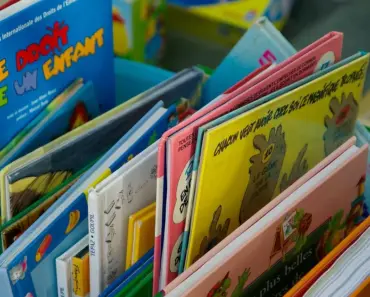
Let’s face it: bookshelves are beautiful, but they can also feel… predictable. We’ve all seen the meticulously arranged rows of spines, the carefully curated collection. But what if you’re looking to inject a little more personality and visual interest into your home, and you already have a stack of books gathering dust? The truth is, books are incredibly versatile decorative elements – they’re not just for holding stories; they’re for showing them. From surprising planters to textured wall coverings, this guide will reveal how to transform books into stylish home accents, adding color, texture, and a touch of intellectual charm to any room. Let’s move beyond simply displaying books and explore some truly creative ways to incorporate them into your décor.
Decorating with books doesn’t have to be complicated or expensive. In fact, it’s one of the easiest and most impactful ways to refresh a room. The beauty of this technique lies in its adaptability – you can tailor your approach to match your existing style and budget. The key is to think outside the traditional bookshelf and consider books as building blocks for larger decorative arrangements. Let’s start with the basics – stacking. It’s a simple concept, but it yields impressive results. Consider the height and color variations when stacking. A collection of brightly colored cookbooks on a kitchen counter, for example, instantly adds a pop of vibrancy. Or, use books as risers for decorative objects – a small vase, a cluster of candles, or even a collection of vintage trinkets will look dramatically elevated when placed on a stack of books. This is particularly effective on open shelves, where you can create a rainbow effect by layering books of different colors. Don’t be afraid to experiment with the arrangement – asymmetry can be just as visually appealing as perfect symmetry. A carefully placed stack of three books, topped with a sculptural object, can be more impactful than a perfectly aligned row of ten.
Stacking Books as Risers for Decorative Accessories
As mentioned above, books act as fantastic risers. But it’s more than just a simple stacking technique. The height and color of the books you choose significantly impact the overall look. For instance, using a few colorful cookbooks on a kitchen counter to elevate a DIY vase creates a vibrant focal point. Similarly, on open shelves, layering books in varying colors – reds, pinks, blues – atop a collection of kitchenware creates a visually stunning cascade. This technique isn’t limited to the kitchen; it works beautifully in living rooms, bedrooms, and even hallways. The key is to consider the scale of the objects you’re elevating and choose books that complement the color palette of the room. A stack of sturdy, leather-bound books can add a touch of luxury to a coffee table, while a collection of brightly colored children’s books can inject a playful energy into a child’s room. Think about the texture of the books too – a stack of glossy art books can provide a sleek, modern look, while a stack of worn, vintage books can add a touch of rustic charm.
Cover a Stack of Books With Paint or Paper
This is a fantastic way to personalize your décor and create a truly unique look. Covering a stack of books with paint or patterned paper is a relatively quick and easy DIY project that can transform an ordinary collection into a statement piece. Start by choosing a color palette that complements your existing décor. A simple, monochromatic approach can create a sophisticated look, while a bold, patterned paper can add a playful touch. For a more polished look, use matte Mod Podge to adhere the paper to the books and seal it with a few coats of sealant. This will protect the paper from damage and create a smooth, even surface. You can also experiment with different techniques, such as layering different papers or adding stencils for a more intricate design. During the fall, consider covering books with burlap to introduce a rustic texture. This is a clever way to add warmth and visual interest to a room. The possibilities are truly endless – let your creativity run wild!
Use Book Pages in Unexpected Ways
Beyond simply using whole books, the pages themselves offer a wealth of creative possibilities. Don’t underestimate the potential of those beautiful, aged pages – they’re not just for reading; they’re for crafting! Let’s delve into some of the most surprising and delightful ways to incorporate book pages into your home décor.
1. Use Book Pages as Wallpaper
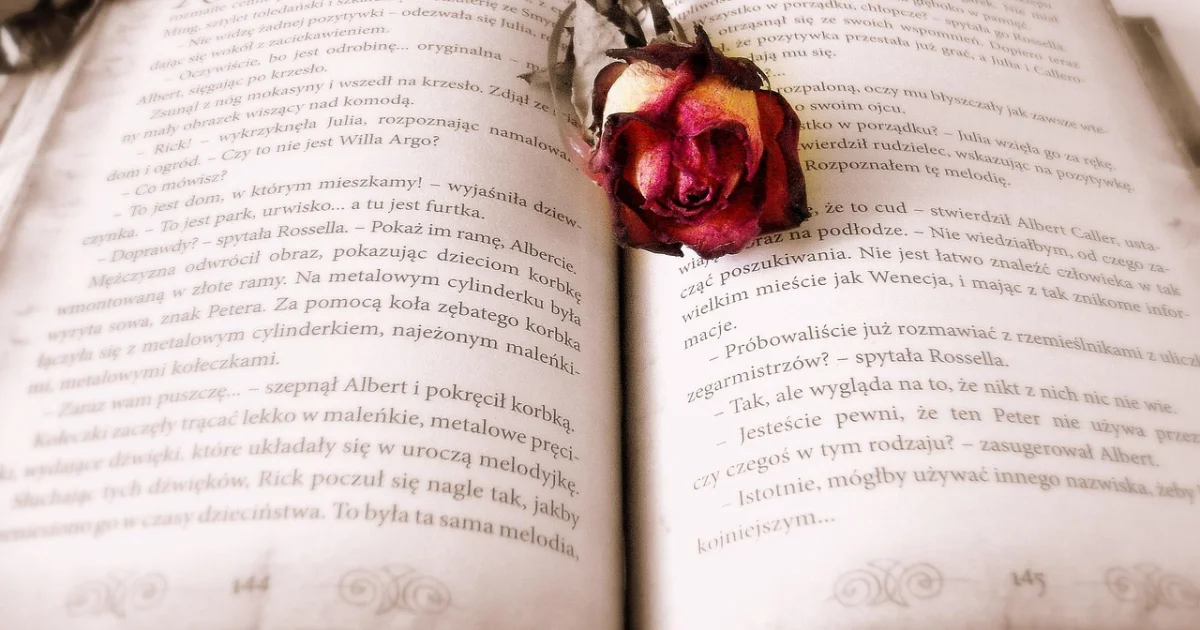
This technique is particularly effective for adding a vintage or eclectic touch to a cabinet or hutch. The slightly overlapping pages create a unique and textured surface that’s far more interesting than traditional wallpaper. To achieve a professional-looking result, use matte Mod Podge and a paint brush to apply the pages to the surface, ensuring that they are evenly spaced and securely adhered. For a truly authentic look, choose books with interesting fonts and typefaces – vintage books with ornate lettering are particularly well-suited for this project. The key is to embrace the imperfections – the slight variations in color and texture will add to the charm of the finished product. Don’t worry about making it perfect; the slightly unevenness will add character.
2. Make a Leaf Garland or Banner
Creating a festive garland or banner using book pages is a fantastic way to add a touch of whimsy to your holiday décor. Simply cut out leaf shapes from the pages of books (using a template or freehand) and string them together using twine or ribbon. Sheet music pages are also a great option for creating a musical-themed garland. This project is surprisingly easy and adds a unique, handcrafted touch to any space. Consider using a free printable leaf template to ensure consistent shapes and sizes. The depth of the cut will determine how much of the page is used, and you can vary the sizes of the leaves for a more organic look. This is a wonderful project to do with children, making it a fun and engaging activity for the whole family.
You may also enjoy reading: Creative Decorating Ideas With Books.
3. Create a Crafty Cache Pot or Planter
Transform an ugly vase into a stylish focal point by covering it with book pages. This is a simple yet effective way to add a touch of personality to your décor. Remove the cover from two similar-sized books – especially antique books where the cover page is more interesting than the cover itself – and use them to create a unique planter. Place the books on a table and arrange a candle or a small decorative item on top. This creates a visually appealing vignette that’s sure to spark conversation. You can also experiment with different types of books – a stack of art books can add a sophisticated touch, while a stack of children’s books can inject a playful element. The key is to choose books that complement the style of your room.
4. Decorate Book Covers for a Unique Display
Don’t just stack books; display them! Covering the covers with paint, fabric, or decorative paper can transform a mundane bookshelf into a stunning work of art. Think about the color scheme of your room and choose materials that complement the existing décor. A simple, monochromatic approach can create a sophisticated look, while a bold, patterned paper can add a playful touch. You can also use stencils to add intricate designs or lettering. This is a great way to personalize your bookshelf and showcase your unique style. Consider using a mix of textures – smooth paint, textured fabric, and glossy paper can create a visually dynamic display. Adding a few small decorative objects between the books can also enhance the overall look.
5. Book Page Table Runner
For a rustic or vintage-inspired table setting, consider crafting a table runner using book pages. Carefully cut out strips of pages from your chosen books, and glue them together to create a long, rectangular runner. This adds a unique texture and subtle pattern to your table, complementing any meal or gathering. Use a light-colored glue for a seamless finish, and consider layering different book pages to create a more complex design. This is a particularly charming option for fall or autumn-themed events.
Stacking Books Strategically for Visual Impact
Beyond simply stacking books, the way you stack them is crucial to achieving the desired visual impact. Think of it like building a miniature sculpture. Experiment with different heights, widths, and angles. A tall, slender stack can draw the eye upwards, while a wider, more compact stack can create a sense of stability. Consider using a combination of different sizes and shapes of books to add visual interest. Don’t be afraid to create asymmetry – a stack of three books, topped with a sculptural object, can be more impactful than a perfectly aligned row of ten. For a more formal look, arrange books in a neat, symmetrical pattern. For a more casual look, allow the stack to appear slightly haphazard. The key is to find a balance that works for your space and your style. Adding a small plant, a piece of art, or a decorative object to the top of the stack can also elevate the overall look. Remember, books are not just functional objects; they’re also beautiful objects.
Decorating With Books: A Timeless Trend
Decorating with books is a timeless trend that’s been embraced by interior designers and homeowners alike. It’s a relatively inexpensive way to add personality, sophistication, and a touch of intellectual charm to any room. Whether you’re stacking books as risers for decorative objects, covering them with paint or paper, or simply displaying them on a bookshelf, there are endless possibilities for creative expression. Don’t be afraid to experiment and find what works best for your space and your style. Books are more than just words on a page; they’re a symbol of knowledge, creativity, and beauty. By incorporating them into your décor, you’re not just adding decorative elements – you’re adding a little bit of yourself. And that’s what truly matters.