A previously unpublished letter, written just months after her fairy-tale wedding, offers a surprising glimpse into Princess Diana‘s early married life. Scrawled on royal crested paper from Balmoral Castle in 1981, the note to schoolfriend Katherine Hanbury revealed a little-known grievance: Diana hated London. While she shared that she adored being outside all day and enjoyed “endless sun” and “calm seas” on a cruise aboard the Royal Yacht Britannia, her feelings about her new London home were starkly different. This rare personal correspondence, unearthed after many years, sheds light on the princess’s early struggles with royal life and her candid dislike for the capital. The letter also includes a telling line about her marriage: “It’s wonderful being married – I think it’s safe to say that after two months…!” This article explores the contents, context, and implications of this recently discovered note, offering a fresh perspective on the young princess’s state of mind.
The Balmoral Letter: What Diana Actually Wrote
Just two months into her marriage to Prince Charles, Princess Diana found herself at Balmoral Castle, the royal family’s Scottish retreat. From this secluded setting, she penned a letter to her schoolfriend Katherine Hanbury. The note, written on royal crested paper, offers a rare and honest glimpse into the young princess’s early married life.

A Glimpse of Honeymoon Bliss
In the letter, Diana painted a picture of happiness from her honeymoon. She described a cruise on the Royal Yacht Britannia, enjoying “endless sun” and “calm seas.” She also wrote about her love for spending all day outdoors at Balmoral, reveling in the fresh air and natural surroundings. This part of the letter suggests she was embracing the quieter, more private moments of royal life.
The Confession About London
However, the letter also contained a striking personal confession. Diana clearly expressed her dislike for the capital city. Specifically, she wrote that she adored being outside all day and hated London. For someone newly thrust into the spotlight, this resentment toward London may have stemmed from the constant pressures, public appearances, and lack of privacy associated with city life. It is a sentiment that resonates with many who find the pace of a bustling city overwhelming.
The letter concluded on a positive note about her marriage. Diana wrote: “It’s wonderful being married – I think it’s safe to say that after two months…!” This shows that despite her aversion to London, her early feelings toward her new husband were still warm and optimistic. This letter, focused on her simple joys and her confession that Diana hated London, provides a humanizing look at a woman who was both a global icon and a young person adjusting to an extraordinary new life.
Why Did Diana Hate London? Clues From Her Life
The letter doesn’t detail her reasons, but Diana’s background and later actions offer strong clues about her aversion to the capital. To understand her dislike, you need to look at where she came from and what she valued most.
A Country Girl in the City
Diana’s rural upbringing was a key part of her identity. She grew up in the rolling countryside of Norfolk, surrounded by open fields, woodland, and a slower pace of life. Her love of the countryside was deep-rooted and genuine. She often escaped to country estates for peace, bringing her sons for outdoor activities like walking, fishing, and riding ponies. This free-spirited, nature-filled childhood stood in stark contrast to the constant noise, traffic, and scrutiny of London. For someone who found solace in nature, the capital likely felt overwhelming and claustrophobic. Her Diana dislike of city life made sense when you recognize her need for wide-open spaces and quiet retreats.
Creating a Private Sanctuary at Kensington Palace
After her wedding, Diana and Charles moved into Apartments 8 and 9 at Kensington Palace. While this was a prestigious address, it was also a royal residence in the heart of London. Yet Diana worked hard to carve out her own haven within it. She transformed the third storey into a nursery for her sons William and Harry. This was no cold, formal space; she filled it with bright colors, toys, and a sense of warmth. She tried to create a country-like haven inside the palace walls, complete with a climbing frame and slides for her boys. Even after her 1992 separation from Charles, she chose to keep Diana and London connected by maintaining Kensington Palace as her base. Despite hating London, it remained her anchor for her sons. This tension between her sense of duty and her longing for rural life reveals a woman constantly trying to balance her public role with her private happiness.
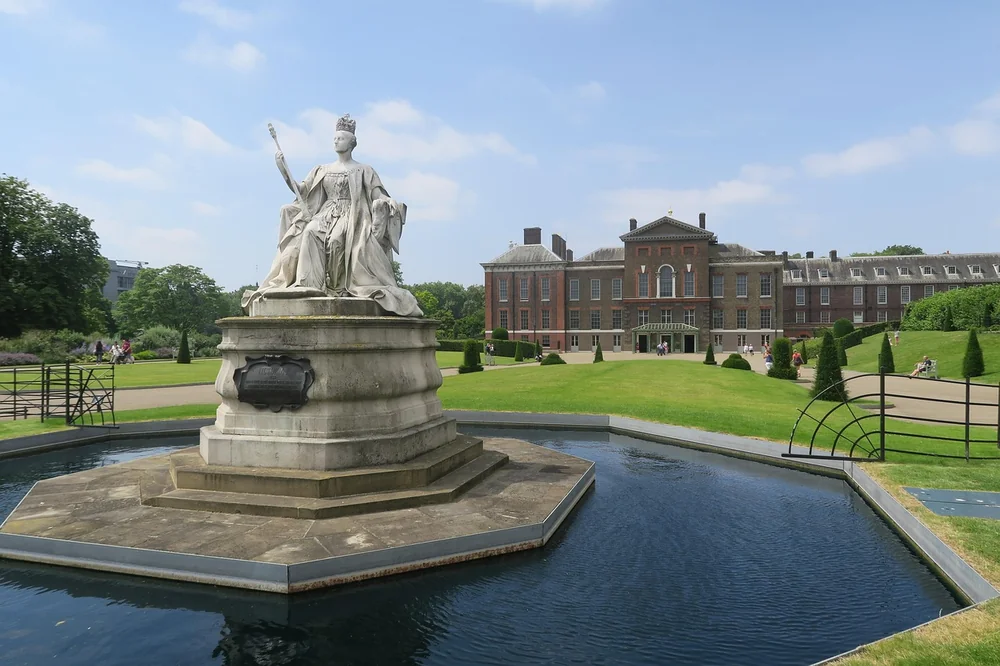
Kensington Palace: The London Home She Endured
As we touched on earlier, the fact that Diana hated London made her choice to stay at Kensington Palace all the more significant. It wasn’t just a royal residence London; it was a home she had to adapt to for the sake of her family. The tension between her private feelings and her public duties is a core part of her story, and her home life at the palace reflects this perfectly.
From Wedding Home to Single Residence
After the fairytale wedding, Diana and Charles moved into Apartments 8 and 9 at Kensington Palace. For many, this would be a dream come true. For Diana, it was the start of navigating life in a very public fishbowl. Yet, she set about making it a true home. She focused her energy on practical, domestic touches that brought warmth to the state apartments, turning them into a welcoming family space rather than just a formal suite of rooms.
The Nursery That Reflected Her Priorities
Perhaps the most telling sign of her dedication to motherhood was how she utilized the space. Diana transformed the entire third storey into a nursery for her sons William and Harry. This was a practical and deeply personal act of Diana home decoration. By giving them a vast, dedicated floor to play and learn, she created a sanctuary for them within a palace known for its grandeur. It was a low-maintenance, child-focused environment that contrasted sharply with the formal rooms below, showing where her true priorities lay.
When her marriage ended in 1992, many wondered if she would finally leave the city entirely. Her dislike for the capital was no secret. However, despite hating London, she kept Kensington Palace as her base until her death. It remained her anchor and a practical home base for her sons. As a Diana post-separation home, it balanced her longing for a quiet, rural life with the reality of raising young princes in the public eye. Kensington Palace evolved from a royal residence into a resilient, welcoming sanctuary, perfectly reflecting her ability to endure while keeping her family at the center of her world.
The Auction: A Rare Personal Letter Goes on Sale
This intimate letter is part of a collection being auctioned in July, offering the public a chance to own a piece of royal history—but raising questions about its provenance. The letter, in which Princess Diana confided that she hated London, was written to a close schoolfriend, Katherine Hanbury. For decades, its contents remained private. Now, it emerges as one of several personal items headed to auction at Gorringe’s in Lewes, East Sussex. The candid confession reveals a side of the princess rarely seen in official portraits, making it a significant piece for collectors and historians alike.
What Is Being Auctioned?
The collection includes a previously unpublished letter from Princess Diana to Katherine Hanbury. In it, Diana expressed her dislike for London, offering a rare glimpse into her personal feelings during her early years. Gorringe’s auction house has not disclosed the expected value or the total number of items in the sale. Collectors and royal enthusiasts alike are watching closely, as such personal correspondence rarely surfaces. This Diana letter auction is expected to draw interest from around the world, given the enduring fascination with her life.
Why Is This Letter Surfacing Now?
The letter’s recent emergence suggests it was kept safe by a private individual for many years. Its release now provides a tangible connection to Diana’s private world, far from the palace’s formal image. For anyone interested in royal memorabilia, this auction at Gorringe’s represents a unique opportunity. The letter’s candid tone reinforces what many have long suspected: despite her public grace, Diana struggled with aspects of her life in the capital. This piece of history offers a direct, unfiltered voice from the past, making the Lewes auction a landmark event for those who appreciate Diana personal items with genuine emotional depth.
Did Diana’s Dislike for London Reflect Deeper Unhappiness?
The candid admission in the letter—coming just two months into her marriage—hints at a broader struggle with her new royal life and the pressures of living in the public eye. Written on royal crested paper from the tranquility of Balmoral Castle, this note provides a rare glimpse into Diana private feelings during what the world assumed was a blissful honeymoon phase. Her simple statement that she hated London reveals a young woman already wrestling with the royal family expectations and the Diana press scrutiny that would follow her every move.
A Honeymoon Phase Cut Short
The timing of the letter is striking. Just two months after the fairy-tale 1981 wedding, the Diana marriage difficulties were already surfacing in her private thoughts. While palaces and royal tours were part of her new life, she confessed to adoring the outdoors and calm seas. This preference for nature over formality directly clashed with the structured, public-facing duties she faced in the capital. The statement that she hated London was not just about traffic or crowds—it was a symbol of the profound Diana royal role dissatisfaction she was experiencing from the very start of her marriage.
The Weight of Royal Duty
Interestingly, despite hating London, Diana made a very practical decision later in life. After her 1992 separation from Charles, she maintained Kensington Palace as her primary base. This choice highlights the constant negotiation between Diana public vs private life. While her private feelings pulled her toward the countryside, her public role and the needs of her children required a stable home within the city. It shows that even when faced with a place she openly disliked, she prioritized duty and family stability over personal preference. This ability to separate her personal distaste from her practical responsibilities remains a fascinating aspect of her complex story.
Frequently Asked Questions
How did Diana decorate her Kensington Palace apartment to make it feel less like London?
Princess Diana filled her private rooms with personal touches that created a cozy, homey atmosphere. She chose soft colors, family photos, and comfortable furnishings to help her escape the formal, public feel of the city. You can try a similar approach by adding warm textiles and sentimental items to your own space.
Did Diana’s dislike for London reflect broader unhappiness with her royal role?
Yes, Diana hated London partly because it symbolized the constraints of royal life. Her feelings about the city were closely tied to her struggle with public scrutiny and lack of privacy. This distinction helps clarify that her discontent was more about her circumstances than the city itself.
Why is this letter being auctioned now, and who is selling it?
The letter is being sold by a private collector who acquired it years ago, and it has now come to auction through a reputable house. Such sales often occur when collections are downsized or when the item’s historical significance gains renewed interest. You can verify authenticity through the auction house’s documentation.