Hidden storage under your bathtub? Yes, it’s possible with a clever DIY drawer. When your bathroom lacks cabinet space, every inch of unused area becomes valuable real estate. One creative solution involves turning the dead space beneath a drop-in tub into a pull-out drawer for toilet paper and other essentials. This approach transforms a forgotten cavity into a functional spot that keeps extra rolls close at hand without cluttering your limited storage.
What Type of Tub Works for This Project?
Before you grab any tools, you need to confirm that your bathtub is a candidate for this kind of modification. The project will not work for freestanding, clawfoot, or alcove tubs. Those styles have finished exteriors or integrated skirts that make removal impractical without damaging the tub itself.
It works for drop-in tubs, which have a finished interior basin and top but no finished sides. A drop-in tub sits inside a framed base, and the surround around it is separate decorative material. Because that skirting is independent from the tub structure, you can remove it without compromising the installation. This is the green light you need to move forward.
If you have a drop-in tub, you have a real opportunity to reclaim unused volume. The surround panels are essentially cosmetic, so altering them does not affect the tub’s function. That makes this one of the more accessible hidden storage projects for an intermediate DIYer.
Where Is the Best Spot for the Drawer?
Once you confirm your tub type, the next question is where exactly to place the drawer. The most spacious storage spot is the dead space behind the tub slope. That area sits between the back of the tub basin and the wall, and it is often completely empty.
Some tub setups may allow low drawers under the tub basin itself. If there is enough clearance between the bottom of the basin and the subfloor, you can fit a shallow drawer there. Others may allow shallow-depth drawers on the plumbed side of the tub, though plumbing lines can limit that option.
Your individual installation determines what is possible. Factors like support beam placement, the height from subfloor to tub, and how much larger the surround is than the tub all affect your available dimensions. Measure carefully and map out the cavity before committing to a design.
What Precautions Are Needed?
This project involves removing part of your bathroom structure, so caution is essential. It is best to consult a professional to ensure plans don’t compromise structural integrity or plumbing code. A bathtub full of water weighs several hundred pounds, and the base must support that load safely.
Whirlpool tubs add complication due to electrical, pump, and jet pipes. Those components take up under-tub real estate and require careful handling. If you have a whirlpool model, factor in the extra complexity before proceeding.
It may be tempting to relocate supports or plumbing to maximize space. Resist that urge unless a qualified contractor approves the changes. Sticking with the existing tub configuration is the safer route for most homeowners. The goal is hidden storage, not a structural headache.
What Hardware Gives a Seamless Look?
The visual finish of your drawer matters as much as its function. Use push-to-open hardware and recess the surround panel to prevent water dripping. Push-to-open mechanisms eliminate the need for visible handles, which keeps the front of the drawer flush with the surrounding panel.
Recessing the panel slightly creates a small gap that channels water away from the drawer face. This detail is important in a bathroom environment where splashes and humidity are constant. Without it, moisture can seep into the drawer and damage your toilet paper supply.
For the drawer slides, choose full-extension models rated for the weight you plan to store. Toilet paper is light, but if you also store cleaning supplies or extra toiletries, the slides need to handle the load. Build wood cabinet supports that hold the slide hardware securely inside the under-tub cavity.
Alternative Hidden Storage Spots in the Bathroom for Toilet Paper
The under-tub drawer is a standout project, but it is not the only option. Here are four other diy toilet paper storage ideas that reclaim overlooked spaces in a typical bathroom.
Behind a False Wall or Decorative Panel
If you have a recessed wall area behind the toilet or beside the vanity, you can frame a shallow cabinet and cover it with a hinged panel. Paint or tile the panel to match the wall so it blends in completely. This works especially well in powder rooms where wall space is limited but the toilet area offers a few inches of clearance.
The key is keeping the depth shallow enough to avoid interfering with the toilet or plumbing. A panel that opens with a magnetic latch keeps the look clean. Store a modest stack of rolls inside, and no one will know they are there.
Inside a Recessed or Oversized Medicine Cabinet
Standard medicine cabinets are shallow, but you can install a deeper model or build a custom recessed cabinet between wall studs. The extra depth allows you to store toilet paper behind the mirror alongside your daily toiletries. This works best during a bathroom renovation when you already have the wall open.
If a recessed cabinet is not possible, consider an oversized surface-mount cabinet that extends farther from the wall. The added volume gives you room for a few rolls on the bottom shelf. It keeps them hidden behind the mirrored door.
Under-Sink Pull-Out Drawer or Rack
The area under a bathroom sink is often a jumble of bottles and cleaning supplies. A pull-out drawer mounted on slides can turn that chaos into organized storage. Build a custom drawer that fits around the plumbing trap, or use a U-shaped cutout to clear the pipes.
This spot works well for toilet paper because the rolls are compact and easy to stack. You can also store extra hand towels and soap in the same drawer. The key is measuring the clearance around the drain pipe before you build anything.
Behind a Toe-Kick Drawer in Your Vanity
The toe-kick space at the base of a vanity is often just dead air. You can install a shallow drawer that pulls out from the bottom front of the cabinet. This spot is low to the ground but perfect for storing backup rolls that you only access when the current roll runs out.
Toe-kick drawers require precision cutting of the existing cabinet base. Use push-to-open hardware here as well so the drawer stays invisible when closed. The drawer depth is limited by the toe-kick height, but it is enough for a single row of toilet paper rolls.
Scaling the Project for Smaller Bathrooms
Not every bathroom has a drop-in tub with generous clearance. If your space is tight, you can scale down the under-tub concept or choose one of the alternative spots listed above. Even a small apartment bathroom has hidden volume if you look for it.
You may also enjoy reading: 13 Grocery Items That Save You Most as Store Brands.
For drop-in tubs with less than six inches of clearance in front, a full drawer may not fit. In that case, consider a shallow tray that slides out manually rather than on hardware. You can also build a narrow drawer on the plumbed side if the pipes leave enough room.
Another scaled approach is to use a removable box instead of a built-in drawer. Build a wooden box that fits the under-tub cavity and simply lift it out when you need supplies. It is less permanent but still keeps your toilet paper out of sight.
Adapting the Under-Tub Drawer for Other Bathroom Supplies
Once you build the drawer, you are not limited to toilet paper. The same cavity can store cleaning products, extra toothbrushes, first-aid items, or backup toiletries. The drawer becomes a general overflow pantry for your bathroom.
Consider adding dividers inside the drawer to separate different categories. One section for toilet paper rolls, another for spray cleaners, and a third for bandages and ointments. This keeps everything organized and easy to find when you need it.
If you build irregularly shaped drawer boxes that accommodate pipes and supports, you maximize every cubic inch. The TikTok project that inspired this approach used custom-shaped boxes that fit around obstacles. That level of optimization takes more time but yields the best use of space.
Addressing Moisture and Water Protection
A drawer under a bathtub lives in a high-humidity environment. Moisture protection is not optional. Use plywood or medium-density fiberboard rated for exterior or marine use. Avoid particle board, which swells and degrades when damp.
Seal all exposed surfaces with a waterproof primer and paint or a clear polyurethane coating. Pay special attention to the edges and corners where moisture can wick into the material. The drawer front, which faces the bathroom, needs the most protection.
Recessing the surround panel, as mentioned earlier, creates a drip edge that directs water away from the drawer gap. You can also add a weatherstrip along the top edge of the drawer to block splashes. These small details prevent mold and keep your toilet paper dry.
Weighing the DIY Effort Against Simpler Storage Hacks
Building a drawer under your tub is not a weekend project for a beginner. It involves demolition, measuring, framing, and finishing work. For some homeowners, the effort is absolutely worth it because it frees up cabinet space permanently.
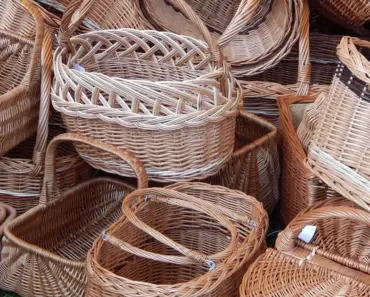
Simpler alternatives exist. A decorative basket on the floor, an over-the-toilet shelf, or a tension rod between the vanity and wall can all hold extra rolls. These options require no construction and cost very little. They just do not reclaim dead space the way a built-in solution does.
If you are an intermediate DIYer comfortable with power tools and problem-solving, the under-tub drawer is a rewarding challenge. If you prefer a quick fix, stick with the basket or shelf. Both approaches solve the same problem of where to keep backup toilet paper within reach.
Frequently Asked Questions
Can I build this under-tub drawer if I live in a rental apartment?
That depends on your lease terms and your relationship with your landlord. Removing the tub surround is a permanent modification that affects the bathroom finish. If you cannot restore the original condition when you move out, this project is not suitable for a rental. A better option for renters is a removable box that sits in the under-tub cavity without altering the surround.
How do I measure the dead space behind the tub slope to design the drawer dimensions?
Remove the surround panel first to expose the cavity. Then measure the height from the subfloor to the underside of the tub basin, the depth from the front edge of the tub to the back wall, and the width between the support beams. Record those numbers and subtract about half an inch from each dimension to allow for the drawer box and slide hardware. This gives you the maximum size your drawer can be.
What tools and materials do I need for a typical under-tub drawer build?
You will need a pry bar and utility knife for removing the surround, a tape measure and level for layout, a circular saw or table saw for cutting wood, a drill and screws for assembly, drawer slides and push-to-open hardware, and moisture-resistant plywood or MDF for the drawer box. You may also need 2-by-4 lumber to build the support frame inside the cavity. Gather these items before you start demo to avoid mid-project trips to the hardware store.
Whether you choose the under-tub drawer or one of the four alternative spots, each of these diy toilet paper storage ideas turns unused space into a functional home for your backup rolls. Pick the approach that matches your skill level and bathroom layout, and enjoy a clutter-free space where everything has its place.