A Summer of Thirst That Changed My Garden Forever
One summer, my gardening ambitions got the better of me. I planted over two dozen tomato bushes in my little patch of France. The harvest was spectacular, but the thirst was relentless. I found myself hauling a watering can twice a day, waking up in a sweat worrying about wilted leaves under the blazing sun.
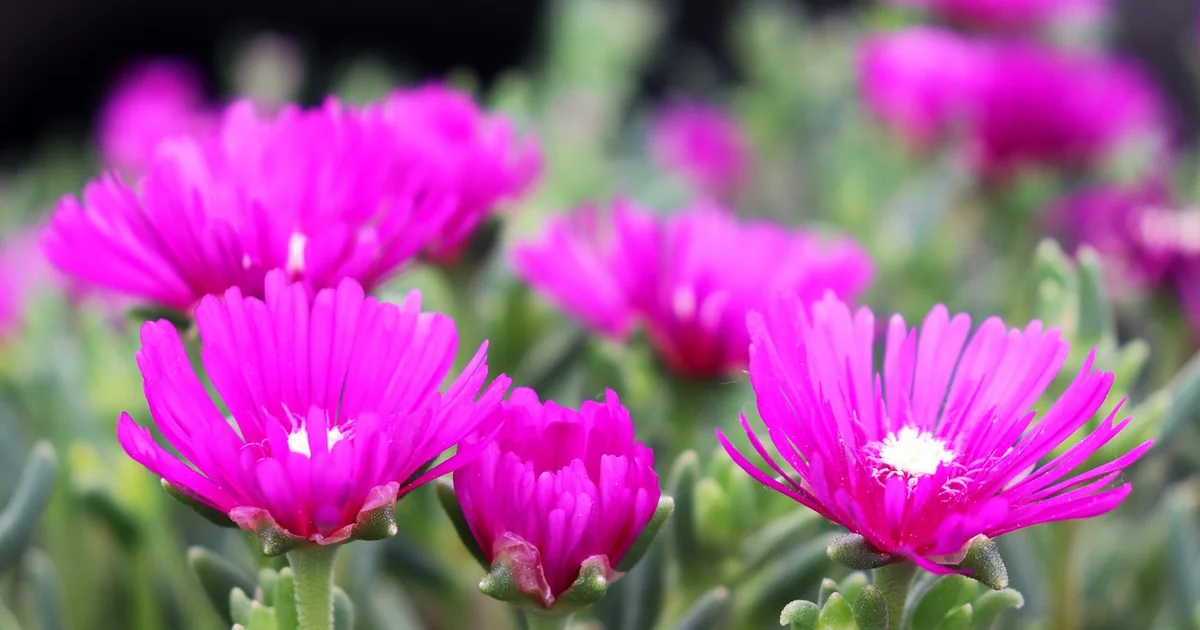
That season taught me a humbling lesson. I learned that many gardeners, myself included, overwater their plants by as much as 80 percent. We create a dependency that leaves both the gardener and the garden exhausted. Since then, I have shifted my focus entirely. I now seek out perennials that give a stunning show without demanding a constant drink. These are plants that, once established, thrive on neglect. Here are five tough, beautiful, and drought tolerant perennials that have completely transformed my dry garden corners into vibrant, low-maintenance sanctuaries.
1. English Lavender: The Fragrant Workhorse
In my view, English lavender has it all. The brilliant purple flowers perched atop soft, gray-green foliage create a shrub-like presence that structures any garden bed beautifully. Its recognizable fragrance fills the air for months, calming you every time you brush past it.
Why It Thrives on Minimal Water
English lavender, particularly the ‘Munstead’ and ‘Hidcote’ varieties, is the most planted lavender species in the world for a reason. It craves full sunshine and sharply draining soil. About 37 percent of lavender plant deaths in home gardens result from overwatering or poor drainage during the first season.
Once its deep root system establishes itself, usually after a few months of consistent weekly watering, it becomes exceptionally self-sufficient. A deep soak once every month is often plenty to keep it blooming abundantly all summer. It thrives on almost any soil, and its blooms attract bees and butterflies into your garden. If you are looking to solve the problem of a dry, sunny slope that needs coverage, English lavender is your answer.
Planting and Establishing Lavender
It is best to buy a young plant from a nursery because lavender is notoriously difficult to grow from seeds. You will need to water it every week for its first season. After that, you can step back and watch it flourish with almost no intervention. The payoff is brilliant purple flowers, lovely fragrance, and pollinator attraction with minimal care.
2. Hummingbird Mint: A Magnet for Wings
Like a great friend, hummingbird mint, also known as Agastache, offers so much and requires so little. This herbaceous perennial is a variety of hyssop, and it is a delight in any garden. Its vivid blossoms range from deep purple (my personal favorite) to blue, orange, white, red, and pink.
A Pollinator Paradise
The foliage carries a minty fragrance, and the leaves and flowers are actually edible. The flowers contain such high levels of nectar that hummingbirds specifically seek them out. Bees, butterflies, and hummingbirds flock to the blossoms like pins to a magnet. At the same time, the plant is naturally resistant to both deer and rabbits. This solves one of the biggest challenges of dry gardens: attracting wildlife while protecting your plants from grazing animals.
Growth and Care
Agastache can grow up to 5 feet tall and spread to 3 feet wide, and it will keep flowering all summer long. Once established, it needs little water. An occasional deep watering will carry it through the hottest and driest months. Compared to my old tomato patch, caring for Agastache feels like a vacation.
3. Yarrow: The Tough Survivor
It is funny how so many drought tolerant perennials attract pollinators, and yarrow is no exception. Its flat-topped flower clusters become landing pads for butterflies and beneficial insects. In the wild, yarrow flowers are typically white, but modern cultivars offer stunning alternatives.
Beyond the Wild White
I installed some cultivars like ‘Paprika’ which are red with yellow centers, and the all-yellow ‘Coronation Gold’ is also gorgeous. The foliage is equally attractive, presenting ferny and aromatic leaves that add texture even when the plant is not in bloom.
Yarrow has a long history of medicinal use, dating back thousands of years. Its scientific name, Achillea millefolium, references Achilles, who reportedly used it to treat wounds in Homer’s Iliad. This plant is tough by nature.
The Secret to Its Resilience
Plant yarrow in full sun with well-draining soil. Interestingly, it grows better in poor soil than rich soil. This makes it perfect for neglected or rocky areas where other perennials struggle. It requires no fertilizer at all. Once the plant has set up its root system, it is extremely drought-tolerant and low-maintenance.
You may also enjoy reading: How to Remove Towel Bar (Even There Are No Screws) 5 Ways.
4. Tickseed: A River of Sunshine
I just do not like the common name “tickseed.” It does not do the amazing Coreopsis plant justice. This perennial produces daisy-like flowers in bright colors such as yellow, red, orange, pink, and violet. The blossoms are small but so numerous that the plant looks like a living bouquet from early summer to frost.
Unstoppable Bloom Power
The name “Coreopsis” comes from the Greek words “koris” (meaning bug) and “opsis” (meaning view), referring to the seed’s resemblance to a tick. Modern hybrids like ‘Moonbeam’ and ‘Zagreb’ are garden superstars. They are compact, floriferous, and incredibly reliable.
Tickseed attracts bees, butterflies, and small birds that come to feast on the seeds in the fall. It is also deer-resistant, which saves you from constant worry. It tolerates various conditions, including heat, humidity, and drought. It is one of the toughest plants I know, ideal for filling sunny borders with effortless cheer.
Maintenance Tips
Tickseed rewards you with a long bloom season. While it can tolerate dry spells, giving it an occasional drink during extended droughts will keep the flowers coming. You can deadhead spent blooms to encourage even more flowers, but leaving some seeds provides winter food for birds. This plant solves the problem of maintaining color in a dry garden without constant watering.
5. Russian Sage: Wispy Elegance
Russian Sage, known botanically as Perovskia atriplicifolia, is a woody perennial that brings an airy, elegant texture to the garden. Its wispy spikes of lavender-blue flowers rise above silvery, finely cut foliage. Although it is called “sage,” it is actually a member of the mint family.
Award-Winning Performance
This plant was named the Perennial Plant of the Year in 1995 by the Perennial Plant Association. This award recognizes plants that are outstanding for performance, low maintenance, pest resistance, and adaptability. Russian Sage ticks every box. It thrives in full sun and tolerates heat, humidity, and extremely poor soil.
Resilience in Dry Conditions
This plant is substantially more drought-tolerant than many other perennials. Once established, you can practically ignore it. It adds height and movement to the garden without demanding extra water. It is a perfect choice for creating a romantic, low-water landscape that sways beautifully in the breeze.
Moving away from water-hungry annuals like my two dozen tomatoes was a turning point for my garden. These five perennials proved that beauty and resilience can go hand in hand. They solved my constant worry about irrigation and gave me back my summer evenings. If you have a dry, sunny spot that needs filling, these tough plants are ready to perform without a fuss.