As the world celebrates another Earth Day, it’s essential to involve the next generation in the efforts to protect our planet. Sharing the history and significance of Earth Day with your children can be a great learning opportunity for them. But, it’s not just about educating them; it’s also about instilling a sense of responsibility and encouraging them to take action. One way to do this is by engaging in fun and easy Earth Day activities that promote environmental awareness and conservation.
From planting trees to conserving water and energy, there are numerous ways to get involved and make a positive impact on the environment. Here are ten easy Earth Day activities that kids and adults can participate in, along with some helpful tips and facts to make them more effective.
1. Plant A Garden
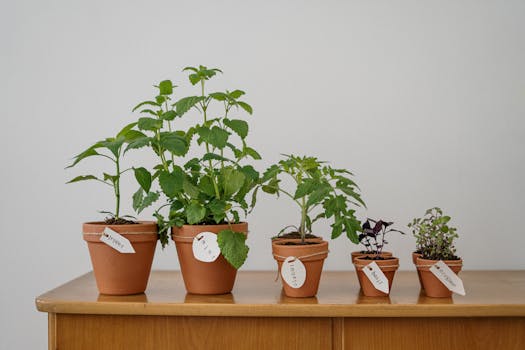
Don’t worry, it doesn’t have to take up a lot of room or be a lot of work. If you don’t have a yard, just plant a container garden. Even one pot with one tomato plant or herb is a great way to let kids see that we can grow our own foods and get a feel for organic gardening. Stonyfield Organic Kids plant-based cups make great seed starters!
Planting a garden is an excellent way to teach kids about the importance of sustainable food systems and the benefits of growing their own fruits and vegetables. It’s also a great opportunity to learn about different types of plants, soil, and composting. To make it more engaging, you can involve your kids in the process of selecting the plants, preparing the soil, and watering the garden.
Amazon US Verified
Digital 3-in-1 Soil Moisture & pH Meter
Accurate probe to test deep root zone moisture and prevent accidental overwatering.
2. Plant A Tree
Planting trees is an essential way to increase oxygen and help prevent global warming by reducing levels of carbon dioxide, a greenhouse gas. It’s also a great activity to get younger kids involved in a fun, hands-on way. If you have room in your yard, consider planting a fruit or nut-bearing tree. That will be an extra fun element for kids as they get to harvest the fruits of their labor in the future.
Did you know that trees are responsible for producing oxygen and absorbing carbon dioxide? One mature tree can absorb up to 48 pounds of carbon dioxide per year. By planting trees, we can help reduce the amount of greenhouse gases in the atmosphere and mitigate the effects of climate change.
3. Earth Day Crafts
You can challenge older kids to create a craft using items that they would otherwise throw away or recycle. It will be fun to see how their crafty little minds think of unusual ways to upcycle. If you have younger children, you might provide them with an Earth Day craft ready to go, such as homemade finger paints and a stack of papers that have already been used on one side that you no longer need.
Earth Day crafts are an excellent way to encourage creativity and resourcefulness. You can use recycled materials such as paper towel rolls, egg cartons, and plastic bottles to create unique and eco-friendly crafts. For example, you can turn plastic bottles into bird feeders or planters for small plants.
4. Conserve Water And Energy
Talk to your family members about how their everyday choices add up. Teach them how they can help conserve water by turning off the faucet while they brush their teeth. Teach them how they can help conserve energy by turning off lights that they are not using. Give them some fun Earth Day stickers every time they notice a light that needs turning off!
Conserving water and energy is essential for reducing our carbon footprint and protecting the environment. Simple actions such as turning off the faucet while brushing teeth or taking shorter showers can make a significant difference. You can also teach your kids about the importance of using energy-efficient appliances and turning off lights when not in use.
5. Keep Clothes Out Of Landfills
Many local schools have clothing banks where parents can donate gently used clothing. You can also consider hosting a clothing drive in your community to collect gently used clothing and donate it to those in need. This is a great way to teach kids about the importance of reducing waste and giving back to the community.
Did you know that the average American generates about 82 pounds of textile waste per year? By donating gently used clothing, we can help reduce the amount of waste in landfills and extend the life of clothing. You can also teach your kids about the importance of repairing and repurposing clothing instead of throwing it away.
6. Create A Compost Bin
You can create a compost bin using a wooden pallet or a plastic bin. Add food scraps, leaves, and other organic materials to the bin and let it decompose. This is a great way to teach kids about the importance of reducing waste and creating nutrient-rich soil for plants.
Amazon US Verified
Organic Perlite Horticultural Soil Conditioner
Lightweight volcanic mineral that improves root aeration and prevents compaction.
Did you know that composting can reduce the amount of waste sent to landfills by up to 30%? By creating a compost bin, you can help reduce the amount of waste and create a nutrient-rich soil for plants. You can also teach your kids about the importance of adding compost to soil to improve its fertility and structure.
You may also enjoy reading: 7 Essential Summer Vibes Every 90s Summer Mom Needs to Bring Back for Their Kid's Perfect….
7. Make A Bird Feeder
You can make a bird feeder using peanut butter, seeds, and a pinecone. Spread peanut butter on the pinecone, roll it in seeds, and hang it from a tree. This is a great way to teach kids about the importance of attracting birds and other wildlife to your yard.
Did you know that birds play a crucial role in pollination and seed dispersal? By making a bird feeder, you can help attract birds to your yard and provide them with a source of food. You can also teach your kids about the importance of creating a bird-friendly environment by planting native plants and providing a source of water.
8. Go On A Nature Walk
Take your kids on a nature walk and encourage them to observe the different types of plants, animals, and insects in your area. This is a great way to teach kids about the importance of appreciating and respecting nature.
Did you know that nature walks can help reduce stress and improve mental health? By taking your kids on a nature walk, you can help them develop a sense of wonder and appreciation for the natural world. You can also teach them about the importance of preserving natural habitats and protecting endangered species.
9. Learn About Renewable Energy
You can learn about renewable energy sources such as solar and wind power. Teach your kids about the importance of reducing our reliance on fossil fuels and transitioning to cleaner energy sources.
Did you know that renewable energy sources can reduce greenhouse gas emissions by up to 80%? By learning about renewable energy, you can help your kids understand the importance of reducing our carbon footprint and transitioning to cleaner energy sources. You can also teach them about the different types of renewable energy sources and how they can be implemented in our daily lives.
10. Reduce, Reuse, Recycle
Teach your kids about the importance of reducing, reusing, and recycling. Encourage them to reduce their consumption, reuse items whenever possible, and recycle as much as they can.
Did you know that reducing, reusing, and recycling can reduce waste by up to 90%? By teaching your kids about the importance of reducing, reusing, and recycling, you can help them develop good habits and reduce their impact on the environment. You can also teach them about the different types of materials that can be recycled and how to properly dispose of hazardous waste.
By engaging in these Earth Day activities, you can help your kids develop a sense of responsibility and appreciation for the environment. Remember, every small action counts, and collective efforts can make a significant difference in protecting our planet.
As an Amazon Associate, azuloz.com earns from qualifying purchases.